The Best Haute Couture Week AW26 Collections: Chanel, Balenciaga, Schiaparelli and More
Haute Moves
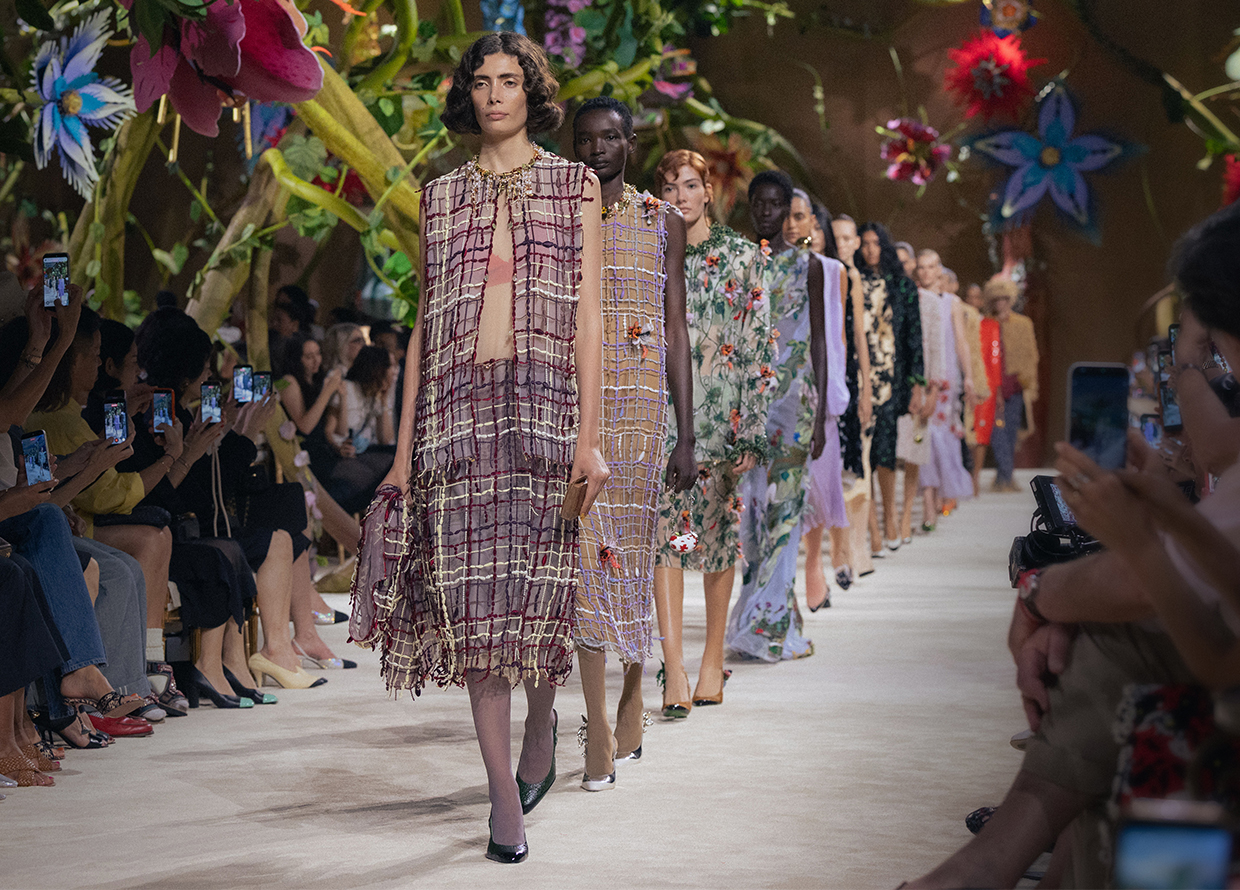

Couture may be built on a long tradition, but it has never been afraid to evolve. This season in Paris, designers looked beyond the expected—reshaping silhouettes, exploring unconventional materials and drawing inspiration from art, history and personal memories. Here are six collections that defined the latest chapter of haute couture.
Schiaparelli
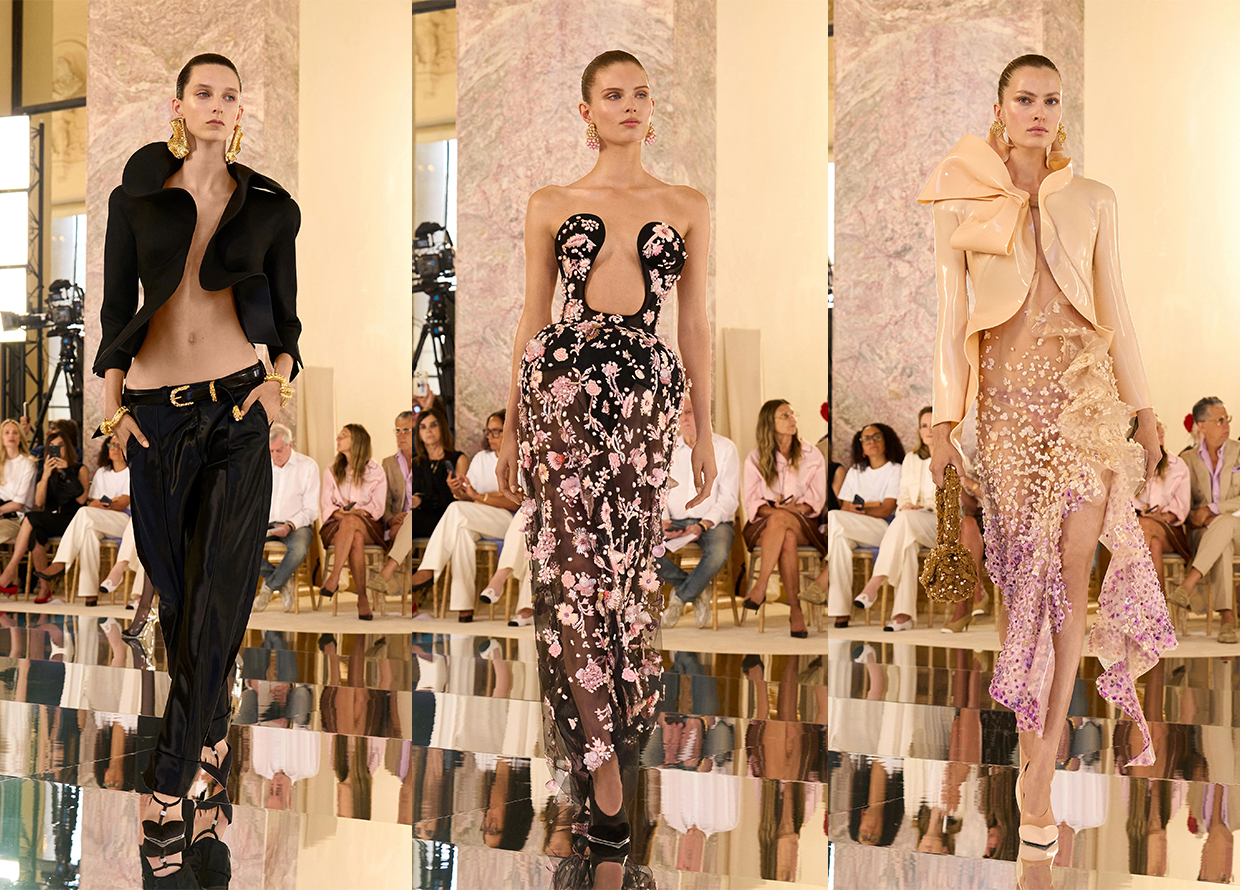
At Schiaparelli, the most unexpected element was not the silhouettes, but the materials. Daniel Roseberry replaced couture’s familiar vocabulary of silk, satin and wool with latex, silicone and painted synthetic surfaces, challenging long-held ideas of what constitutes luxury. Yet the collection never felt industrial. Sculpted bustiers, intricate floral constructions and architectural forms all carried the unmistakable precision and handwork of the atelier. The tension between the organic and synthetic extended into the palette, where botanical and aquatic hues met Schiaparelli’s signature black, ecru and gold. It was this contrast that embodied Roseberry’s vision—finding beauty in contradiction.
Dior
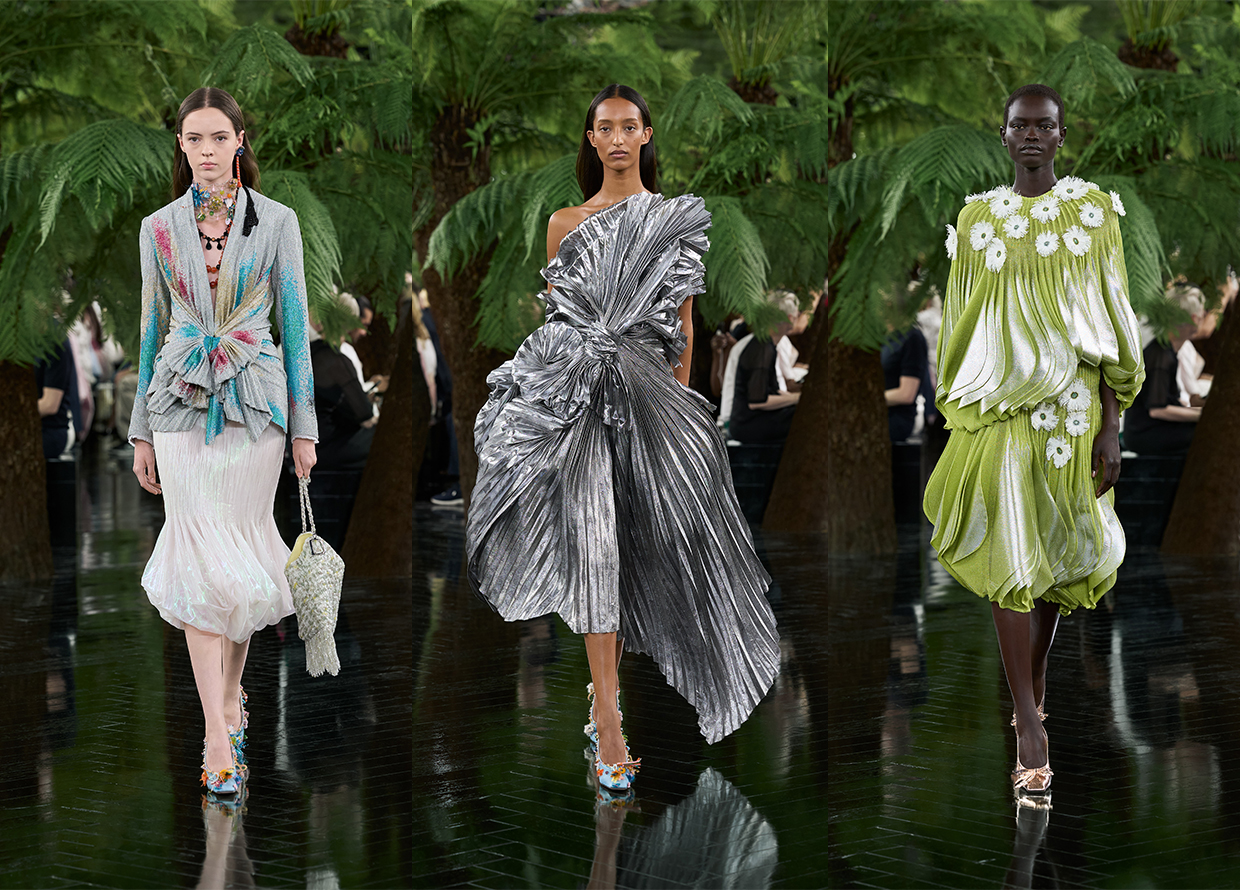
Jonathan Anderson’s second couture collection for Dior was less an homage to Lynda Benglis than a conversation with her way of thinking. Like the artist’s sculptures, the clothes were born from manipulation—fabrics folded, twisted and shaped until they became something entirely new. Organic drapes, exaggerated bows and intricate pleating brought movement to the silhouettes, while metallic fabrics and silver netting echoed Benglis’s fascination with unexpected materials and the tension between industrial and organic forms. References to Ahmedabad, from the artist’s Peacock series to antique chintz, introduced another layer of history and craft.
Chanel
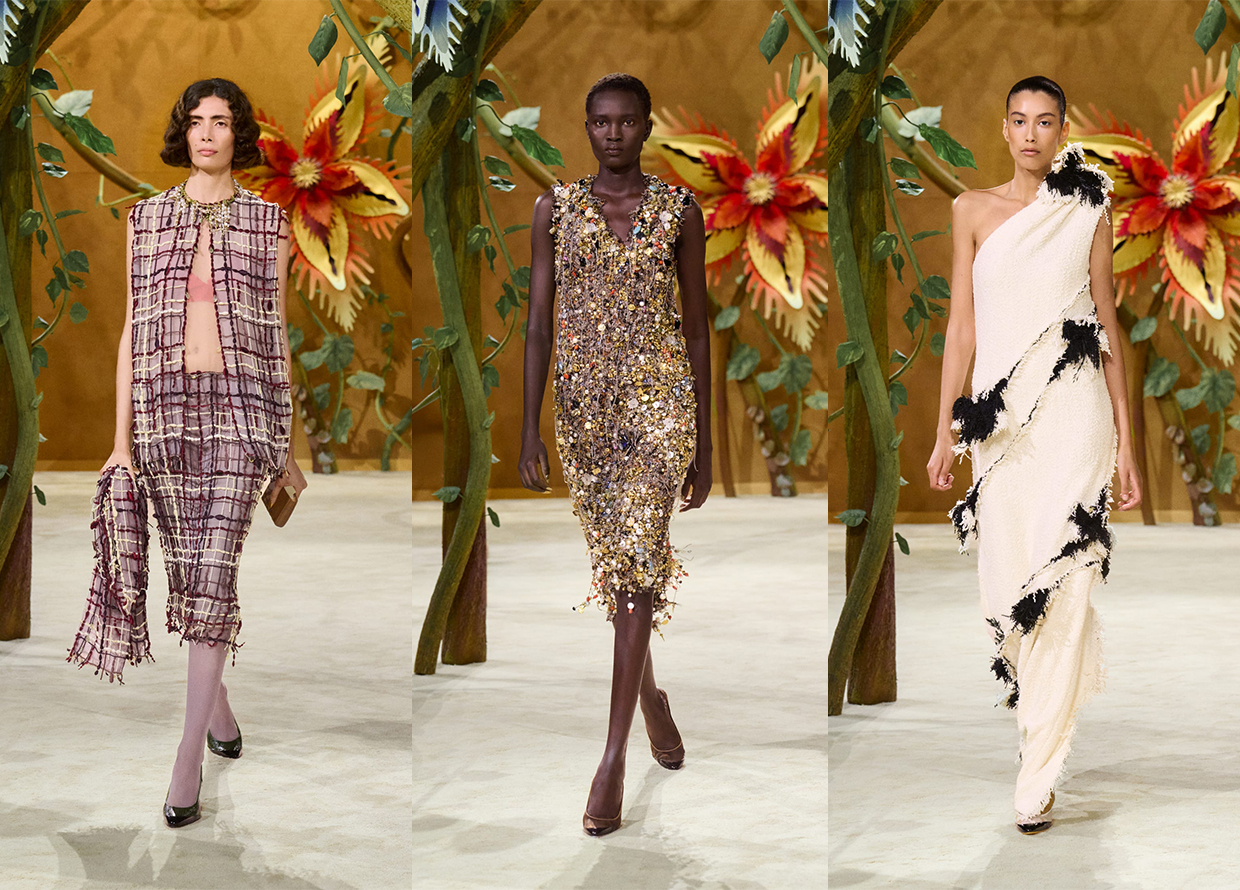
Matthieu Blazy’s latest presentation for Chanel explored the idea that fantasy could exist alongside the realities of everyday life. Inspired by ‘Les Fées, Contes des Contes’, a storybook from Gabrielle Chanel’s apartment library, the designs scattered moments of whimsy throughout: creeping vines, animal-shaped minaudières and buttons that transformed from duckling to swan. The magic never tipped into costume. Instead, it became woven into the garments, with painted linings, hidden charms and secret notes turning their interiors into private worlds. It was a reminder that couture’s greatest luxury is often the one that remains unseen.
Giorgio Armani
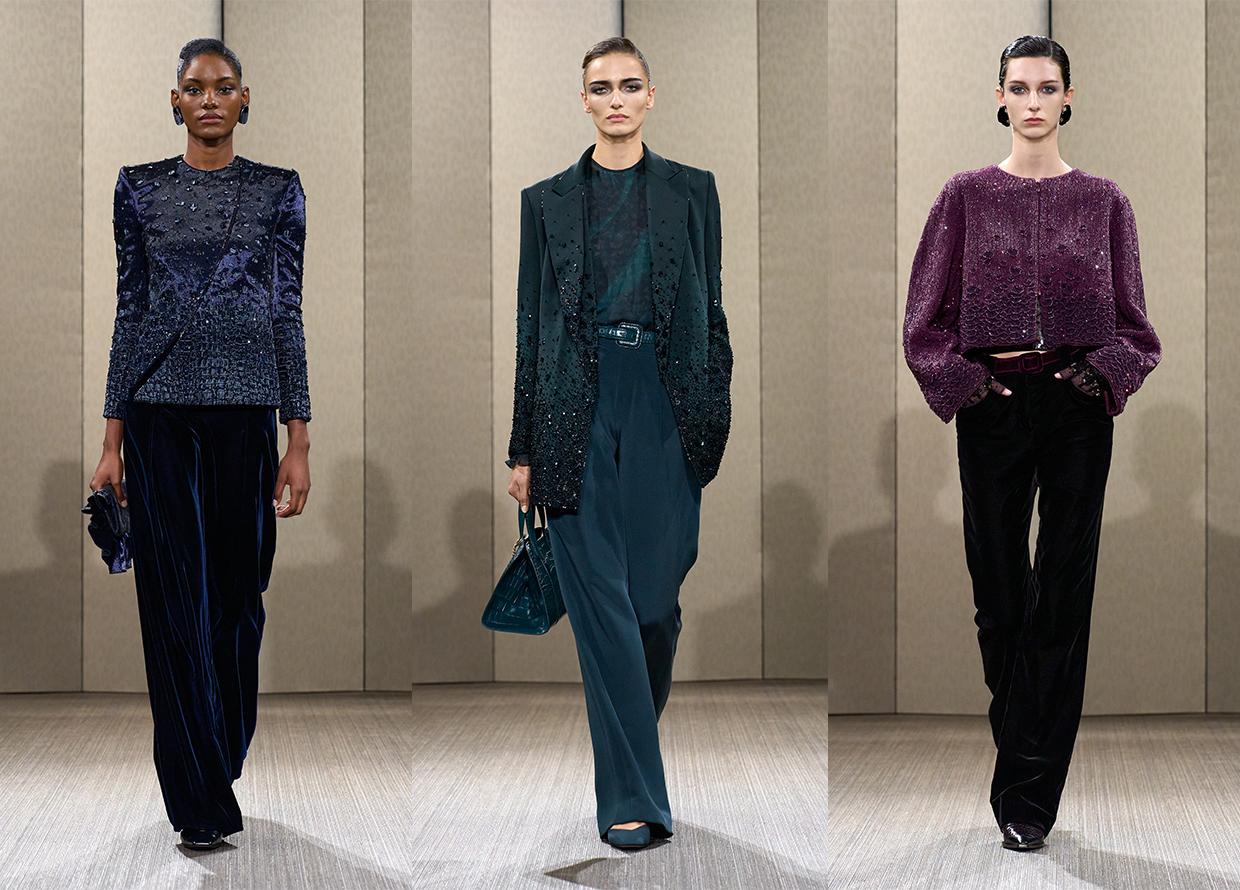
There was no grand reveal at Giorgio Armani Privé, only the pleasure of looking closer. Silvana Armani built the collection around the intimate ritual of getting dressed, where choices are made in private rather than for an audience. That sense of discretion ran through every look, from disciplined tailoring to statuesque evening gowns that shimmered only in motion. Even the palette resisted certainty, with apparent blacks revealing rich undertones of green, burgundy and blue. Animal motifs emerged as fleeting impressions rather than declarations, while crystals embroidery caught the light without overwhelming the quiet elegance of the silhouettes.
Balenciaga
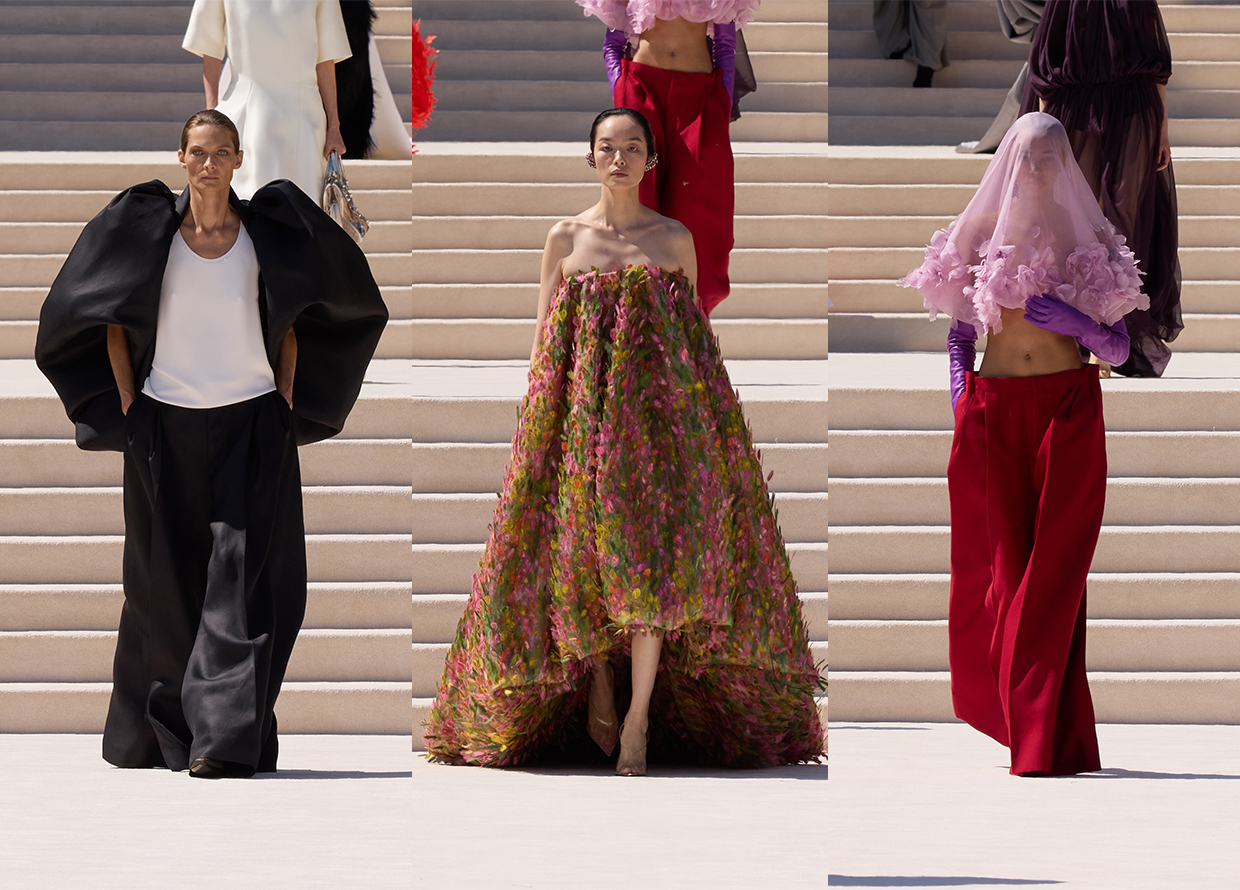
Pierpaolo Piccioli’s first couture collection for Balenciaga was not about recreating the past, but reconsidering what made the House so influential in the first place. Returning to Cristóbal Balenciaga’s fascination with the architecture of the body, the designer explored how silhouette, structure and craftsmanship could be pushed into new territory.
Digitally scanned forms informed a series of cashmere coats and dresses, where hidden leather structures created improbable lightness. Sculptural feather pieces created with Philip Treacy challenged the distinction between accessory and attire, while the introduction of AmSilk brought material science into conversation with couture craftsmanship, revealing new directions for the House.
Manish Malhotra
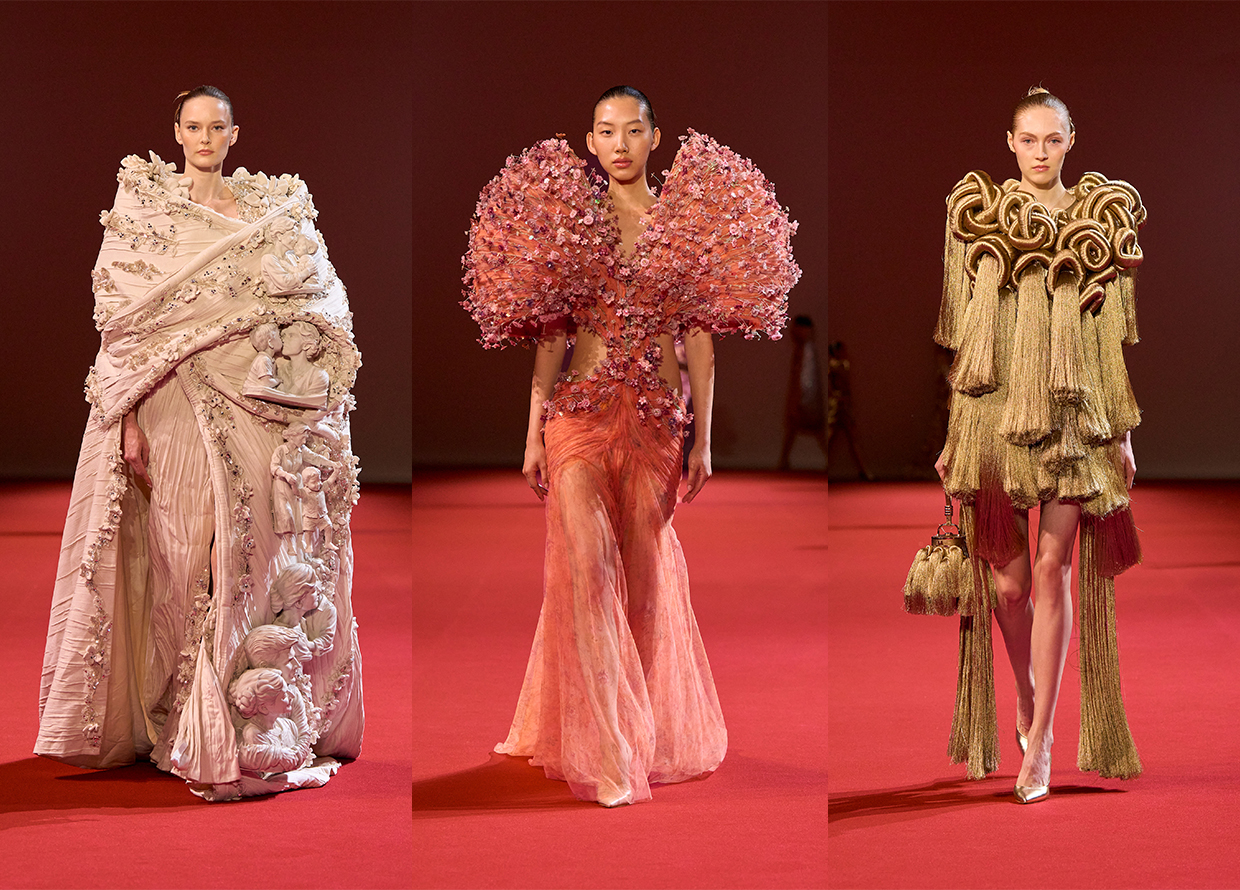
For his haute couture debut, Manish Malhotra turned the runway into an archive of memory. ‘Maa’ unfolded as a portrait of his mother, expressed through four chapters that moved from protective sculptural forms to fluid, richly embellished creations. Traditional Indian techniques—vintage salli, zardozi and hand embroidery—found new expression across sweeping gowns and architectural tailoring, while blush and rose hues added a quiet intimacy to the collection. Extending the narrative into high jewellery, Malhotra treated precious stones as vessels for memory, blurring the line between adornment and inheritance.
For more fashion stories, click here.
| SHARE THE STORY | |
| Explore More |