Experience The Art of Tea and Sound with Shaman Tearoom
Sound and stillness
Modern life rarely allows us to stop. Between work deadlines, social commitments, and the constant stream of notifications, many people have forgotten what it feels like to be truly rested.
But rest isn’t just about sleeping more or taking a holiday, but also about creating space for the mind to settle and the spirit to reconnect. That’s the philosophy behind Shaman Tearoom, a unique multidisciplinary collective where tea is more than just a drink.
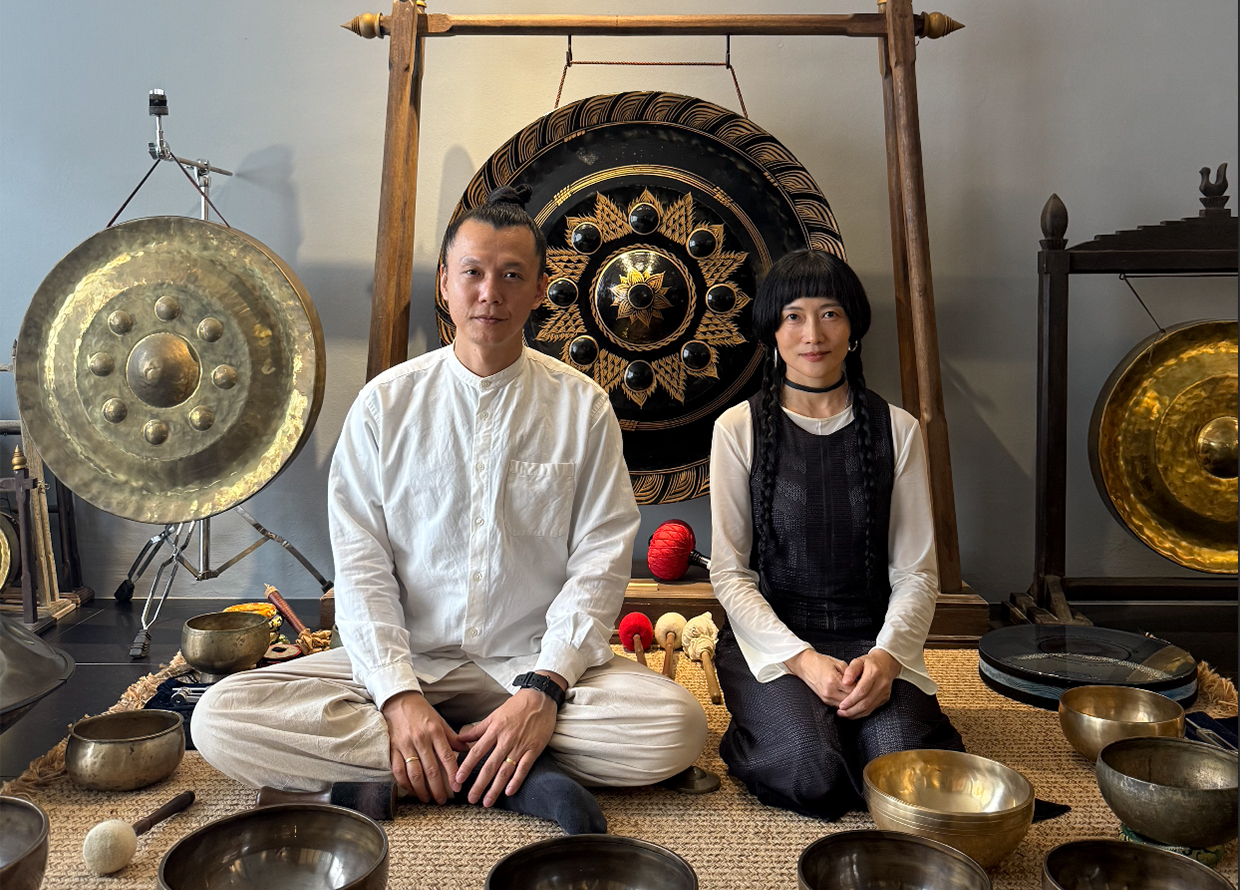
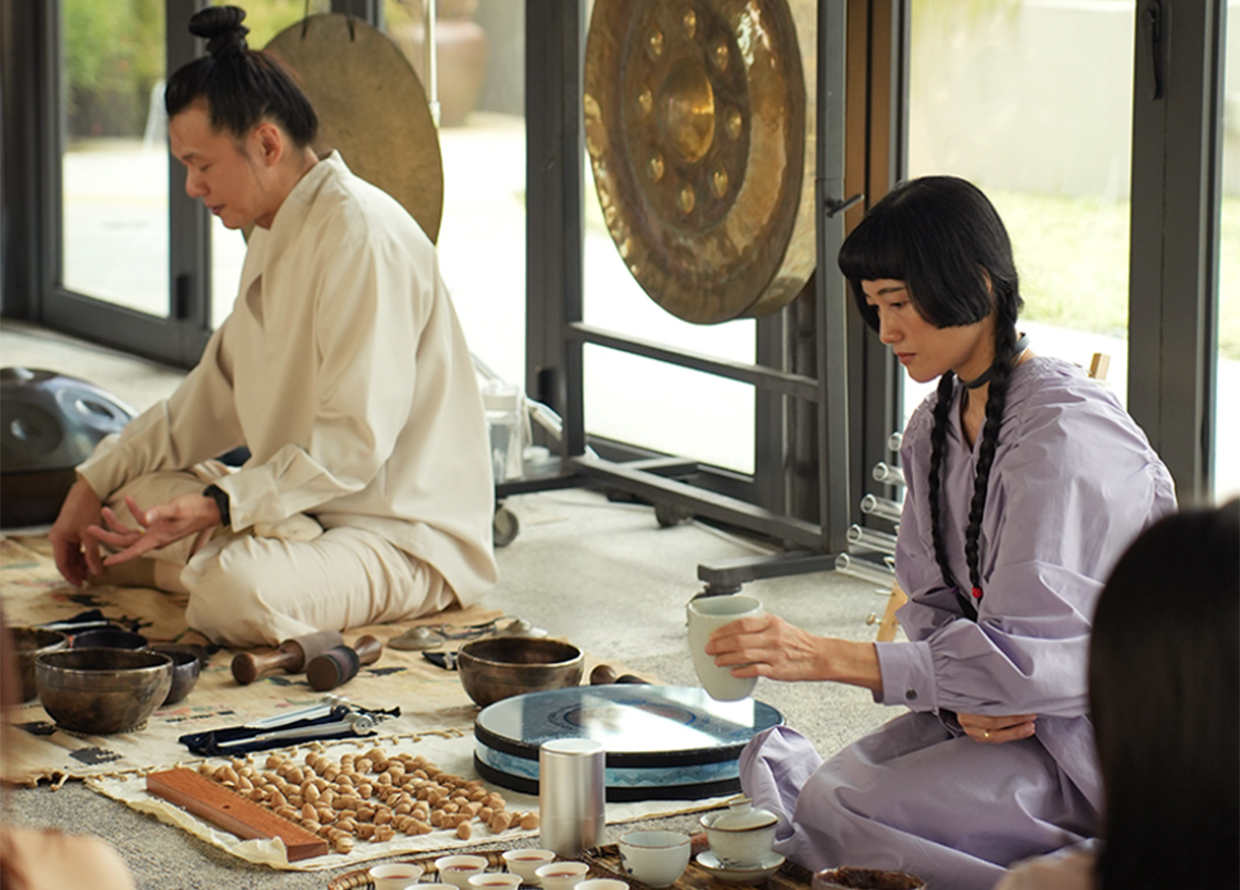
Combining traditional tea rituals with the therapeutic qualities of sound healing and contemporary art into a sensorial experience, Shaman Tearoom encourages mindfulness, reflection, and inner calm. Through their unique musical and artistic lens, every session invites guests to slow their breathing, quiet the noise of everyday life, and rediscover the simple act of being present.
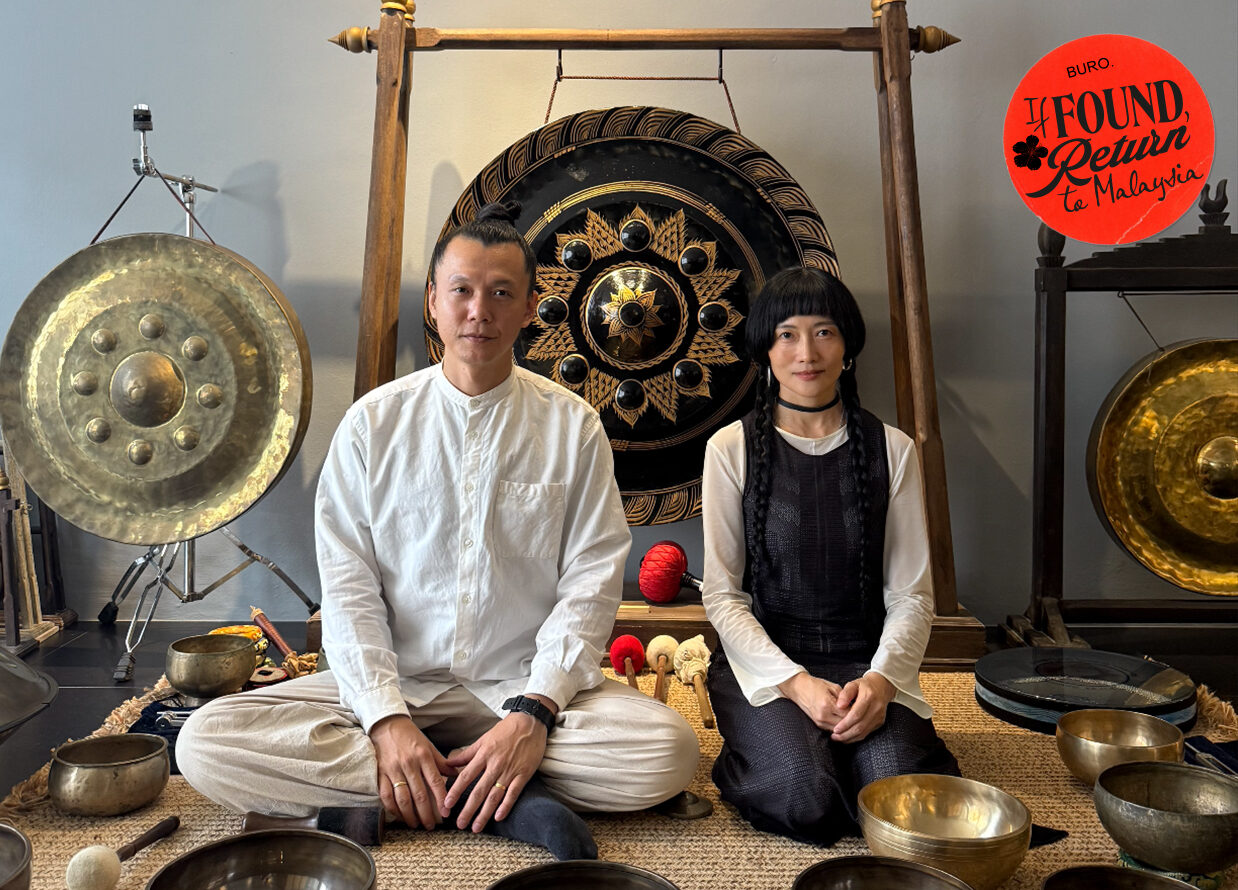
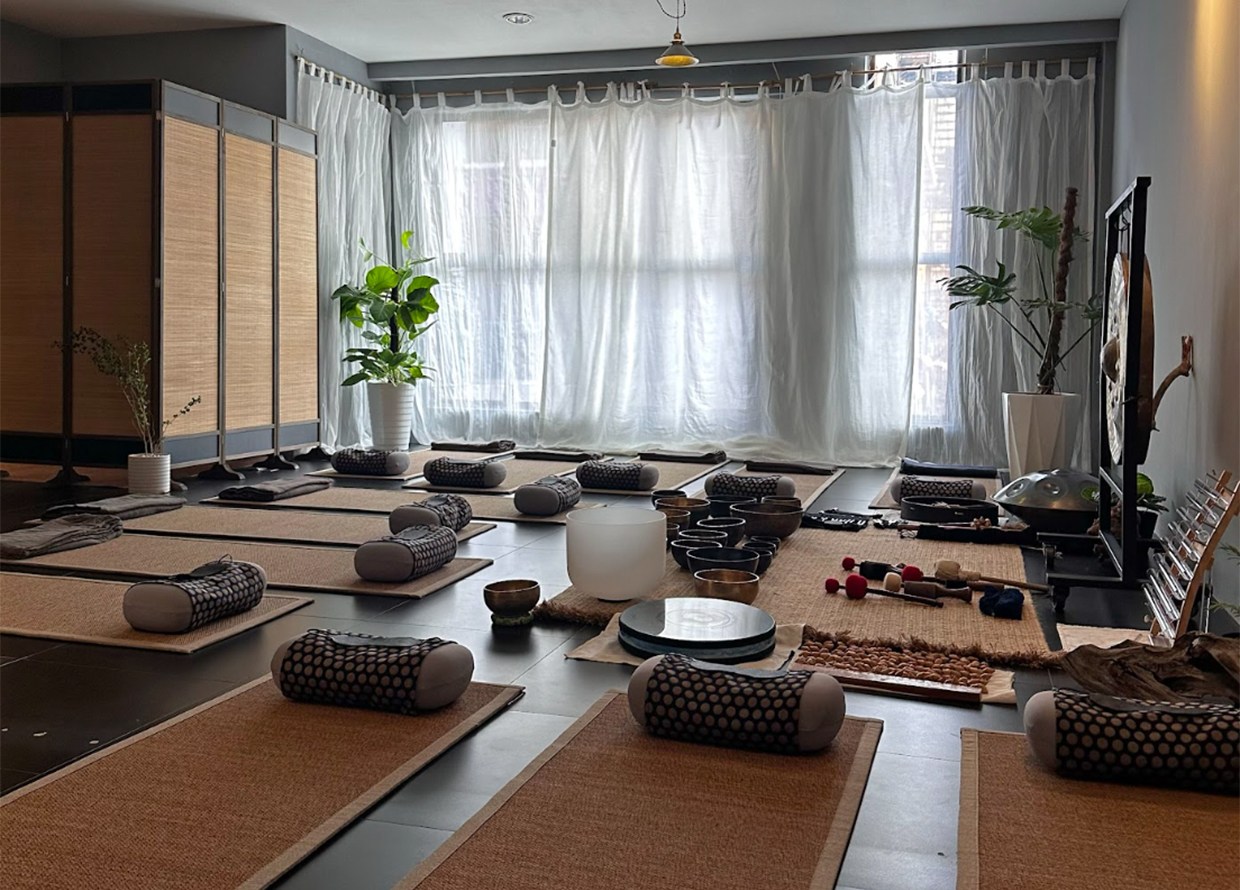
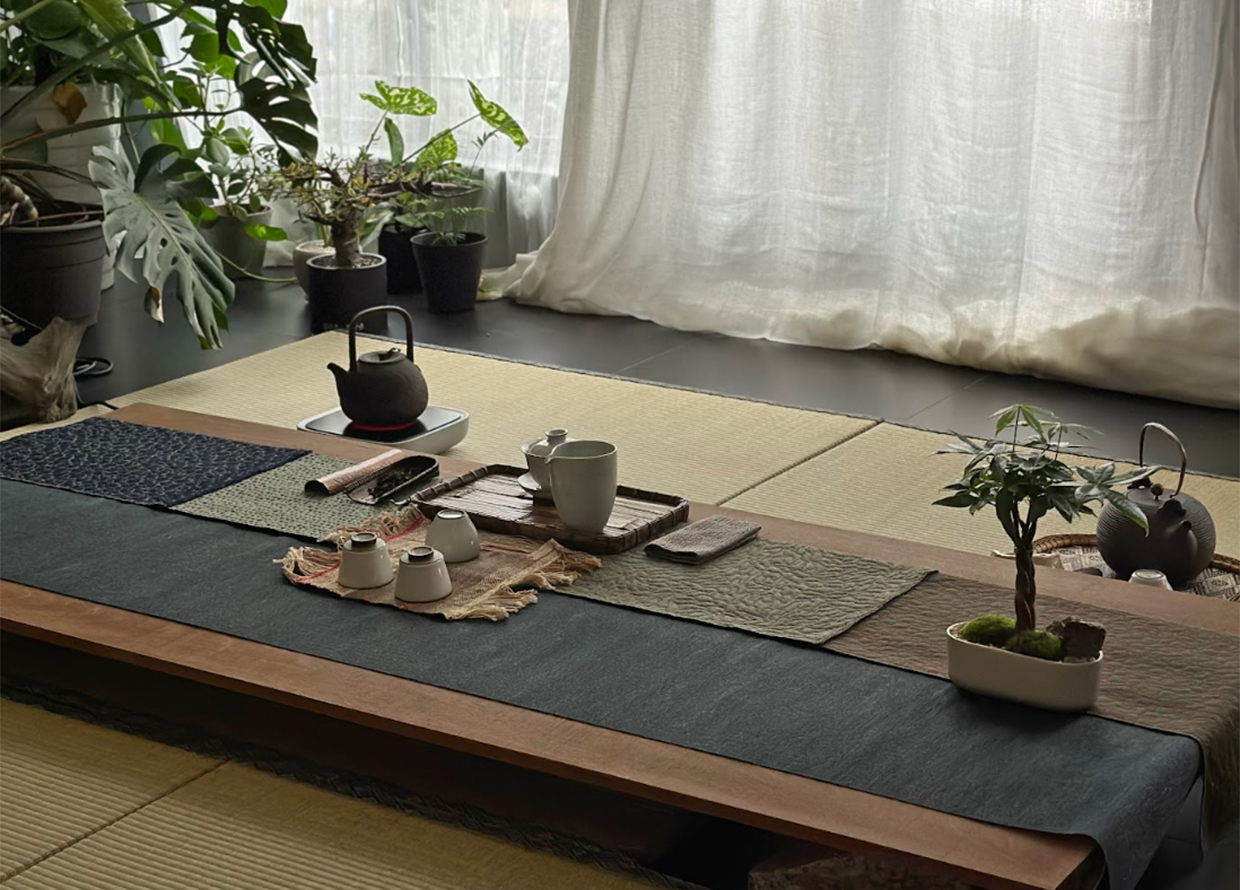
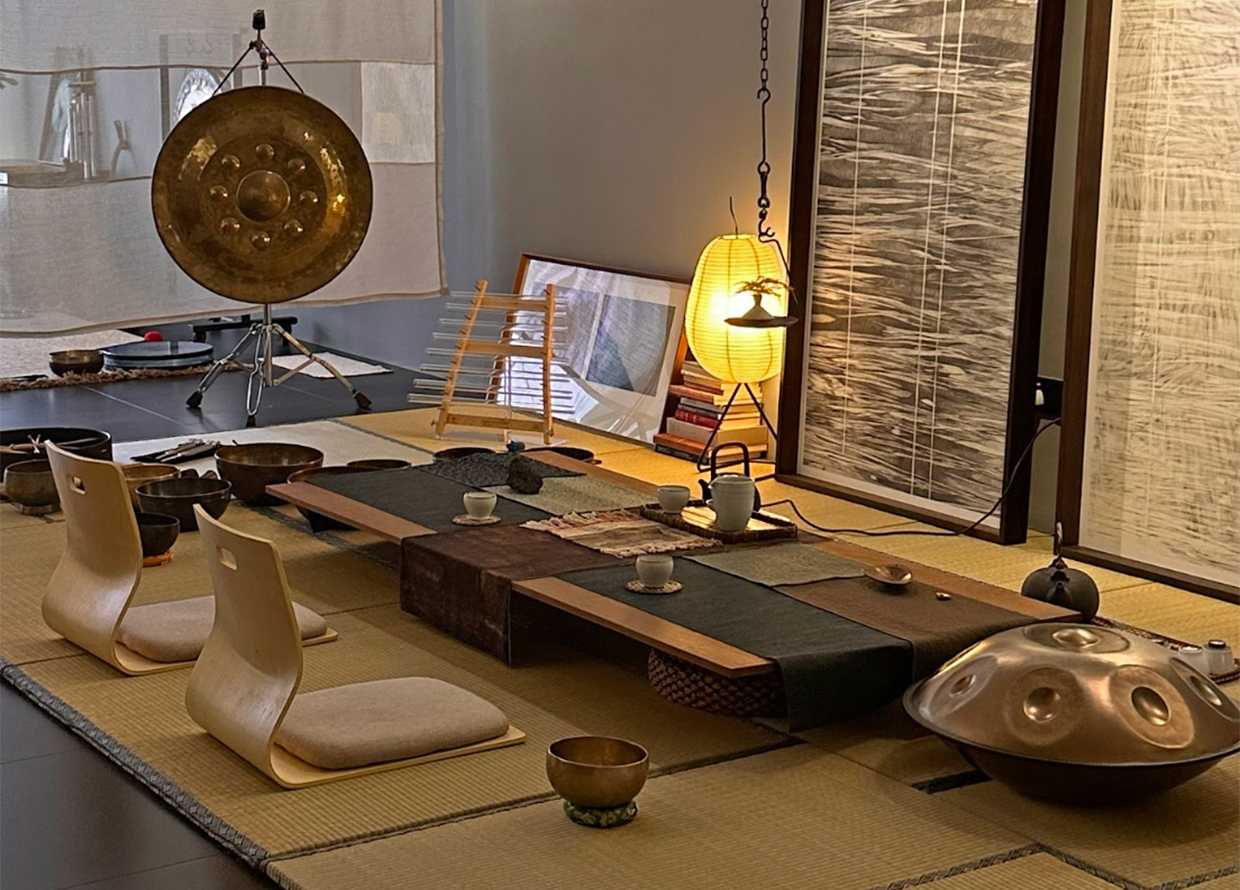
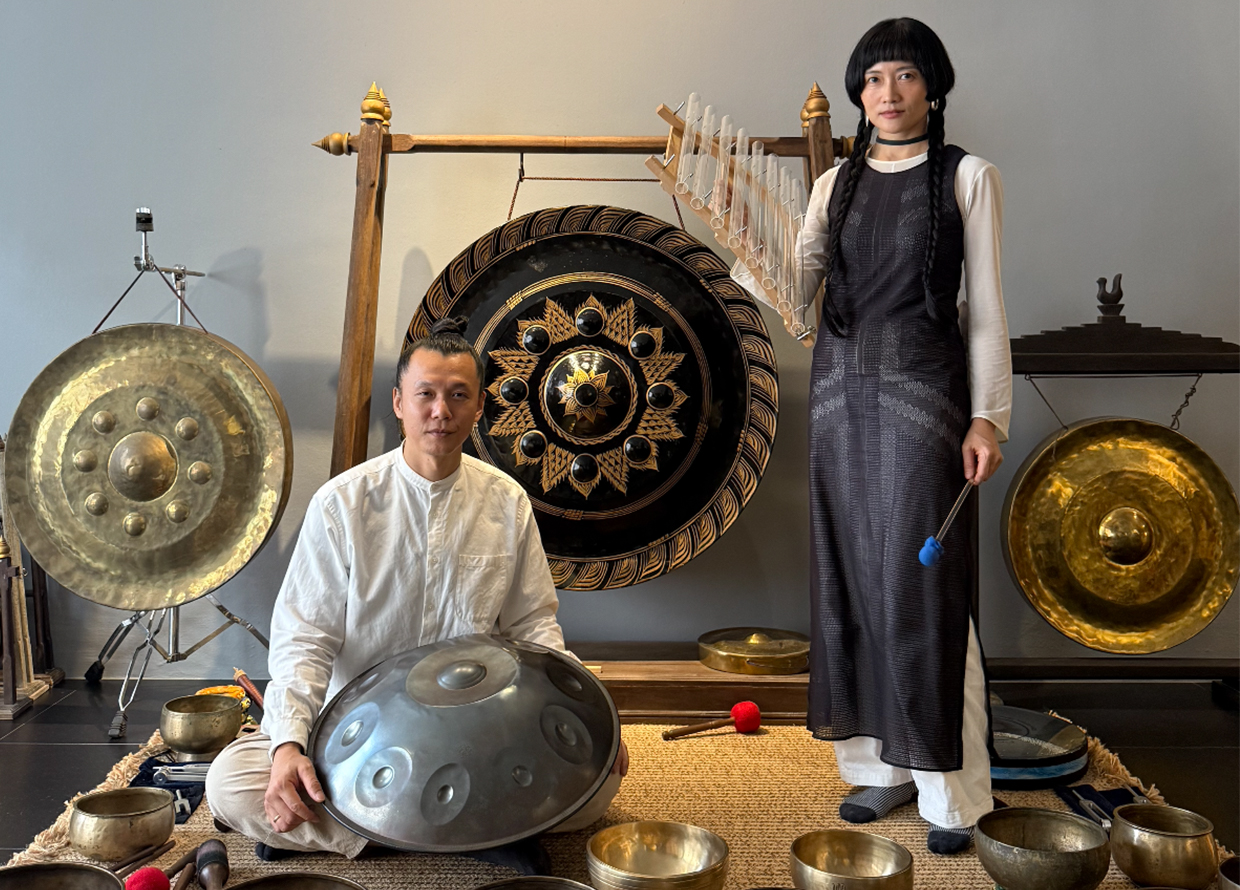
Tucked inside a serene studio characterised by monochromatic artworks, traditional instruments, and swathes of warm sunlight, this artistic partnership led by Aiwei Foo and Kent Lee allows guests to pause, breathe, and experience a sense of calm that’s increasingly hard to come by.
Ahead, we speak to Foo and Lee to learn more about their purpose with Shaman Tearoom, the art of being still, and the transformative power of tea.
HOW DID YOU BOTH FIRST MEET?
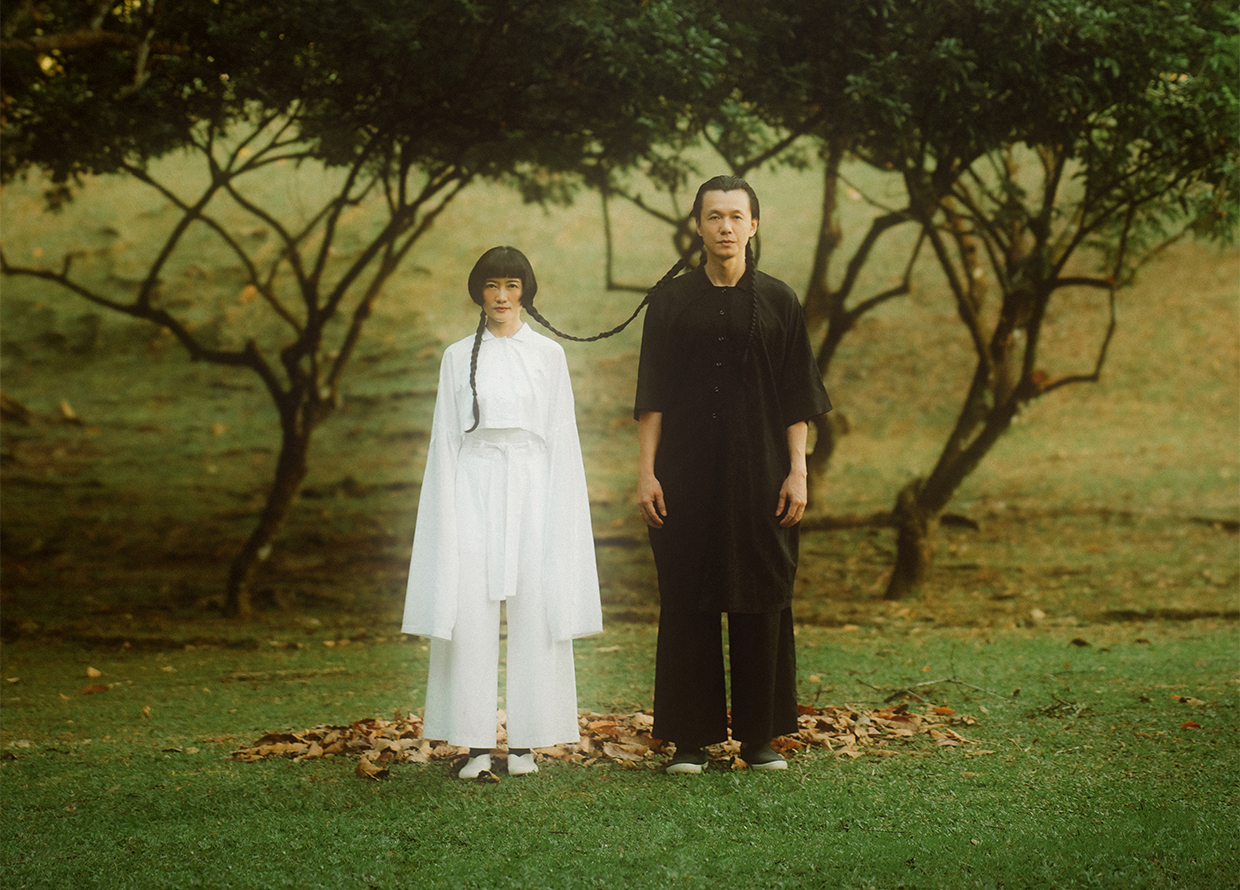
Aiwei Foo (AF): We have known each other since 2013. Back then, I was still working in Singapore. It wasn’t until 2019, when I came back to Malaysia and wanted to explore the art scene here, that we reconnected. While in Singapore, I had a project where I was hosting guerrilla tearooms around different pockets of public spaces.
I was using tea as a medium to explore my artistic expression and love of performance. I wanted to bring this back to Malaysia, and I knew Kent is a musician, so I was looking for a collaborator. We started our first session in Zhongshan Building in 2019, right before COVID.
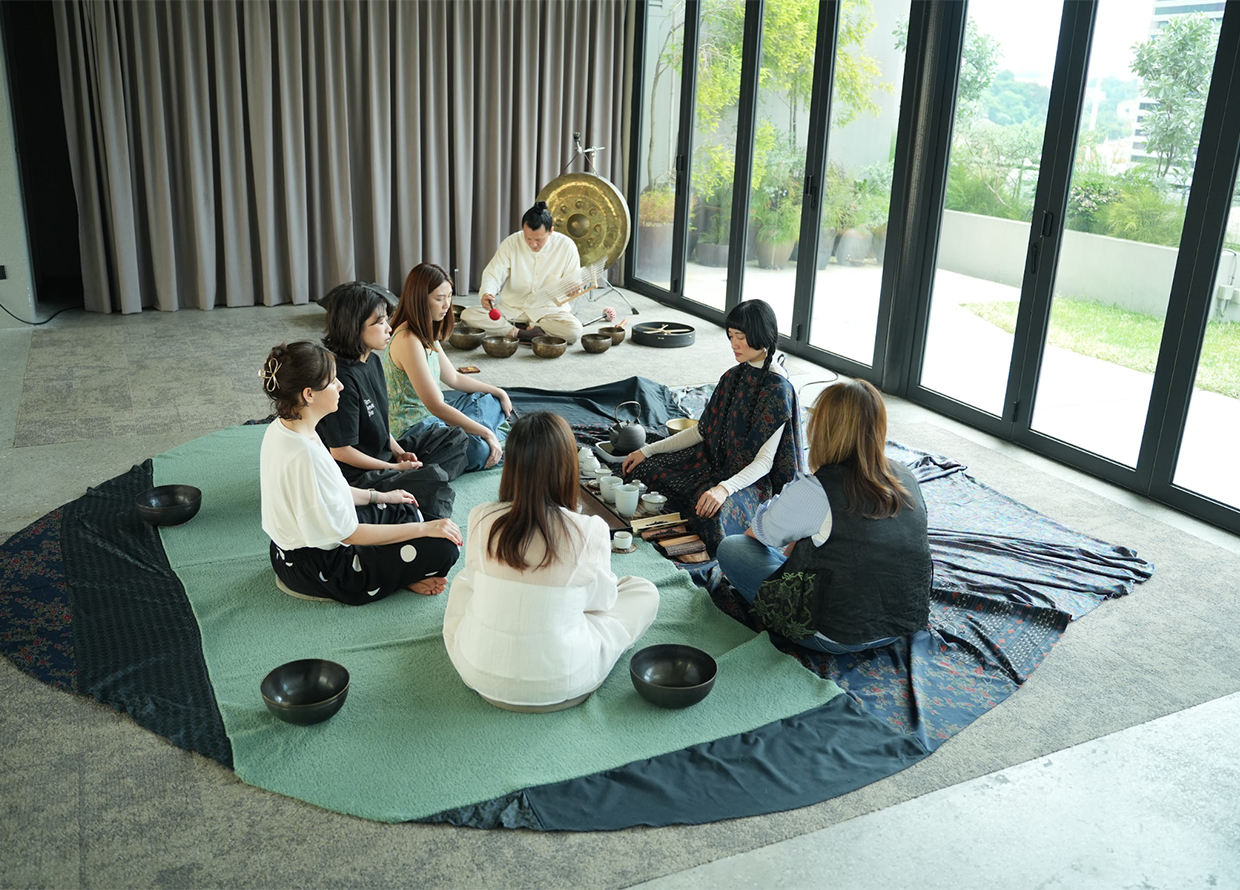
Kent Lee (KL): At that time, I was doing a lot of live music performances in bars and cafes as a bassist. Slowly, it evolved into contemporary dance and multimedia performances in theatres that involved visual arts and sound design. Aiwei saw that I did something quite different, so she reached out for a collaboration. I was also very interested in her tea practice because I’ve been drinking tea since I was 15 years old.
How sound therapy came into the mix was because I was struggling with anxiety attacks, and I found that it really helped calm me down and balance myself. So we both started asking each other how we could use what we learned with sound healing, art, and tea to do something that blended all of them.
HOW DID YOU SEE SHAMAN TEAROOM GROW AND EVOLVE, ESPECIALLY THROUGH COVID?
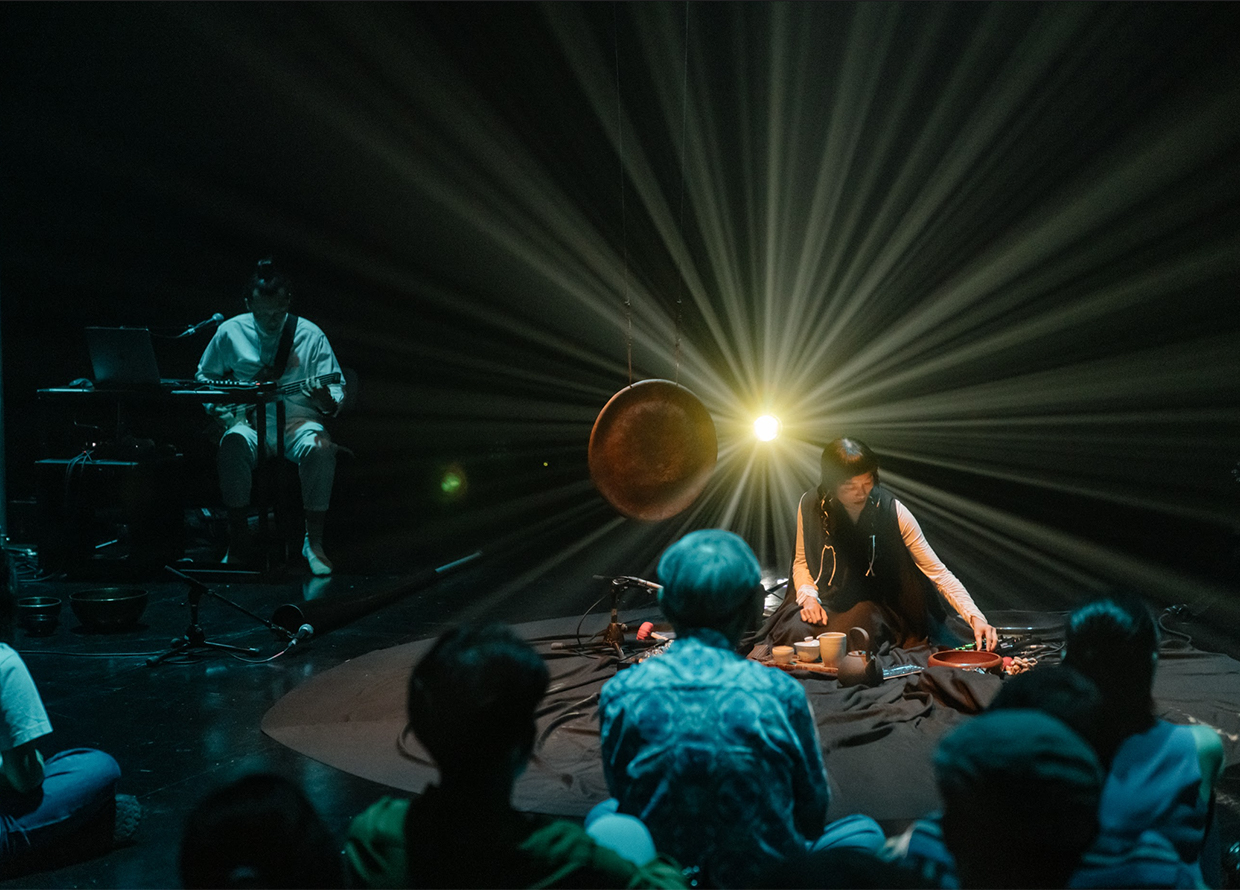
AF: At first, Shaman Tearoom was more of an art project, at least for me. I wanted to blend performance art with a tea experience to explore the interaction between the artist (the brewer) and the guest. When the COVID lockdown happened, it changed everything, as we could no longer do this with a physical audience.
Thankfully, we were invited to take part in a live virtual performance in 2020 for a Singaporean art exhibition. That was our first livestream performance without anyone present and the turning point where we evolved from an experiential session into a pure performative collective.
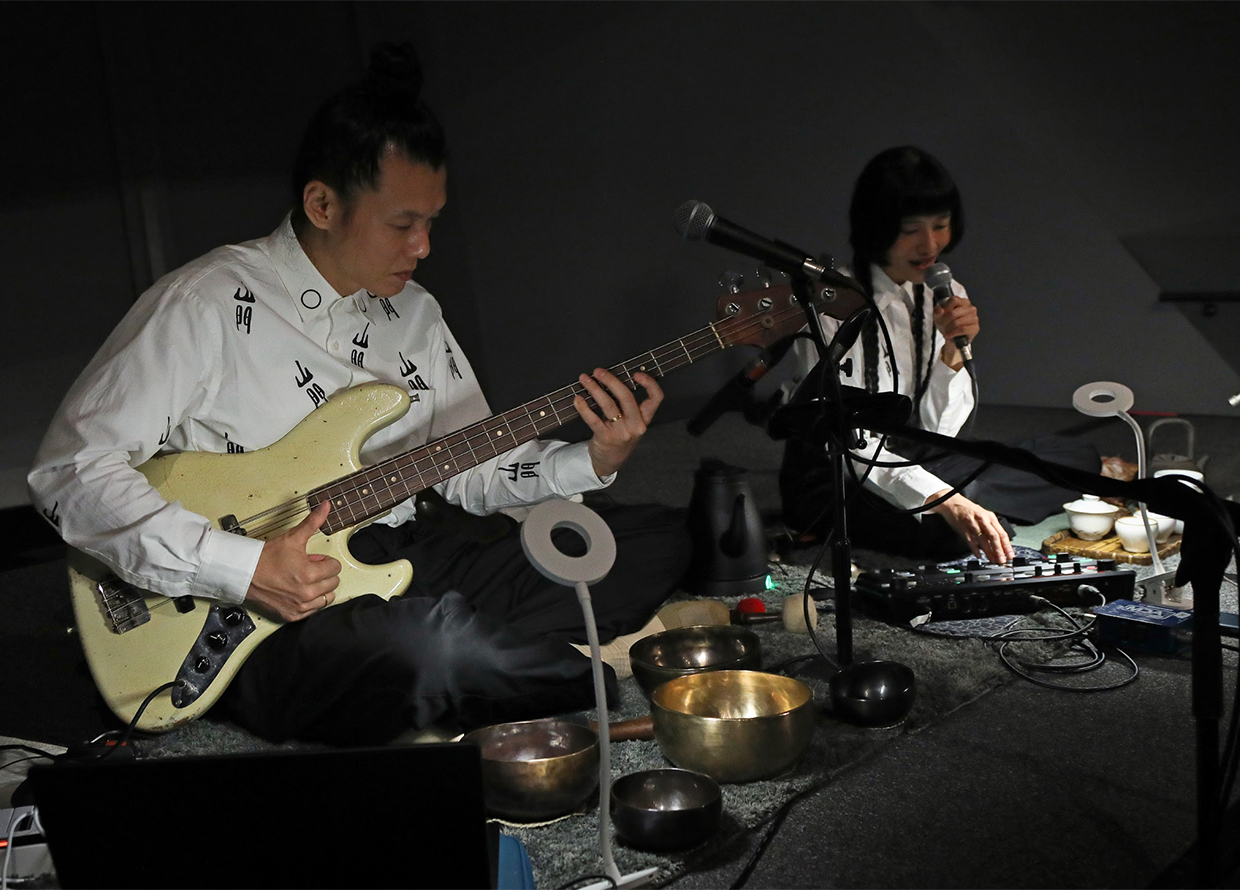
KL: It was a really crazy but rewarding opportunity. I remember we set up the whole house like a studio. We had a sound engineer and three camera setups for different angles. We didn’t know how we could translate what we did physically in a virtual setting, but it all worked out well.
AF: But the core of Shaman Tearoom is and will always be all about the tea. It’s integral to everything we do, which is why we always try to incorporate a tea ritual before every performance as a way to ground ourselves.
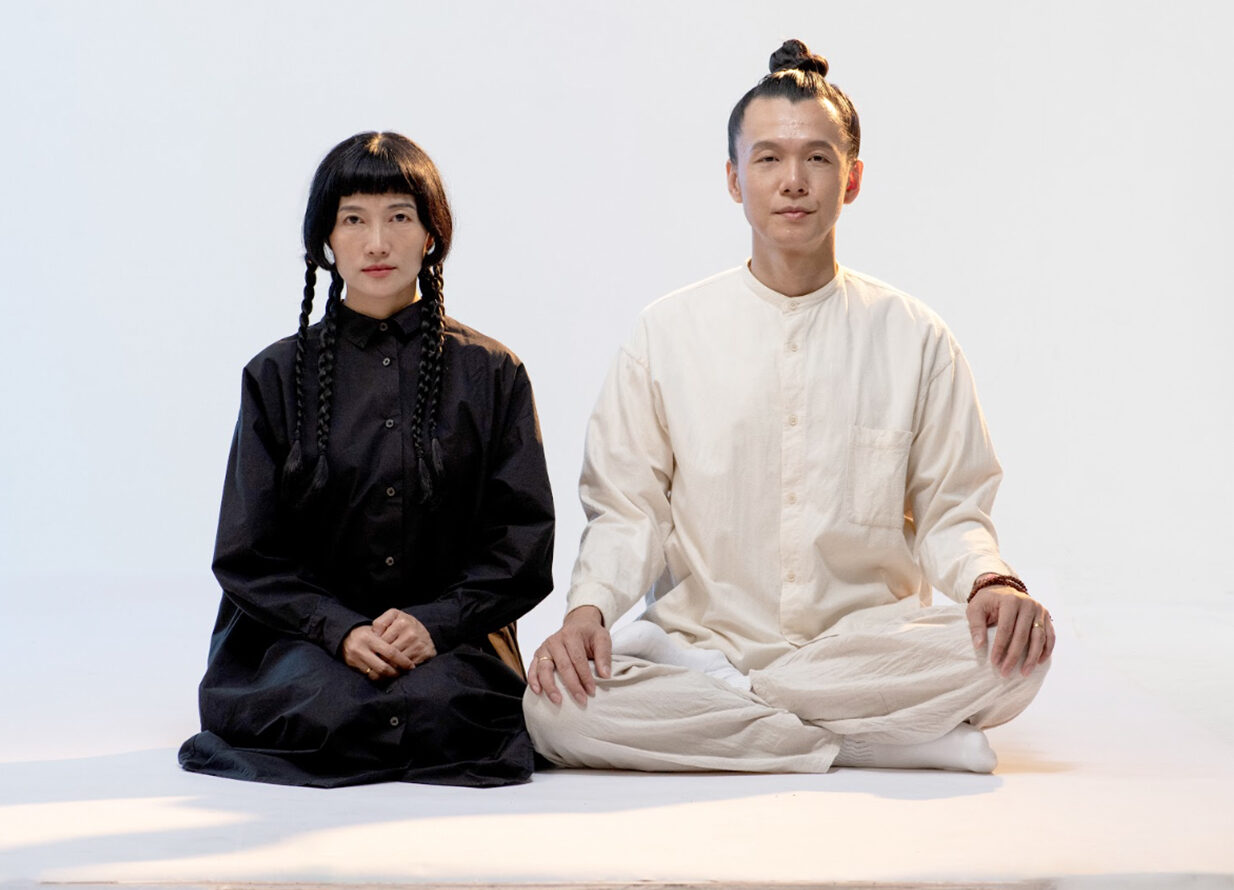
WHY DID YOU DECIDE ON THE NAME SHAMAN TEAROOM?
KL: ‘Shaman’ has interesting connotations. It corresponds to the Mandarin word ‘san men’, which translates to mountain gate. Back then, the entrances to temples and sacred spaces were often on mountains and were called mountain gates. So we wanted to have a space where people could also similarly come to practice mindfulness and cultivate their minds.
Shaman also has roots in the Siberian native language, which refers to the ‘one who knows’. They were regarded as healers. Similarly, we want to try to bring healing and peace to those who visit us.
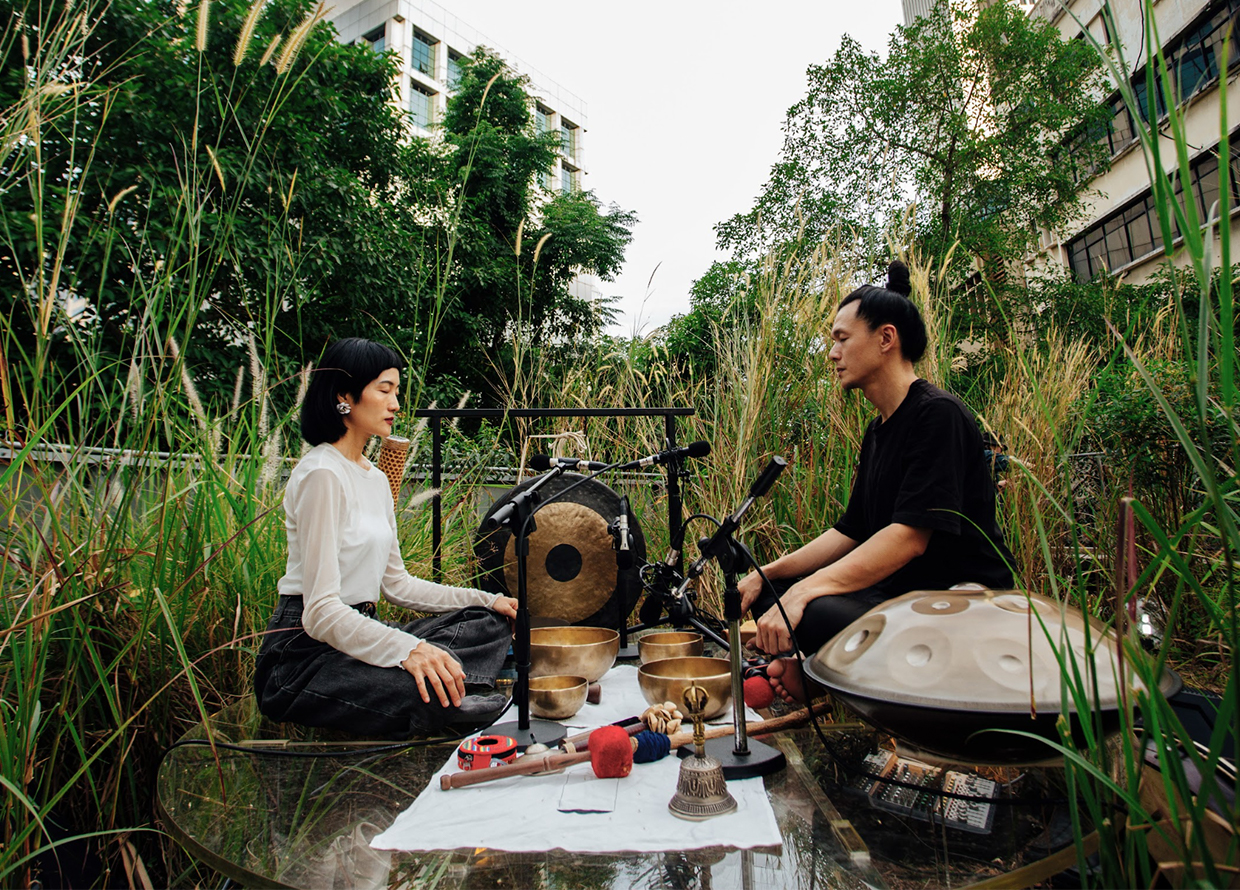
For sound therapy, it’s not like you have any superpowers. You just understand how sound can provide a frequency or vibration that resonates with our bodies, balances our nervous system, and tunes down our brain waves. Similarly, good tea has good vibrations. I believe when you enter our space, you will feel comfortable, relaxed, and safe. This is what we try to achieve.
How did you become such a practitioner of tea-drinking?
AF: 10 years ago, I actually didn’t drink much tea. I had a preconception about its taste, like how it’s bitter or the type you get at a typical Chinese restaurant. But one day, I tasted a cup of really well-brewed tea, and I was so shocked it could have such depth of taste. So that was how I properly started this tea journey.
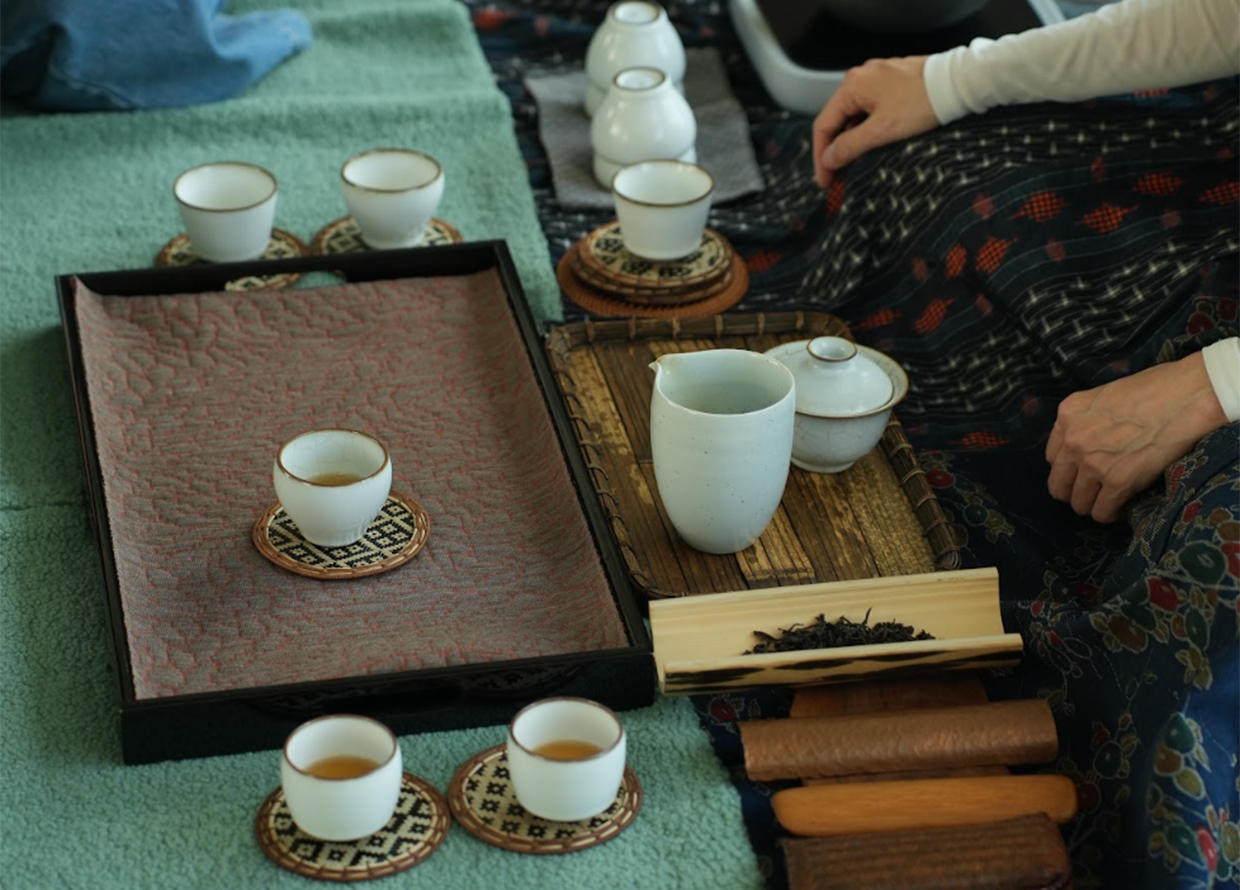
Moreover, when I’m drinking tea, I can actually be so slow. From the act of putting the tea leaves into the pot and waiting for it to brew to taking small sips, it makes you slow down. I wasn’t thinking about what I had to do later, and was so surprised by how present I could be. I want to share this experience with people to help them be mindful and present. For people who live in the city, it can be so difficult. That was why I started with guerilla tearooms and now with Shaman Tearoom.
KL: Because we provide everything from the peaceful space and tea preparations to the instruments we play, it becomes a very complete experience. We actually had some guests tell us they were able to taste more of the tea after completing a session.
What was the turning point for you both to dive into holistic wellness?
KL: As mentioned before, the turning point was when I was suffering through anxiety attacks in 2018. The doctors advised me to rest, but it kept happening to the point I had a phobia of driving.
I found a sound therapist to help me with this because I heard good things about it. I’m also a musician, so I thought it would be interesting to see how sound could help me. And it really did help me a lot. I felt myself calm down so much during the session. I started learning more about how to do it myself, and it has led to good changes in my life. It takes a lot mentally and physically to carry out a session, so you really need a clear mind and clean body. Through this, I stopped smoking and drinking alcohol.
What do you want people to feel and experience at Shaman Tearoom?
AF: Our focus is on mindfulness. Mindful practices are not just about meditation; it’s about how you can apply them in everyday life. We have tea experiences as one of our mediums to practice mindfulness because it’s something that everyone can relate to.
KL: And this mindfulness comes through the cultivation of the mind. Sometimes, why do you feel like you’re relaxed one moment but anxious the next? We try to convey the concept of impermanence, the idea that nothing stays the same. Good things are fleeting, but so are the bad. So, through cultivating a neutral mind, we can help people relieve their inner stress, improve sleep quality, and balance their emotions. Mindfulness is not an overnight thing. It’s a constant practice you do every day.
That’s interesting, this concept of impermanence. Can you elaborate more?
AF: We all want to live well, feel at ease, and be happy. Through mindfulness, you’re able to be in tune with your emotions. Once you become more self-aware, you’ll start to gain insights and wisdom on how to act and react. With impermanence, you understand that everything is fleeting. One moment you’re happy, and then it’s gone. You’re angry, and then it subsides.
When you start to understand the influx of your emotions, you won’t feel constricted but instead experience freedom. When you’re not holding on to something so tightly, that’s when you feel at ease. This feeling of ease is what happiness is to me.
There’s a range of people who come to visit you, even people in their 20s. Why do you think they’re seeking out these traditional rituals in this digital age?
AF: Because it’s so tactile and organic. With technology being so advanced, there is even more reason to retain these traditions and rituals. AI robots may be able to brew tea in the future, but it won’t be the same because it lacks the human warmth.
KL: I think when things get too modern, people will seek out the opposite in an effort to connect back with nature or themselves, so to speak, in a more tangible way.
What are some practices people can instil in their daily life?
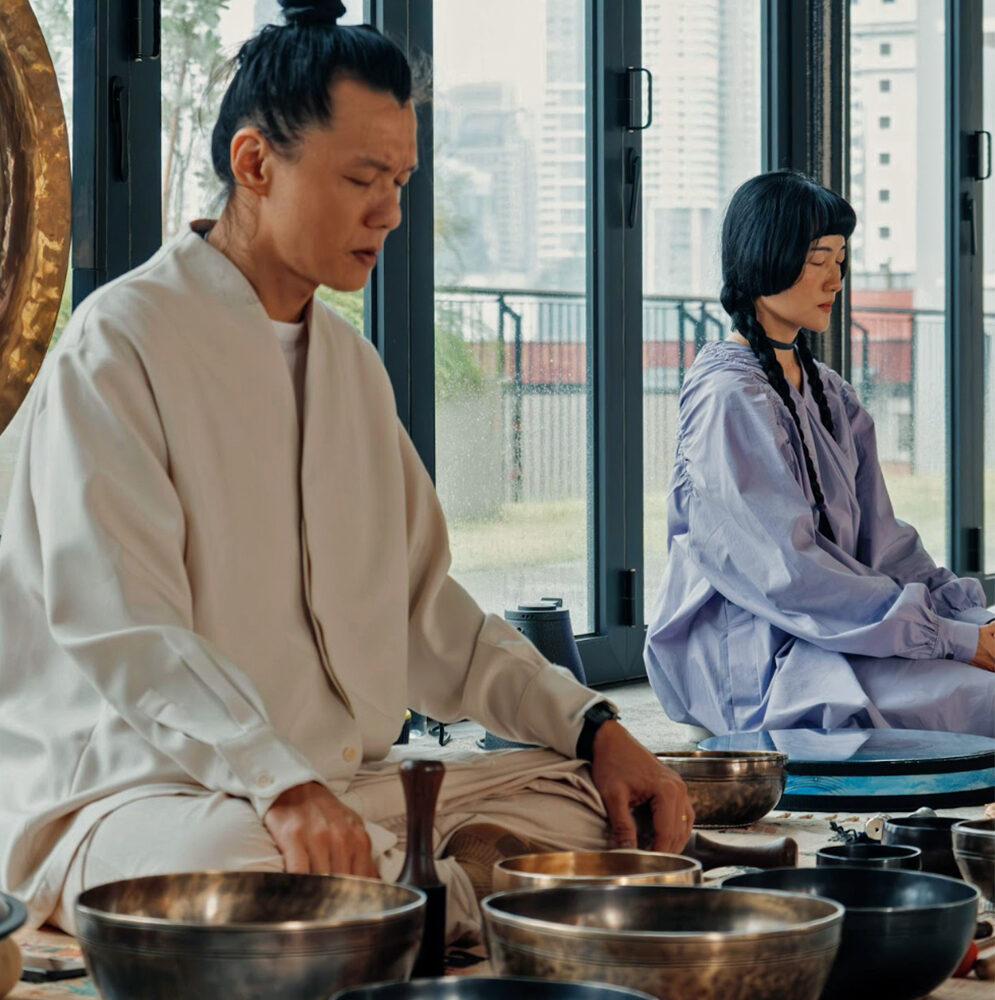
AF: I always tell people, if they can spare even five to 10 minutes to just sit with themselves before and/or after they wake up. It’s free; you don’t need anything else. But some people really don’t give themselves time to sit down and want to be busy. It’s hard to get people to sit and do nothing, actually. That’s why our sessions, whether it’s our seated meditations or sound therapy, try to create this environment where they kind of have to force themselves to stop and stay with it.
KL: Yes, I would say meditation. People might think it’s to escape from the real world, but it’s more about reconnecting and observing yourself in a deeper sense. When you have enough time to meditate, you’re actually giving yourself space to rest. To empty your mind rather than fill it with more things.
Ultimately, what is your purpose with Shaman Tearoom?
AF: We want people to slow down and retreat within themselves. Not to always chase outward validation but to also look inward because that is so important. I believe when you quiet down and are more present, you become more self-aware. Not just to your surroundings, but also to your inner voice.
Follow Shaman Tearoom on Instagram here for the latest updates.
For more inspiring stories of local founders, head here.
| SHARE THE STORY | |
| Explore More |