Jalinan’s Founders on Developing Its Identity & Exploring the Layers of Malaysian Cuisine
Interwoven influences
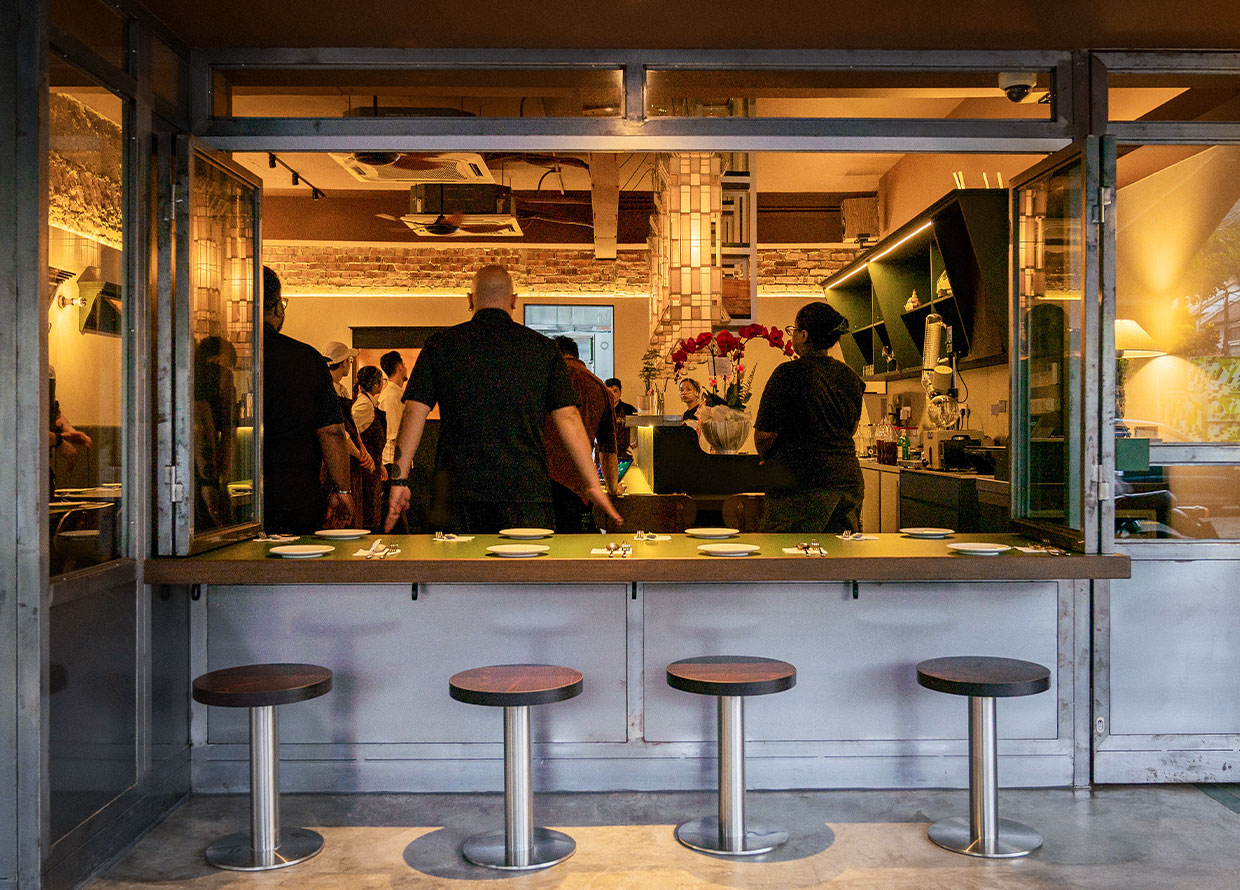
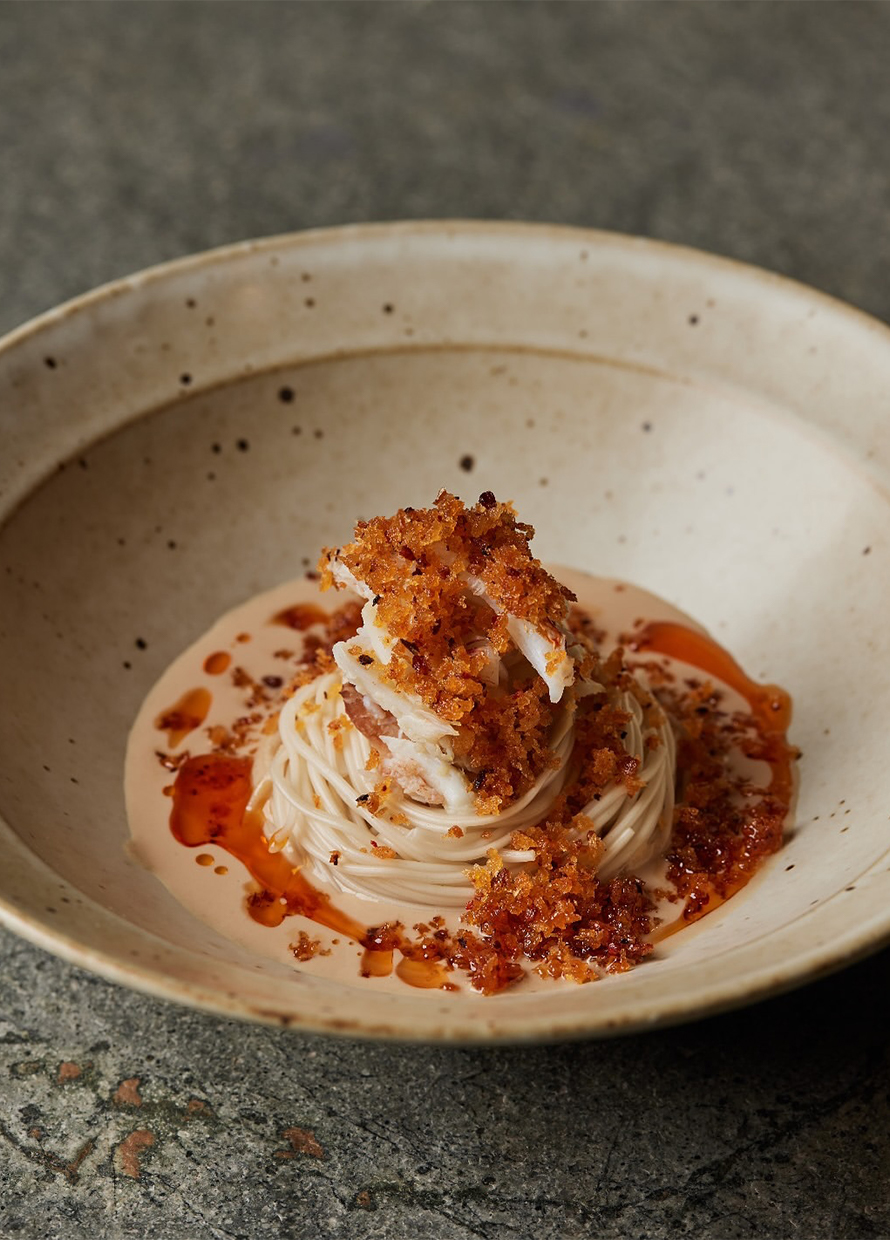
We sat down with the founders of Jalinan for a chat about carving its own identity as a Malaysian noodle bar, developing a cohesive menu, and more.
Say hello to Jalinan, the latest addition to the thriving TTDI food scene, courtesy of the minds and hands behind Fifty Tales, including founders Aaron Khor, Aaron Phua, and Bimmy Soh. The restaurant arrives as an honest celebration of Malaysia’s vast and cross-cultural portfolio of flavours. Its menu stays true to the origins of familiar dishes, while also bringing new dimensions to them in the name of curiosity.
View this post on Instagram
Straying from the Malaysian-Chinese narrative that many are well-acquainted with at big sister restaurant Fifty Tales, Jalinan’s menu is a well-rounded look at Malaysian cuisine. It digs deep into our spice racks, farms, and forests, pushing the edible underdogs into the spotlight from wild losun to daun semomok. In celebration of its momentous opening, we caught up with the founders for a chat about the ethos behind Jalinan, carving its own identity separate from Fifty Tales, and how the menu came to life. Find our conversation below!
Tell us the story behind the name Jalinan and its logo.
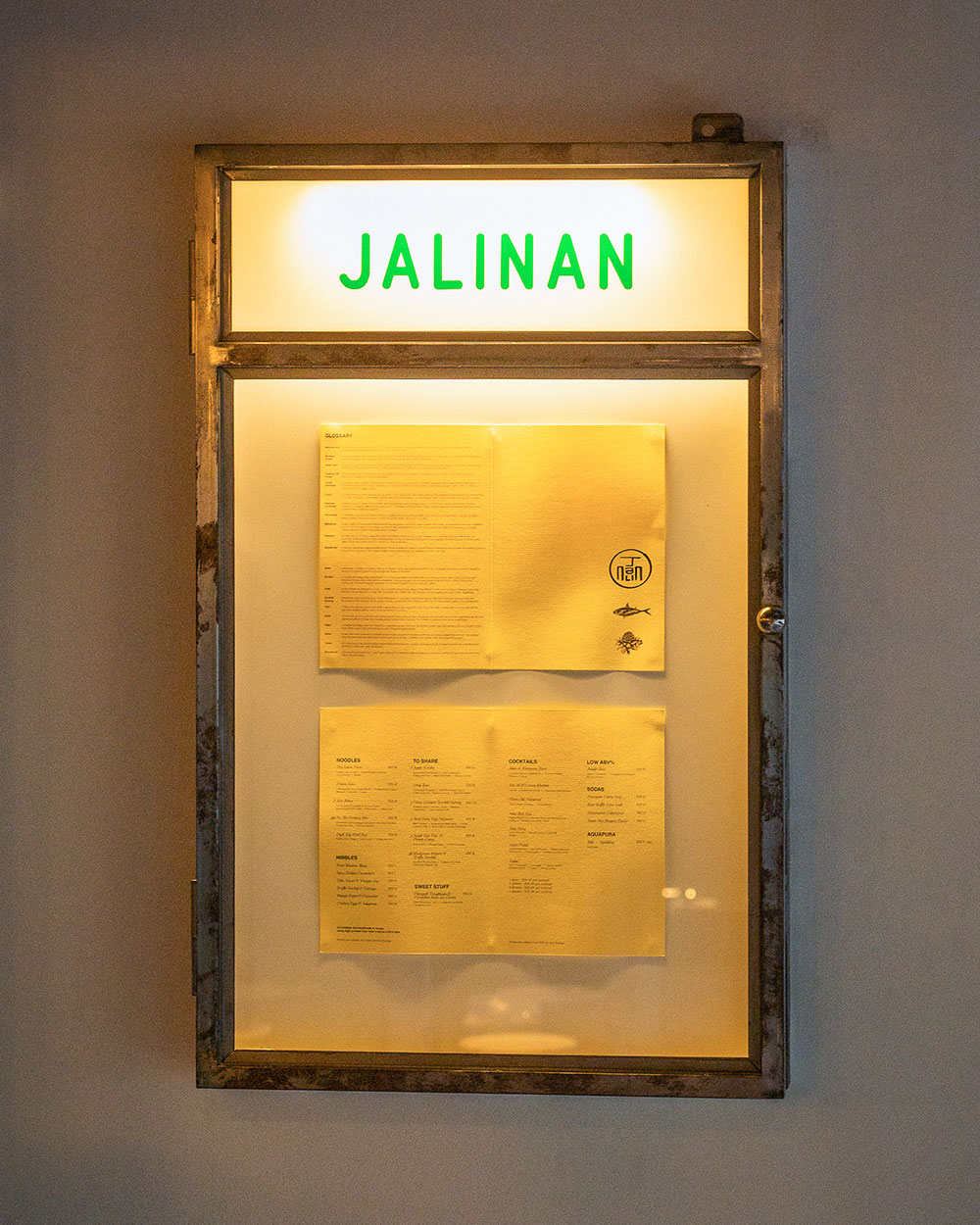
The name came about when we were trying to describe what we do. Jalinan is Malay for ‘network’ or ‘to weave’, which we felt describes our heritage beautifully. We like to say that Malaysia is a melting pot of cultures, so in a sense, the name itself represents that. Our food culture is built upon cross-cultural borrowings and it is a creolised culture that includes various communities, language and identities.
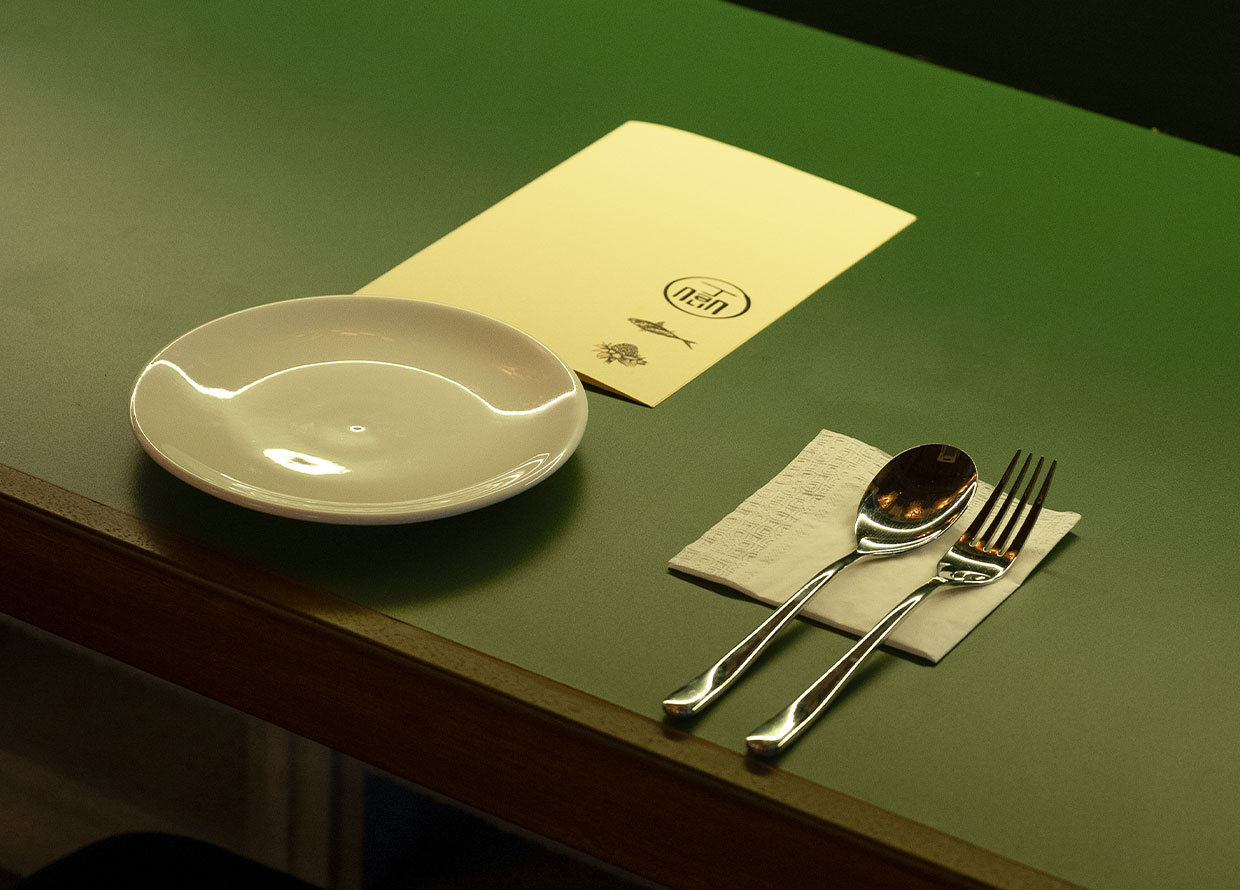
As for the logo, it’s actually drawn to look like the word ‘面’ (mian), which means noodles. We transformed the character’s strokes into the letters that make up the word Jalinan to signify that our restaurant is still deeply rooted in noodles.
How and when did you guys feel that a second restaurant was in the cards for you?
We always knew we wanted a second restaurant because of the skills the three of us have in each of our respective fields within the industry. On top of that, we’ve always wanted to do something that explored the other corners of Malaysian cuisine, including Malay, Indian, Peranakan, and perhaps Bornean cooking too.
What came first? The menu or the concept?
The concept came first, then the menu followed after.
How would you describe the concept of Jalinan?
We are a Malaysian noodle bar, serving cuisine that is inspired by Malaysian cross-cultural borrowings. In other words, it’s fusion Malaysian cooking—although, we think “fusion” is such a dirty word [laughs].
How did you know that this was the neighbourhood for you?
We were specific with the target market. Also, we wanted to be pork-free to also cater to the larger population group in Malaysia. So with everything considered, TTDI fit the bill perfectly.
Did the Fifty Tales team chip in with the development of Jalinan? If so, how?
Spencer, who has been with us for more than five years now, has shifted over from his role at Fifty Tales to sous chef of Jalinan, acting as a pivotal figure in this change.
With Fifty Tales having gained its own identity as a noodle bar, how is Jalinan carving its own path?
Firstly, by stating the obvious, Jalinan is a pork-free business and we aim to cater to everyone. We don’t see it at all as a self-cannibalisation of our business, but rather an extension of how far our noodle game can go. The Jalinan menu wouldn’t make sense at Fifty Tales and vice versa.
Additionally, the direction and philosophy of cooking at Jalinan are very much different in terms of flavour approach. Yes, we may be similar in our goal of celebrating our local cuisine proudly, but the overall flavour profiles and dining experiences of both vary greatly.
Jalinan is a noodle bar that represents the dynamic and bold part of our Malaysian cuisine. Many of the dishes here take inspiration from cultures such as Malay, Indian, Langkasuka, Chetti Peranakan, Northern Peranakan, and more. On the other hand, Fifty Tales will always stay championing Malaysian-Chinese cuisine throughout its different menus—there is too much to cover in a single one!
What was the overarching thought process behind the menu at Jalinan?
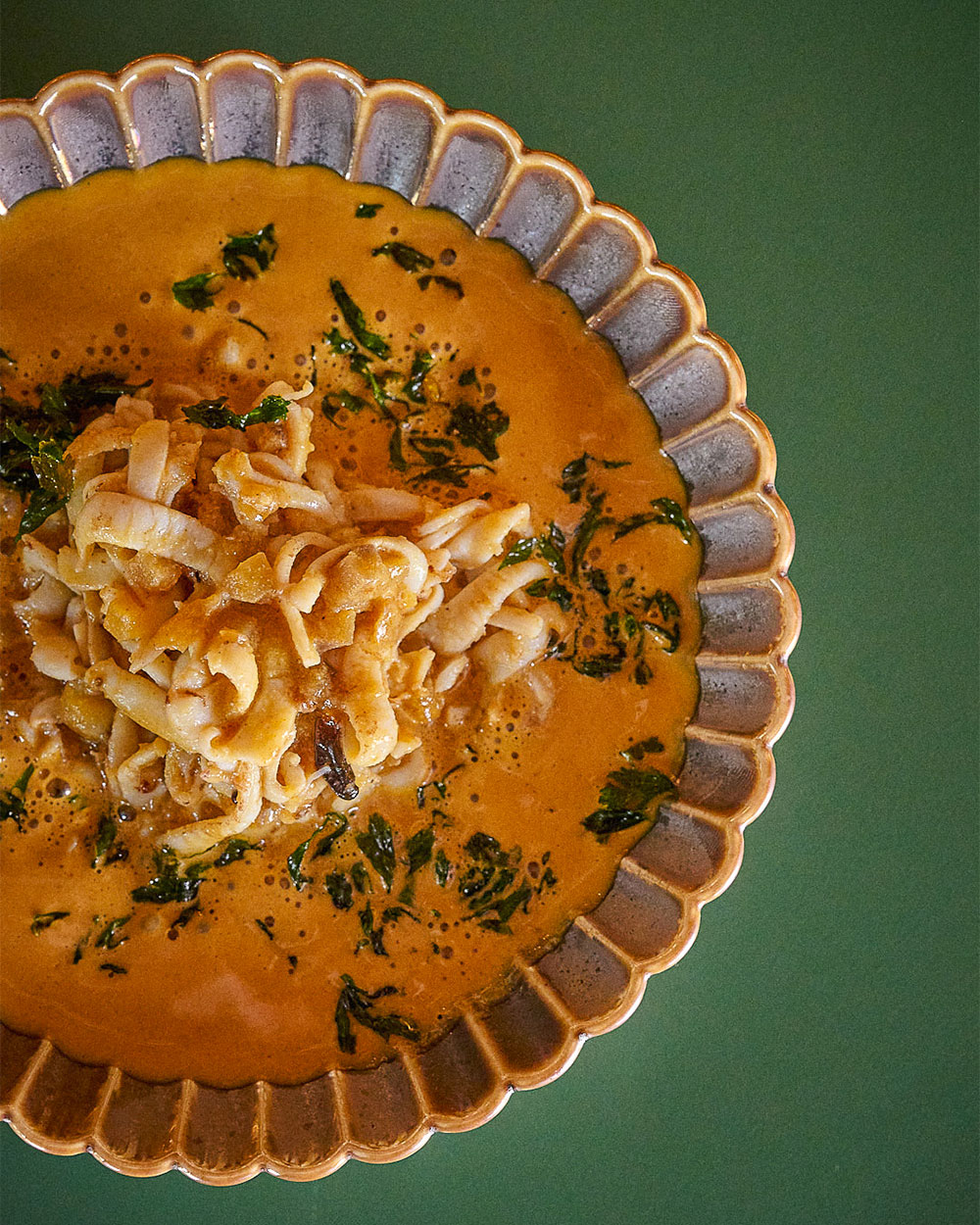
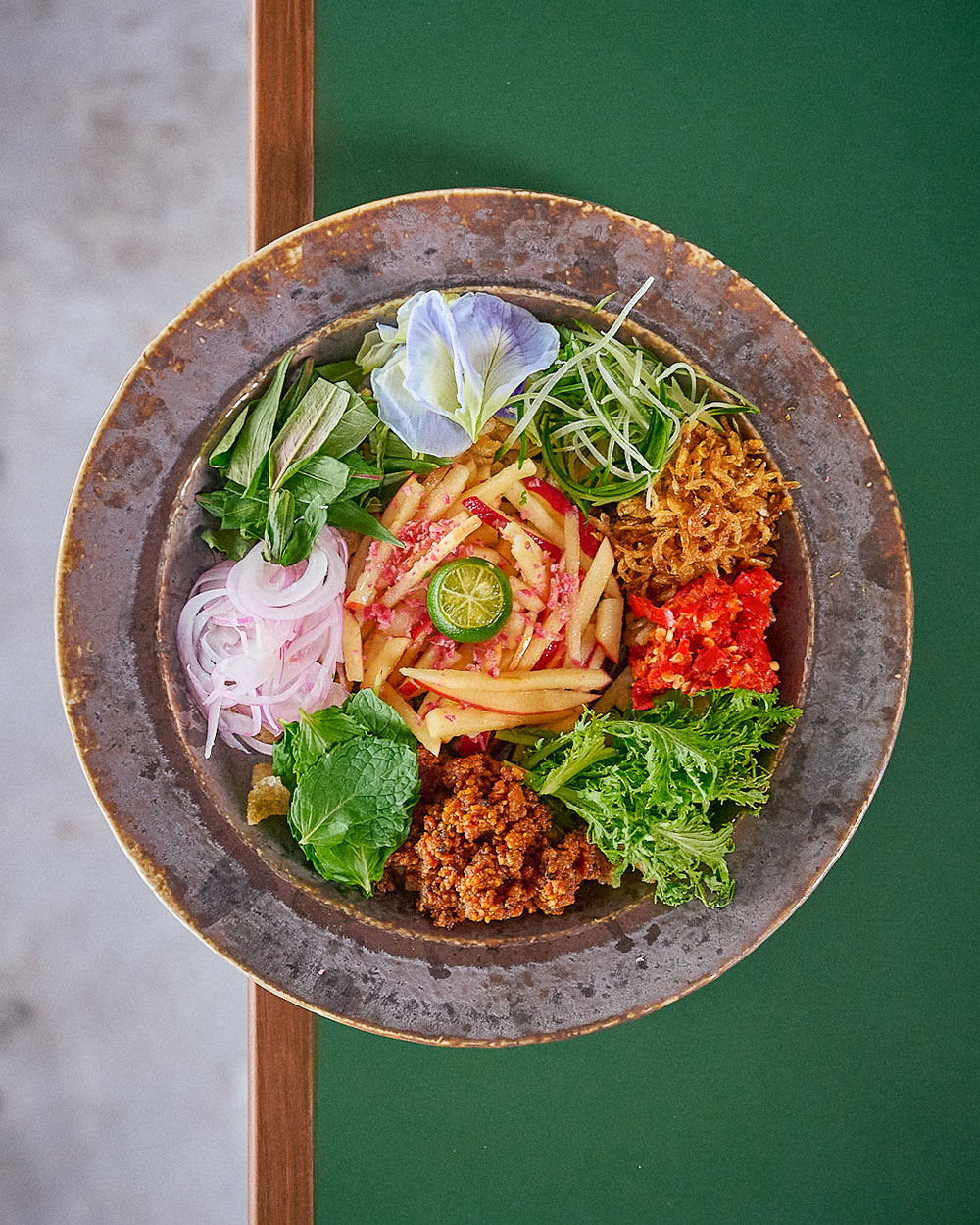
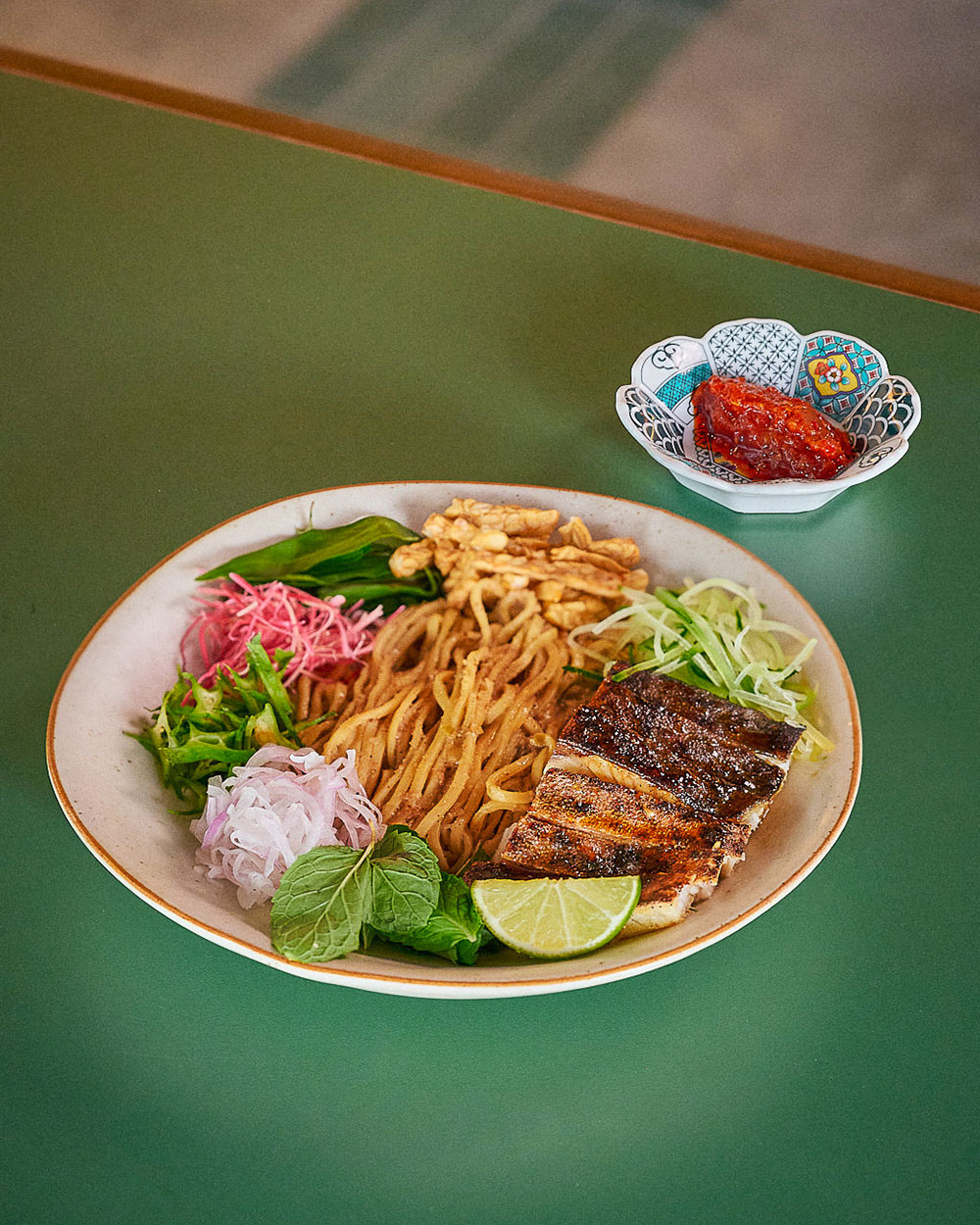
The main intention of the menu is to show how we can fuse flavours together in a way that might feel weird at first but makes sense after a while—sort of like an awkward new relationship. We also try to reinterpret local rice dishes as noodle bowls, like our dry laksa ulam. Every dish for us, is like a “macam ini, tapi bukan” (like this, but not) in a good way.
Is there something you did differently here compared to the opening of Fifty Tales?
We took longer to open by doing more closed-door training at the start to familiarise our team with the new space and menu. Back then at Fifty Tales, we just opened. We thought we knew what to expect, but we didn’t. At Jalinan, we did many rounds of training and culture fitting for the team to understand our thought process, our philosophy and, most importantly, how we see our guests.
What was a lesson you learned from Fifty Tales that you carried with you through the opening of Jalinan?
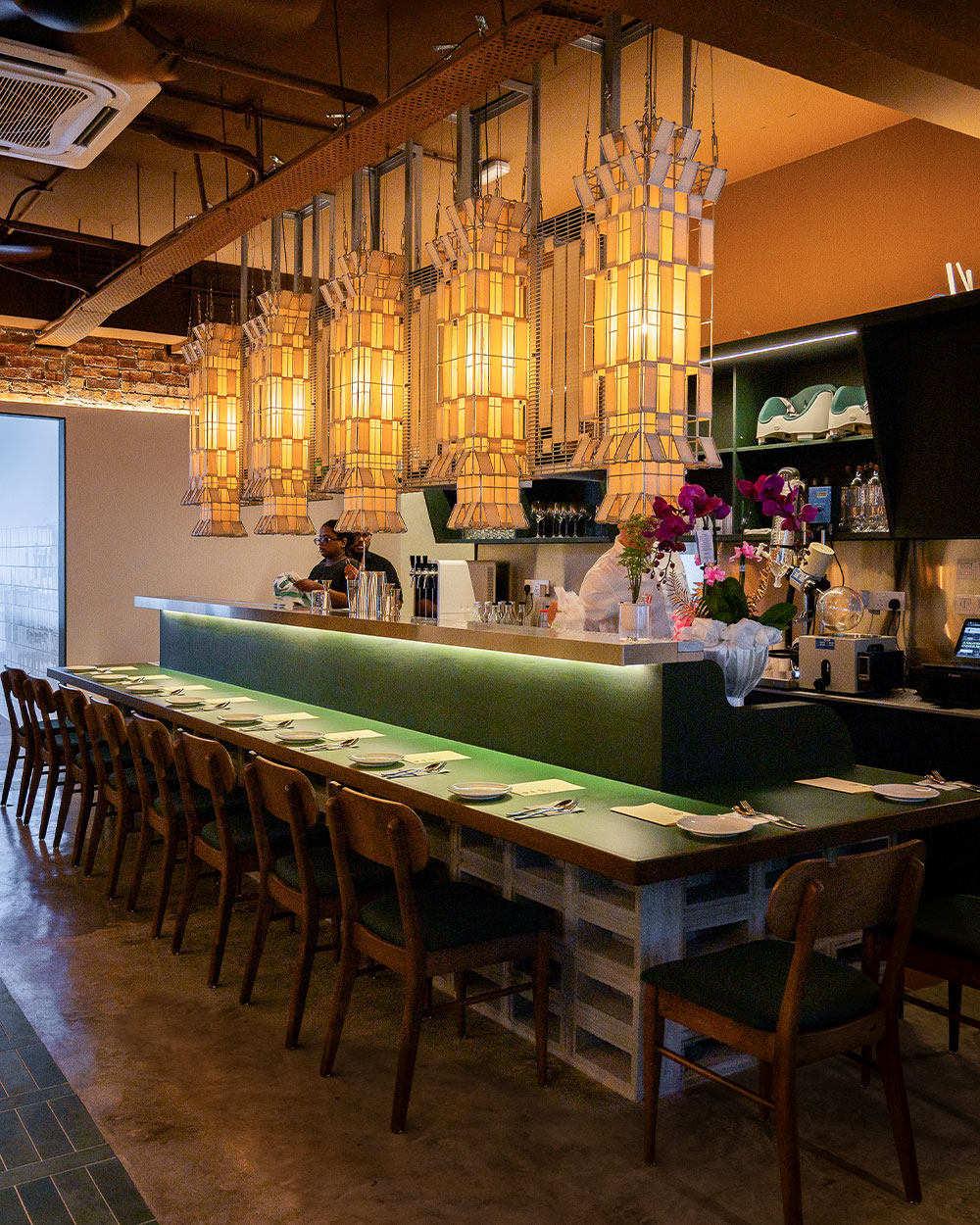
Fifty Tales has always been a great lesson to us and we will always find ways to do things better. We learned to take our time developing the overall experience for the better and making sure our team is better equipped for the opening. We focused on our work spaces, making it efficient for our staff. Meanwhile, we also spent more time developing our dining space, designing it with more intention for our diners. For example, all of our chairs have a little notch cut on the top left to let our diners hang their bags or jackets.
While we all know comfort is something you hope to convey to guests with both your restaurants, what else do you wish your guests would take away from a meal here?
That Malaysian cuisine is just as good as any globalized cuisine in the world and we do what we do simply because we are ‘Anak Malaysia’.
For more food and drink reads, click here.
| SHARE THE STORY | |
| Explore More |