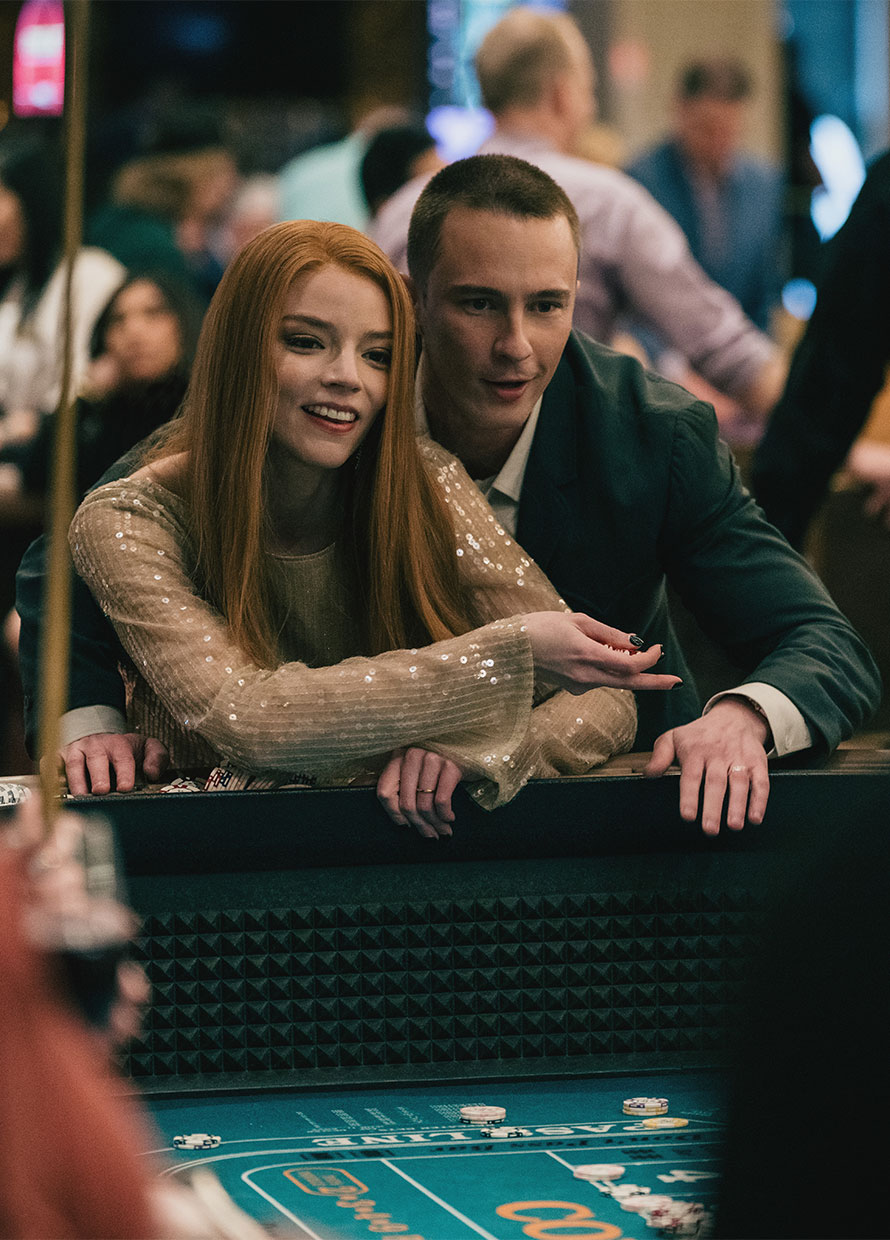
MIFFest 2026 Ambassadors on the Importance of Cinema
Celebrating cinema


Cinema has always been more than entertainment. It is a mirror of society, a record of history, and a bridge between cultures. And nowhere does this feel more palpable than at a film festival, which offers something increasingly rare: carefully curated experiences that celebrate creativity, diversity, and the art of storytelling itself.
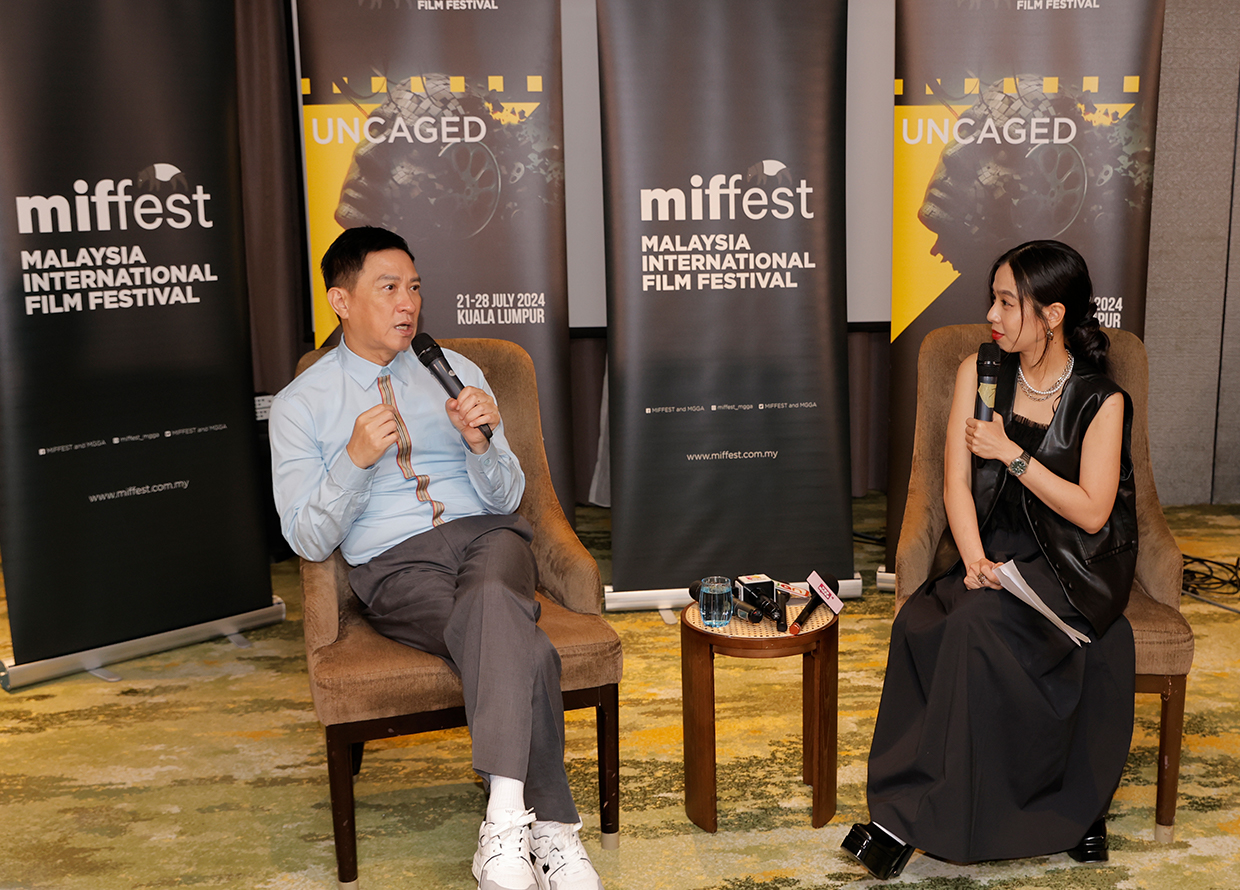
This philosophy lies at the heart of the Malaysia International Film Festival (MIFFest). Returning for its ninth edition, MIFFest 2026 brings together filmmakers, industry professionals, and cinema lovers for eight days of exceptional storytelling from 18 to 25 July.

Founded by Joanne Goh with the ambition of becoming Southeast Asia’s premier cinematic hub, MIFFest aims to be a long-term cultural platform to elevate Malaysia’s standing within the international film community. Much like how South Korea has the globally acclaimed Busan International Film Festival, and France has the prestigious Cannes Film Festival, Goh believes Malaysia deserves a festival that can stand proudly on its own—one that not only attracts world-class cinema, but also becomes synonymous with artistic excellence, cultural exchange, and cinematic discovery.
View this post on Instagram
At the heart of that vision is the belief that Malaysia has everything it takes to become the next emerging cinematic hub of Southeast Asia. The country is home to a rich tapestry of cultures, languages, traditions, and lived experiences that offer an endless source of compelling stories waiting to be told. From intimate productions (Tiger Stripes) to ambitious feature films (Abang Adik), Malaysian filmmakers continue to demonstrate remarkable creativity and originality, proving that local stories can resonate just as deeply with international audiences.
The festival’s continued growth speaks to its success, with its 2026 edition expanding to 65 films from 35 countries and regions, reflecting its rising influence within the global film community.
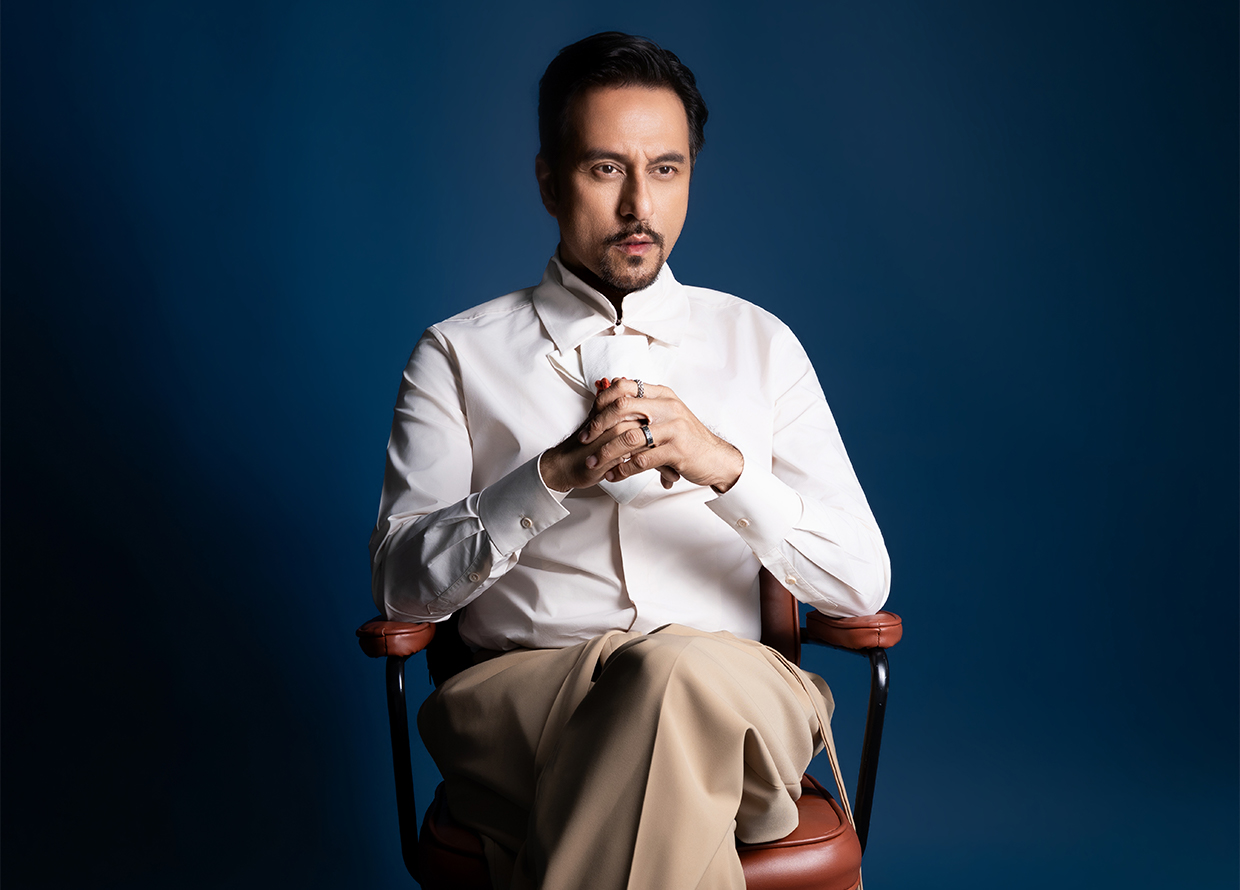
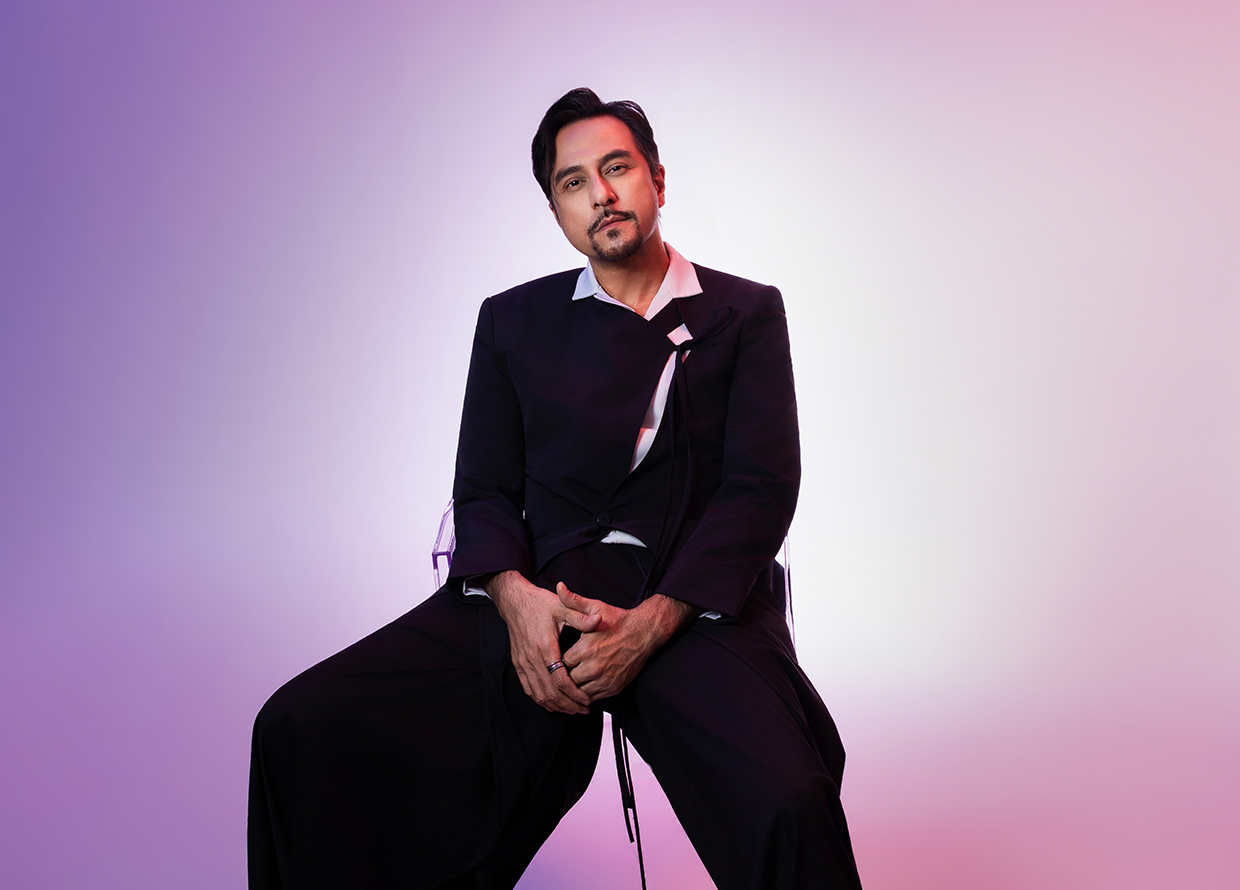
Ahead, we speak to Goh and MIFFest 2026 ambassadors Bront Palarae, Daiyan Trisha, and Jack Tan about the power of cinema, the importance of MIFFest, and more.
What does MIFFest and its organisation represent for you?
Joanne Goh (JG): So many things. I was first inspired to start MIFFest in 2016 because I was inspired by the Busan International Film Festival’s founder, Kim Dong Ho and my mentor and CEO of the Taipei Golden Horse Film Festival, Wen Tien-hsiang. Wen has always loved Malaysian culture and was the one who saw the potential of Malaysia’s multiculturalism and asked why we didn’t have our own film festival.
After speaking with him, I worked on the proposal for one month. At that time, I had no experience whatsoever, as I was in the live music and concert industry, but Wen gave me a lot of advice.

I’m so grateful to see how MIFFest has been evolving every year, especially this year, which saw tremendous growth. This year, we reached our 700th film submission. It shows that we are being recognised worldwide because international filmmakers have their eyes on MIFFest.
Furthermore, we’ve expanded to masterclasses, with various renowned directors attending MIFFest during the festival period. I would like MIFFest as a platform to become a Southeast Asian cinematic hub, and it’s great to see that we’re getting closer to that vision every year.
Bront Palarae (BP): MIFFEST represents a vibrant celebration of storytelling and creativity in Malaysian cinema. It’s a platform that brings together diverse voices, fostering collaboration and innovation in the film industry.
Daiyan Trisha (DT): For me, what MIFFest and Joanne, the president, represent is their efforts and love for film. Not just local films but arthouse, indie films that compete in film festivals rather than your usual blockbuster kind. These are the kind of films that deserve platforms, as well. We have submissions coming from all over the world and covering more borders. To make Malaysia the hub of these films is something to be proud of.
Jack Tan (JT): To me, MIFFest represents a platform that celebrates cinema and brings filmmakers together. It’s not just a film festival, but also a space where people from different cultures can connect, exchange ideas, and share their love for storytelling.

How has MIFFEST inspired you?
BP: MIFFEST has inspired me by showcasing the incredible talent within our region and reminding me of the power of film to connect people. It encourages me to push my creative boundaries and explore new narratives.
DT: It definitely broadened my perspectives with films. I’ve always loved watching movies and being an actress as well; it’s such a passion of mine. Being part of MIFFest and meeting other practitioners and lovers of the arts is a great opportunity for me to connect and learn about how they tell their stories through their culture and language.
JT: MIFFest inspires me by introducing films and storytellers from different parts of the world. It reminds me that film is a universal language, and it encourages me to keep exploring deeper and more meaningful stories as an actor.
What does the theme ‘Resonance’ mean to you?
JG: Film can arouse people’s emotions and can make them think differently about things. Different people watching a film will have their own interpretations. I think it’s that lingering feeling that stays within you even after the credits roll that we want to capture. So with ‘Resonance’, we wanted filmmakers to create stories that will ripple and echo forever.
BP: ‘Resonance’ signifies the lasting impact of stories and their ability to connect with audiences on a deeper level. It’s about creating moments that linger in the hearts and minds of viewers, sparking conversation and reflection.
DT: For me, I think ‘Resonance’ is what echoes life. The reason why film is such a huge part of a lot of people’s lives is how they touch people and how they relate to our unseen moments. It could be a scene that triggers a memory from your childhood. So, for me, resonance is about how a film approaches you in ways you don’t expect to be approached.
JT: To me, ‘Resonance’ is about connection. When a story, a character, or an emotion stays with the audience even after the film ends, that’s true resonance.

What are the most important aspects for you in film, both when you’re choosing a project and/or watching as a viewer?
BP: Authenticity and emotional depth are crucial for me. When choosing a project, I look for stories that resonate personally, and as a viewer, I appreciate films that evoke genuine emotions and provoke thought.
DT: As an actor, I’ll always look at the substance, director, and everyone involved. As an audience, I’ve always been the type to watch films that are nominated at award shows. Those are my kind of criteria. I don’t usually go for blockbuster films. With films that are critically acclaimed, I would go out of my way to find them.
JT: For me, the most important thing is always the story and the authenticity of the characters. Whether I’m choosing a project or watching a film, I’m always looking for something that feels real and emotionally honest. Even with animations, I’ll also cry if the storyline is moving! [laughs]
With the rise of streaming platforms, why do you think movies and the art of cinemas are important?
JG: Personally, I still believe in cinema. In my era, the cinema is where we go for entertainment and socialise with friends and family. I believe that cinema will never die. Of course, streaming platforms really took off during Covid and changed how people watched movies. I can’t say that one is better than the other; it’s ultimately down to preference. I would say there are benefits to both for movie-goers and filmmakers. But I’m a film producer, so of course, I will always prioritise cinema releases first, and then streaming. Whoever is unable to catch it in the cinema, they can still watch our film online.
BP: Movies and the art of cinema are important because they provide a shared cultural experience that can unite audiences. While streaming offers convenience, the communal experience of watching a film in a theatre enhances the emotional impact and connection to the story.

DT: I feel like we cannot stop people from streaming because it’s also really convenient and accessible. I also watch films at home sometimes, as well. But as long as people are legally consuming them, I think that’s okay.
At the same time, I do feel like there is a surge of interest in analogue. There’s a trend of people wanting to be connected with the physicality of things again, such as film cameras. So, I think the love for cinema and going to the cinema has never decreased. Cinema is not going anywhere, just like ballet and opera! [laughs]
But with MIFFest, we’re partnering with GSC at MyTown Shopping Mall to screen all the films for free. So anyone can come and watch as long as they register. These films won’t be available on streaming platforms, so this is one way we are encouraging people to come to the cinema more.
JT: Streaming platforms are great, but watching a film in the cinema is a very special experience. The big screen, the sound, and the shared emotions with the audience make it something unique. MIFFest is important because it acts like a bridge that connects us to other cultures and experiences. We can learn from each other through these stories.

What film has left the most memorable impression on you to date and why?
BP: One film that left a lasting impression on me is Life of Pi. Its themes of resilience and faith, coupled with stunning visuals, created an unforgettable cinematic experience that continues to resonate with me.
DT: I would love to highlight the film that won MIFFest’s Best Film award last year, called All That’s Left of You by Cherien Dabis. He’s a Palestinian-American filmmaker who also produced and wrote for the film. It was so amazing, and I remember sobbing so much in the cinema the first time I watched it. It was one of the films that deeply moved me in an unexplainable way.
JT: One director who influenced me a lot is Lee Chang-dong. I really love his films Oasis and Burning. His storytelling feels very real and human, and his characters are very complex. His films stay with you for a long time and make you reflect on society and human nature.

What has been your favourite memory with MIFFest and why?
BP: My favourite memory with MIFFest was the first time I attended as an ambassador and experienced the enthusiasm of the audience. The palpable energy and passion for cinema reminded me of why I love this craft so much.
DT: Meeting all of my idols. Last year, I got to meet Cherien Dabis and delivered a trophy to Reza Rahadian, who is someone I look up to so much as an actor. From there, we became friends, and I attended the premiere of his directorial debut. Being friends with people I’ve idolised has been so rewarding. Just being a name in a sea of talented people is something I really appreciate.
JT: For the second year of MIFFest, I was the Let’s Watch Movie Icon, so that was really cool. In a broader sense, one of my favourite things about MIFFest is the atmosphere. Being surrounded by people who truly love films is always inspiring. Film festivals have a special energy that brings filmmakers and audiences together.
For this year’s ninth anniversary, what can everyone look forward to at MIFFest 2026?
JG: Besides the movie selections this year, we will carry on the ASEAN on Screen second edition this year. We have many renowned filmmakers coming to Malaysia for panel discussions, masterclasses, and screenings. If you’re interested in films at all, please come and enjoy MIFFest 2026!
BP: At MIFFEST 2026, audiences can look forward to an exciting lineup of films that explore diverse narratives and themes. We’ll also have engaging discussions, workshops, and opportunities to connect with filmmakers, making it a truly enriching experience.
DT: This is my fourth involvement with MIFFest and my second as ambassador, but I’m always amazed by the effort and depth of its programme every year. With MIFFest 2026, people can look forward to a more diverse mix of stories from around the world. I feel like there’s a polarised view whereby some people think cinema is dying, or people like me who feel like cinema is still alive. As long as there is a force and initiative to keep it going, I think cinema is always going to be there to stay. If you’re someone who believes that as well, please check out MIFFest 2026!
JT: I think audiences can look forward to discovering many great films from around the world, meeting talented filmmakers, and celebrating the power of cinema together.
To find out more about MIFFest 2026 and its programme, head here.
For more film and TV reads, head here.
| SHARE THE STORY | |
| Explore More |