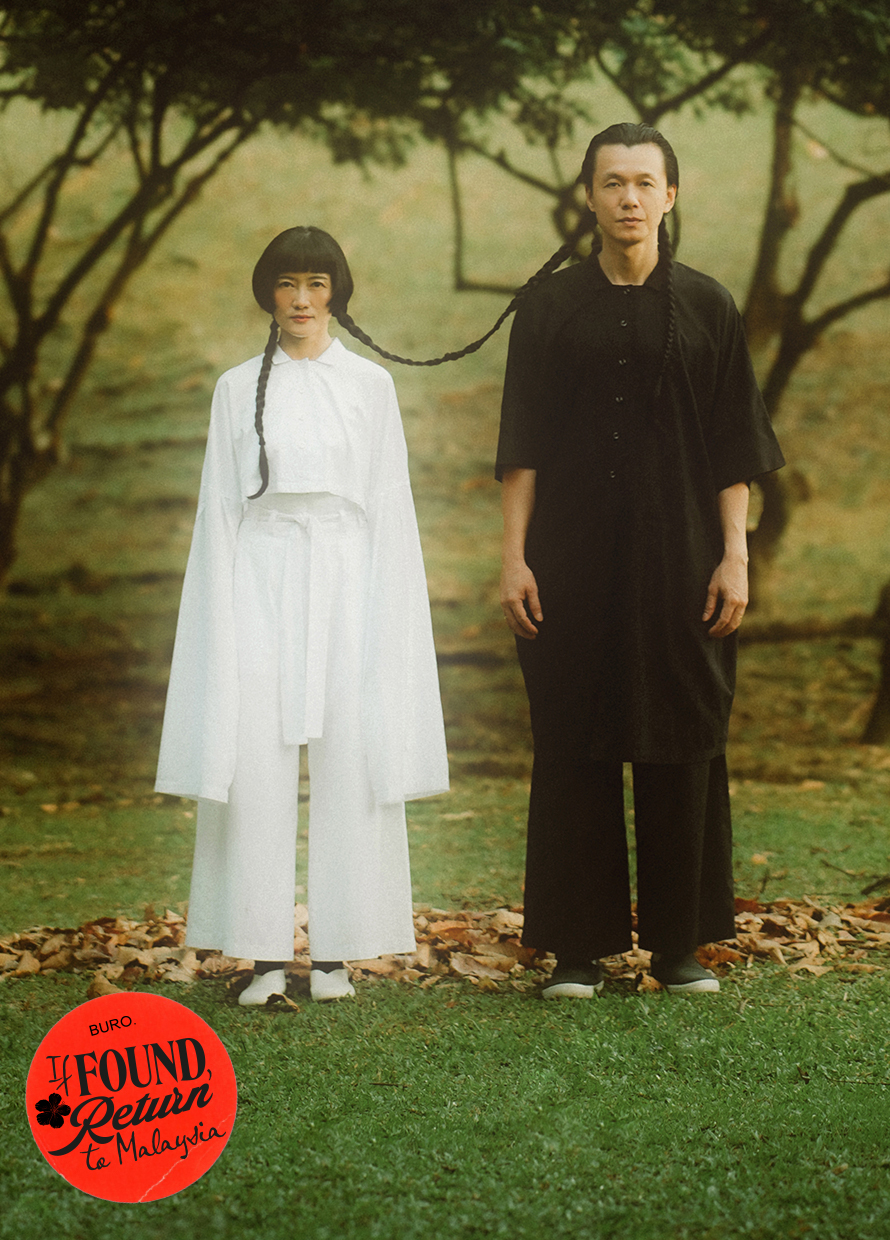
We sit down with Robert Chua, Johnson Wong, Koh Yung Shen, and Chris Chong for a conversation about their brand new documentary film, The Supper Club: Penang.
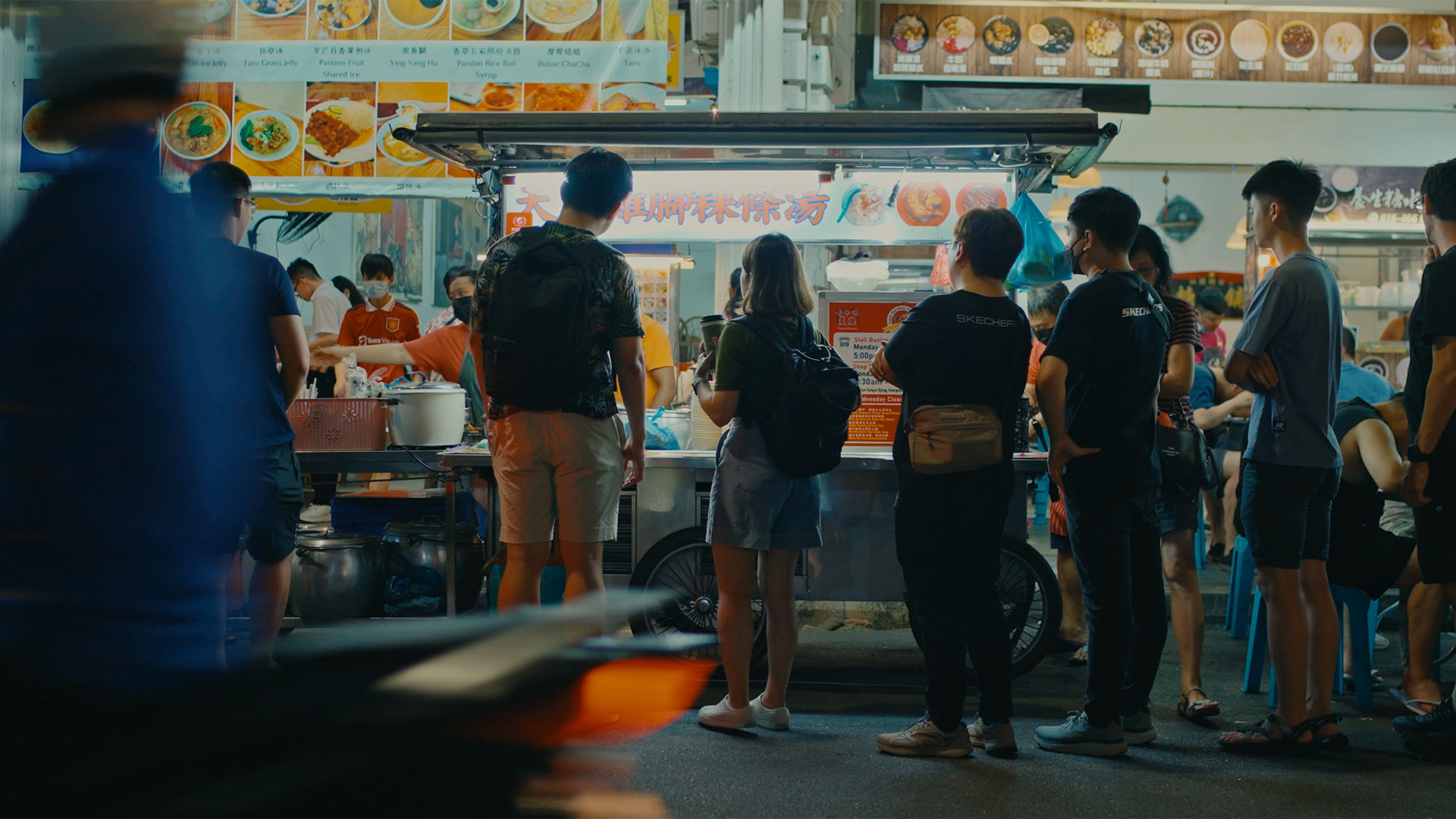
Long before there were creative cocktail bars and modern eateries lining the streets of Penang, its soul pulsed through the hawkers and kopitiams that lined its streets. With embers flying out from under woks, steam rising from bubbling broths, and lingering aromas wafting through the air, the charm in Penang’s food is unmistakable. Because of this, one would think that breaking new ground in its well-established landscape would be near impossible. Well, Koh Yung Shen and Johnson Wong beg to differ. The duo—responsible for Backdoor Bodega and gēn respectively—have done just that (and more).
View this post on Instagram
The last few years have brought them major success on both the local and international stages. Listings on Asia’s 50 Best, collaborations with peers across borders, and constant endorsement from locals when recommending places to visit in George Town. Yet, they refuse to save all the credit and recognition for themselves. It’s evident in every acceptance speech, appreciation post on Instagram, interview, and conversation that both Koh and Wong are fervent advocates for funneling the focus onto George Town and the life within its streets. And lucky for them, director Robert Chua and writer Chris Chong mirror that same zeal for telling the story of Penang’s capital as well as the inner workings of its food and cocktail culture. Thus, The Supper Club: Penang was born.
View this post on Instagram
The independently produced feature film follows Koh and Wong as they each work behind the bar and stove, carrying the weight of Penang’s traditions and stories on their backs. Chong comes in as its host, rediscovering his own Malaysian roots by way of Koh and Wong’s day-to-day routines. The film is divided into two chapters, each focusing on Koh and Wong respectively, as they let the audience into their worlds. With Chua leading the production pack, the film is more than just shots stitched together. Each frame is deliberate and integral to the overall story. As a whole, The Supper Club: Penang serves as a thoughtful and heartfelt ode to the culinary pulse of George Town, Penang that rises as the sun sets. And should things pick up, Chua hopes to bring The Supper Club into the wider Southeast Asian region!
We recently caught up with Chua, Chong, Koh, and Wong and spoke about the years-long process of making the film, what they hope their audience will get out of it, and more. Check out our conversation below!
Introduce our audience to The Supper Club: Penang like an elevator pitch.
Robert Chua: The Supper Club is a feature length documentary that focuses on trailblazers of Penang’s nightlife culture, deep diving into the lives of chef Johnson Wong, of gēn penang, and designer turned bartender Koh Yung Shen, of Backdoor Bodega.
Across four years of filming, we documented their rise from humble origins to the icons they are today. Both of them champion the use of northern Malaysian ingredients for their craft, and both dream of putting Penang—and Malaysia as a whole—on the global culinary and cocktail map.
This piece has been years in the making, but can you recall the first moment you guys thought about bringing it to life?
Robert Chua (RC): Ever since watching Street Food: Asia, Chef’s Table, and Midnight Asia, I’ve always dreamt of Malaysian food and drinks being documented in the same way. Full of cinematic flair, nuanced and emotional storytelling, that’s when the creative seeds were planted. I felt the desire to document my hometown and country with the same cinematic language and finesse. I also felt that Malaysia was (and still is) often overlooked in international documentaries and that no one was producing a film that represented Penang and Malaysia.
For gēn, I celebrated my 26th birthday there and was blown away at how they used local ingredients to make their food. Chef Johnson was very quiet when we started production but behind his introverted nature was a bold culinary voice that let his cooking do all the talking.
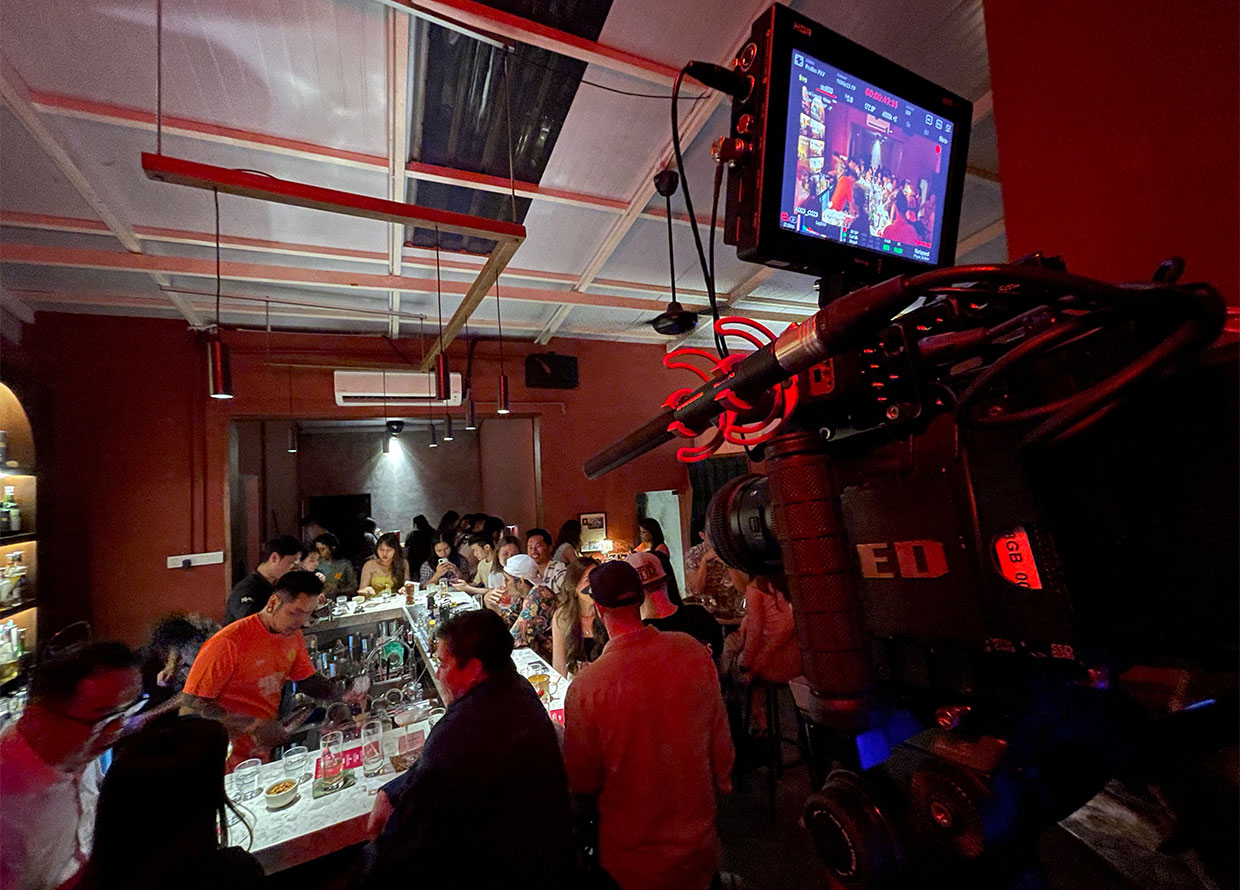
As for Backdoor Bodega, I’ve been a regular since their humble days as a small speakeasy with less than 10 seats. The neon-soaked atmosphere, the unique Penang-inspired drinks, and the philosophy of celebrating Malaysian ingredients all drew me into shooting their story. Deep down, I had a feeling they would make it big someday, whilst still proudly showcasing their Malaysian roots, and I had to make sure to document their story as it was happening in real time.
Chris (CC): Penang is a small island where everyone knows everyone, and Robert is the man about town when it comes to filmmaking. I’ve had a passion for films since university, and we both admired Hong Kong director Wong Kar-Wai’s movies. We had dabbled in each other’s projects until one day at a bar, Rob shared his vision with me. Since we both find Penang’s food and drinking scene to be special but underestimated, we naturally started the project in our little neck of the woods.
Koh Yung Shen (KS): Robert has always been a regular at Backdoor Bodega since our early days, and when he approached me in 2022 with the idea for a passion project documenting the bar, I was immediately flattered and excited. This was before any of the 50 Best accolades, before winning any cocktail competitions, and before any Penang Cocktail Weeks. Little did I know I would be facing Robert and his cameras again and again over the next four years as he kept coming back for more footage as both Backdoor Bodega and Islet Studio grew.
How did you keep the momentum and motivation going to film this over the years?
RC: Firstly, I’m a huge believer in finishing anything I start, and this is ingrained in me as well as my team. It’s a key pillar we follow to make sure growth happens, and regardless of how I feel emotionally, things get done.
Secondly, it really is down to the core reason of why I started this in the first place: to celebrate my hometown and my country. I anticipated the day would come when this would be on the big cinema screen in some shape or form. Also, the idea that other Malaysians and Penang lang (people) will see this someday and hopefully be inspired by these two stories.
Thirdly, after shooting, editing and refining across multiple years, I felt a sense of duty to keep the flame going and to see this to completion. The efforts that Shen, Johnson, Chris and their respective crews had put in further cemented the feeling that this had to be completed.
CC: I have to give credit to Rob for resisting the temptation to give up in the face of challenges like the COVID lockdown or the overwhelming number of client projects that he had to balance. I think he just had a vision and a determination to see it through, and after five years of building his own company, he had formed a team around him who shared his fighting spirit.
What was a priority when it came to the storytelling of the film?
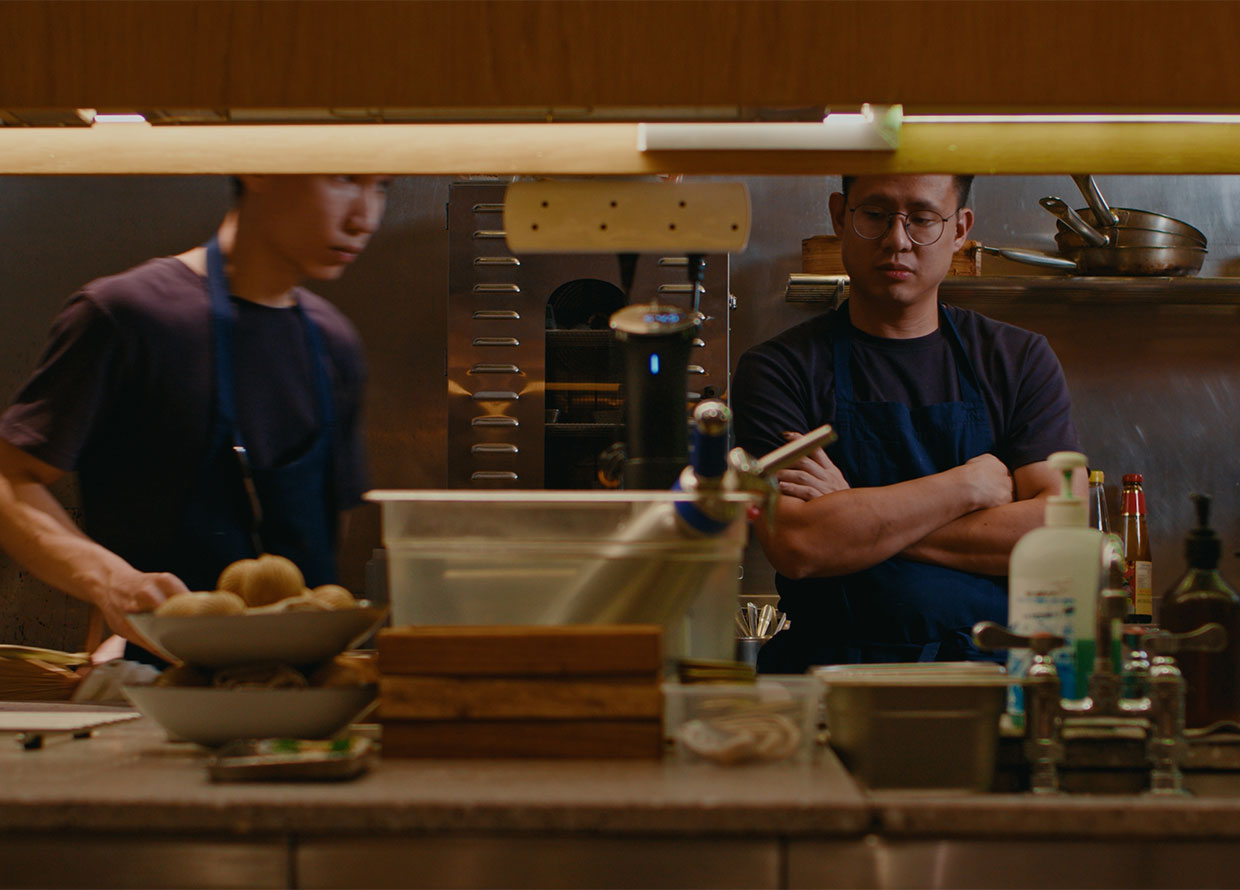
RC: It was making sure we gave the chefs and bartenders the chance to tell their story in their own words, whilst elevating this with cinematic film craft. I wanted to celebrate their processes, their craft and their philosophy in their own voices, rather than relying on a single third-party narrator throughout the film. Chris and I made this our north star very early on, where the main narrative is led by Johnson and Shen, and our host would support the story.
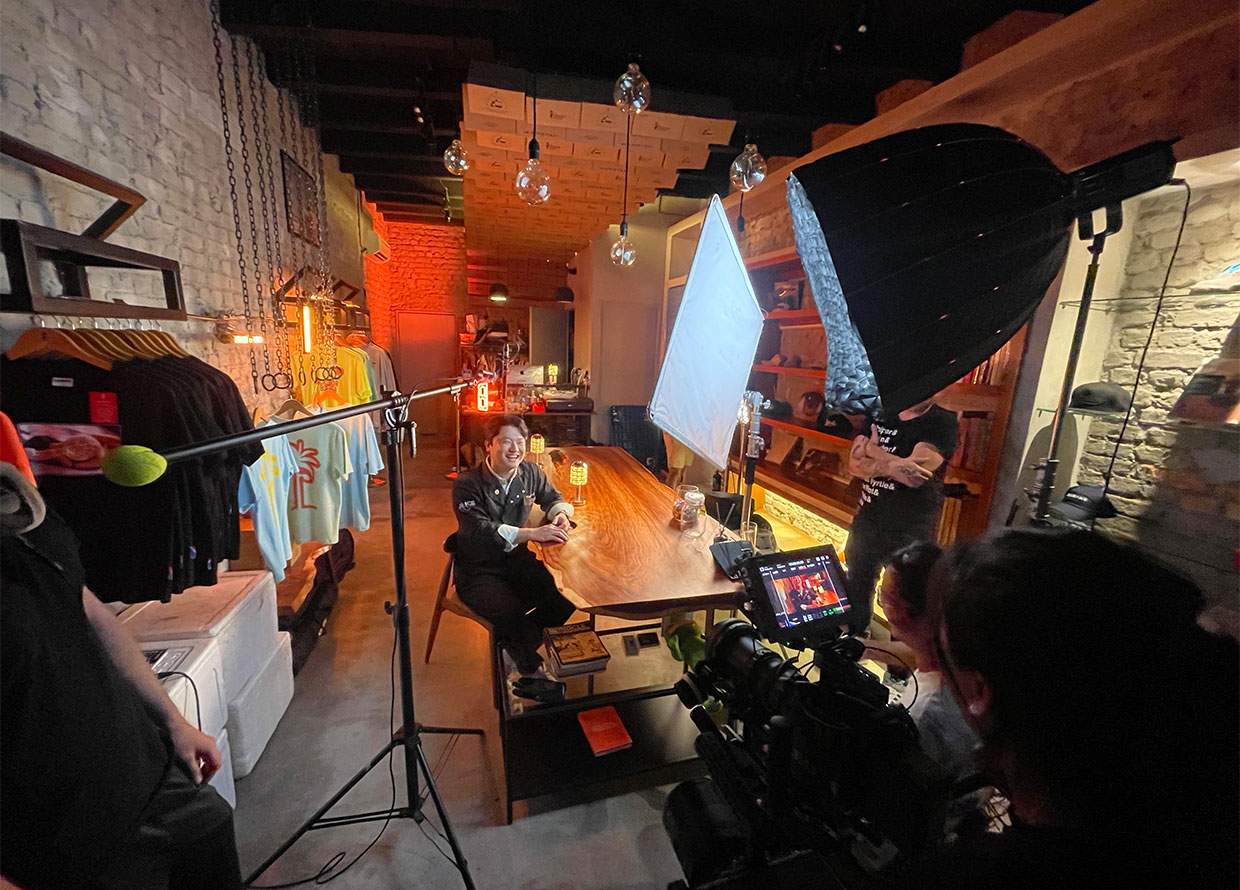
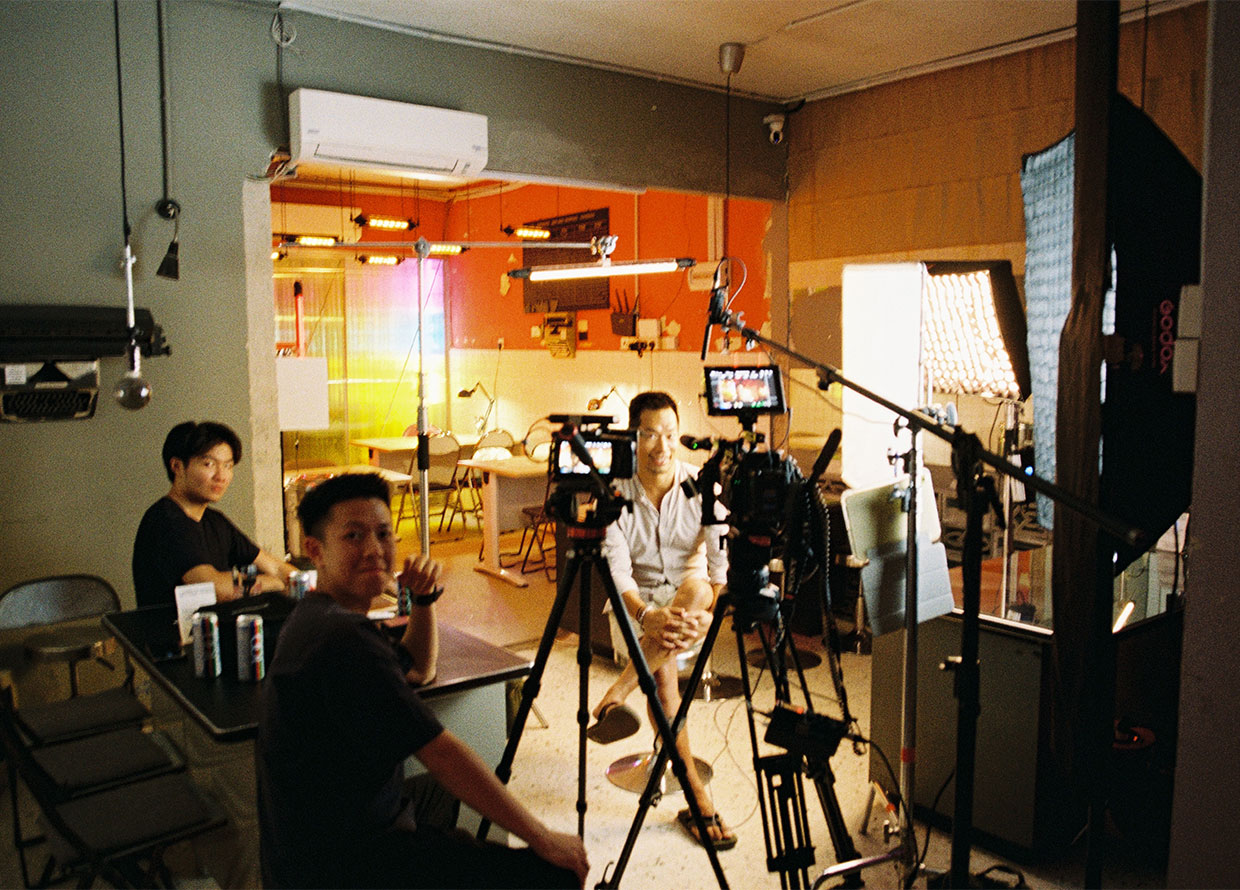
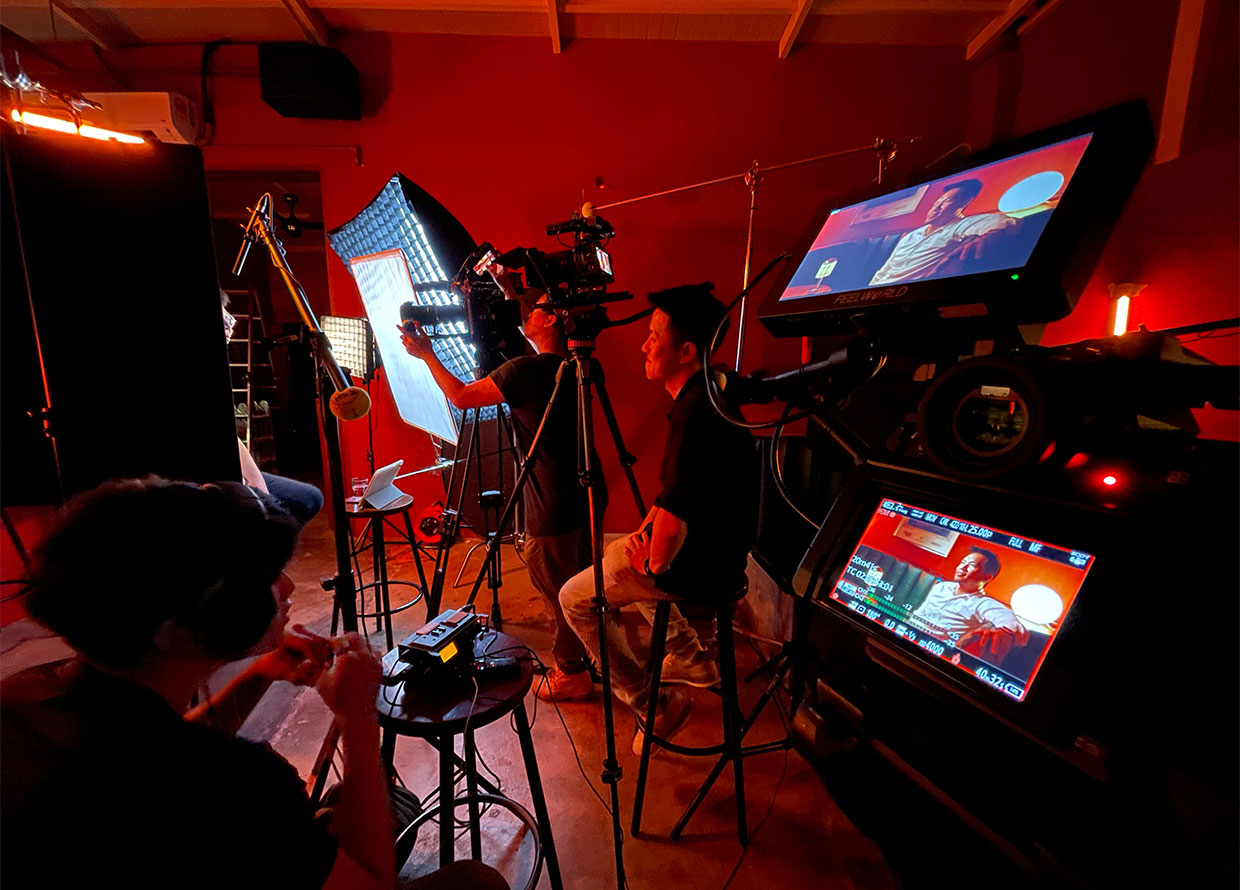
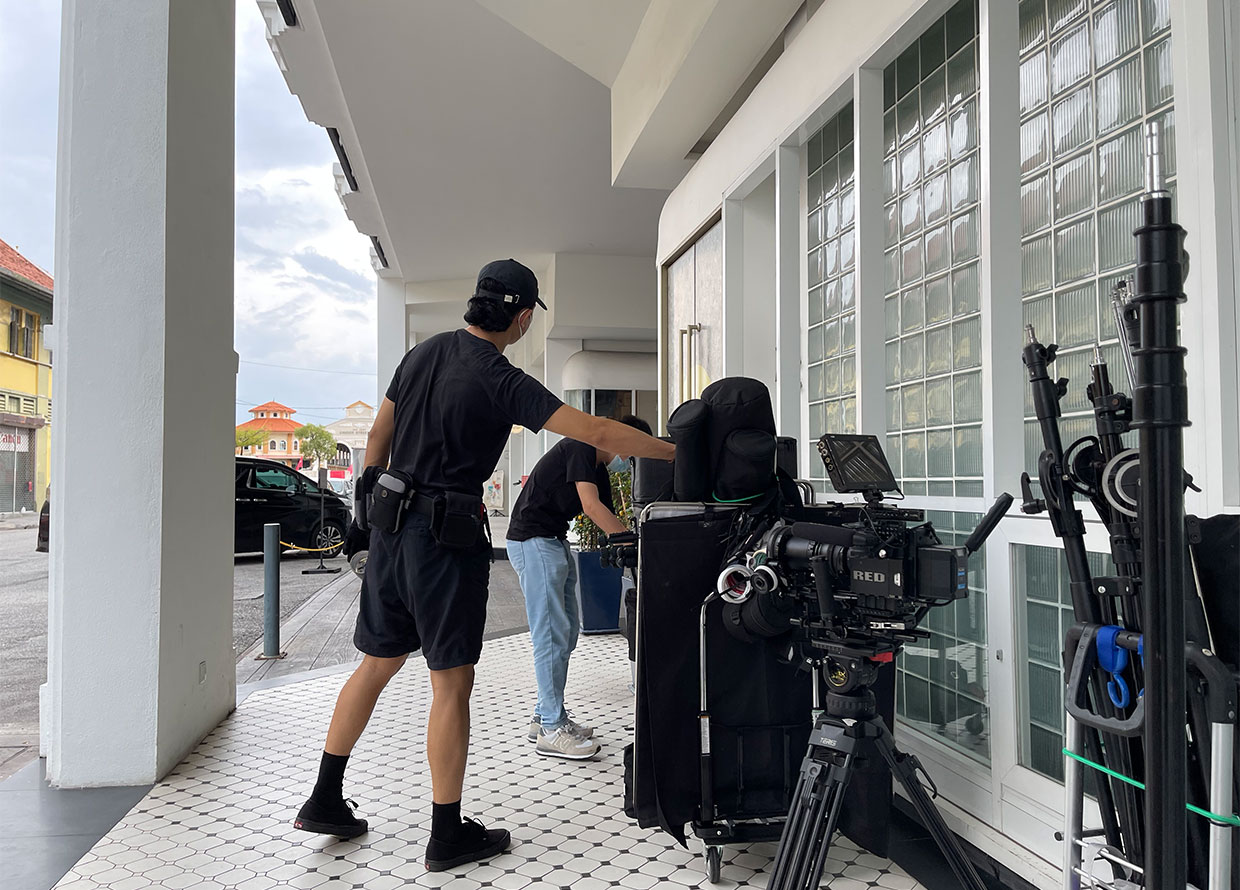
On a technical front, we carefully studied how other filmmakers of Netflix food documentaries and shows shot their films. We used similar Netflix-approved cameras (Red Epic, Sony FX3), a strict philosophy of only using prime lenses (Zeiss Classics), and similar lighting setups, albeit on a more scaled-down independent scale.
Most of the time we shot with less than five crew members, and other times it was just myself and Chris with the camera. Even though we had extremely limited resources, I wanted to prioritize the high-end look and feel of this documentary. Lastly, to ensure that our storytelling had international resonance, I had my mentor Andrew Gooi, an Emmy- & James Beard Award-winning director, consult us along the way. This definitely helped to make sure we were moving forward in the right direction for the story.
CC: With my experience in public relations and other documentaries, I wanted to steer clear of any notion that this was going to be a public relations campaign only featuring sunshine and rainbows, but something more grainy, rough and realistic. I believe that as you experience more of life, you expect the media you watch to reflect the ups and downs that you’ve also had to deal with. In a way, it’s our way of creating a more empathetic connection with our audience.
Filming a documentary like this can be hard to plan to a tee. How did you make sure things stayed on track?
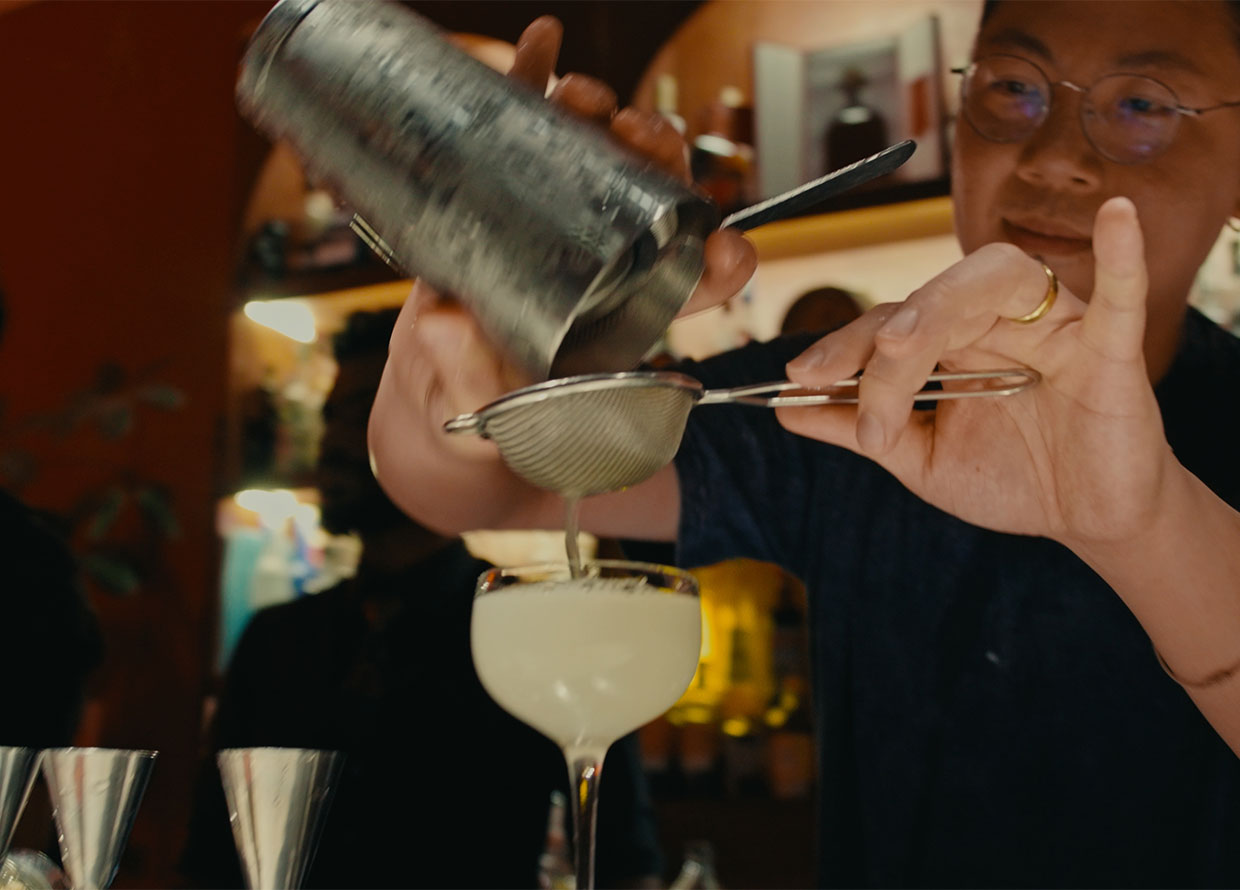
RC: We had to stay flexible, nimble and open-minded. The key was going with the flow and playing into the natural progression of the story. This meant that, in a sense, Shen and Johnson were co-directing the stories too. They would tell us what unique things were happening and what the most interesting moments to capture were. It was a lot of careful listening to fully capture their perspectives and make sure the story progressed in the right direction.
CC: Interviewing successful business owners as subjects for a documentary can be a challenge, especially when they are representing their own brand. You need to respect that this is their livelihood. However, sometimes you know the story needs them to say something that might feel unpleasant, but it’s hard to get it out of them because they want to protect their story or their image. I use the old cliché of the good cop, bad cop to coax it out of them, or repeat the question in different ways until we get the response needed to advance the story.
Similarly, how did you welcome unexpected changes or moments?
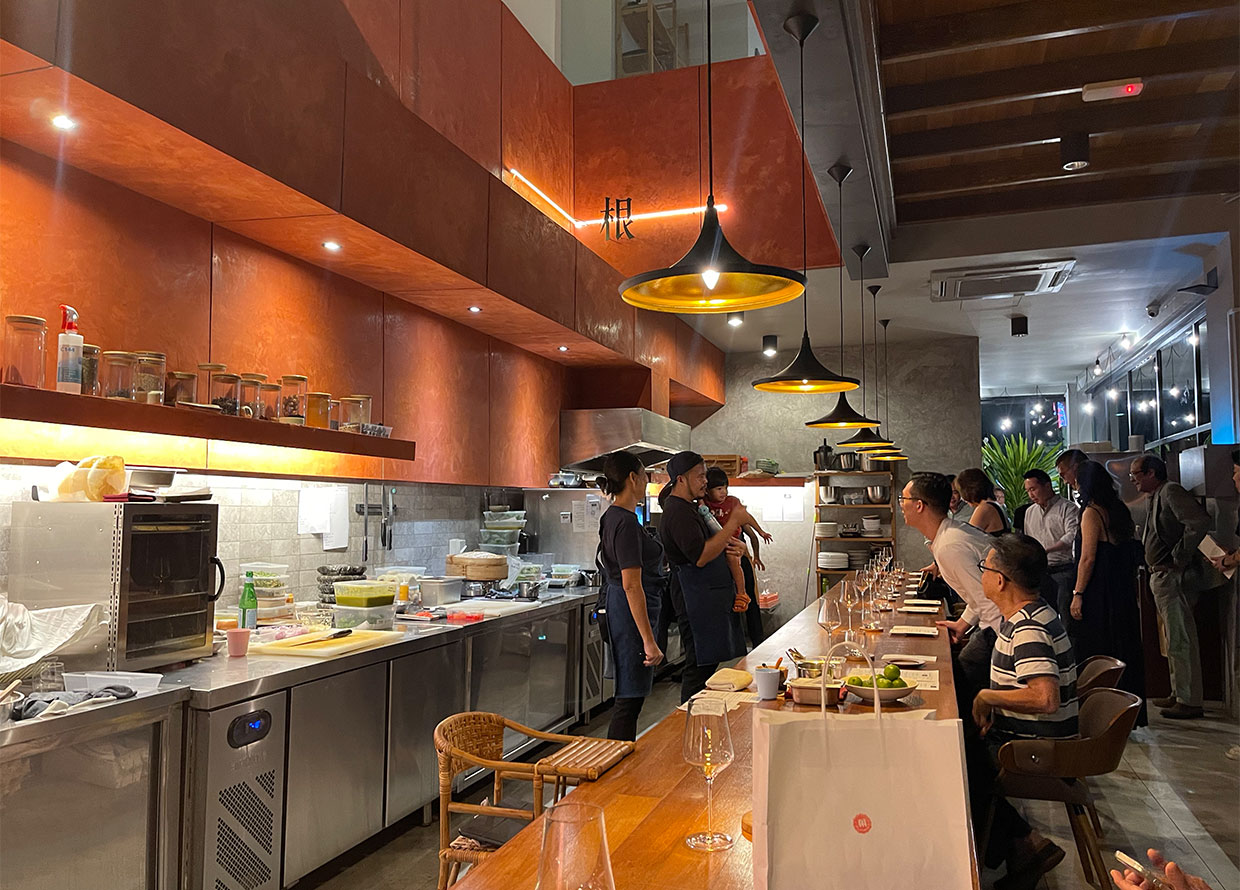
RC: I think we were very lucky in the sense that we cast the right chef and bartender to work with, where their lives and their processes were naturally interesting, so when things took an unexpected turn we found interesting ways to integrate these events into the story. For example, Shen suddenly told us there would be a guest shift by rockstar bartender Kiki Moka from The Cocktail Club Jakarta, and that was a pleasant surprise that made it into the final cut.
When it came to unexpected schedule changes, we just needed to roll with the punches, be patient and reschedule, as we knew Shen and Johnson were busy running the day-to-day operations of Backdoor Bodega and gēn.
On the other hand, how did you deal with things going awry, if ever, or straying from your plans?
RC: Initially, I thought this project would take just a year at most to complete. Little did I know it would take four times as long. It was a lot of waiting for Shen and Johnson’s story to evolve, and that definitely needed time.
Essentially, we were growing alongside gēn and Backdoor Bodega. To deal with unexpected delays, I had to constantly remind myself and my team that good stories and films take time to grow and complete. It was very difficult to explain to my team why it was taking so long, but ultimately we all trusted the vision that something good was brewing like fine wine.
We had the inside joke that this project was named ‘The Suffer Club: Penang’ after the second year of shooting and editing. Overall, it was all in good fun, finding joy in difficult situations that helped us pull through.
CC: The film took longer than any of us imagined, almost four years, and that was the biggest surprise for me. It made me realise that my little contribution of writing and hosting is just one fraction of the whole project, and it has to go through many hands and iterations to bring it to its final form. In the end, I had a lot of respect for the patience and resilience of everyone involved to see the project through.
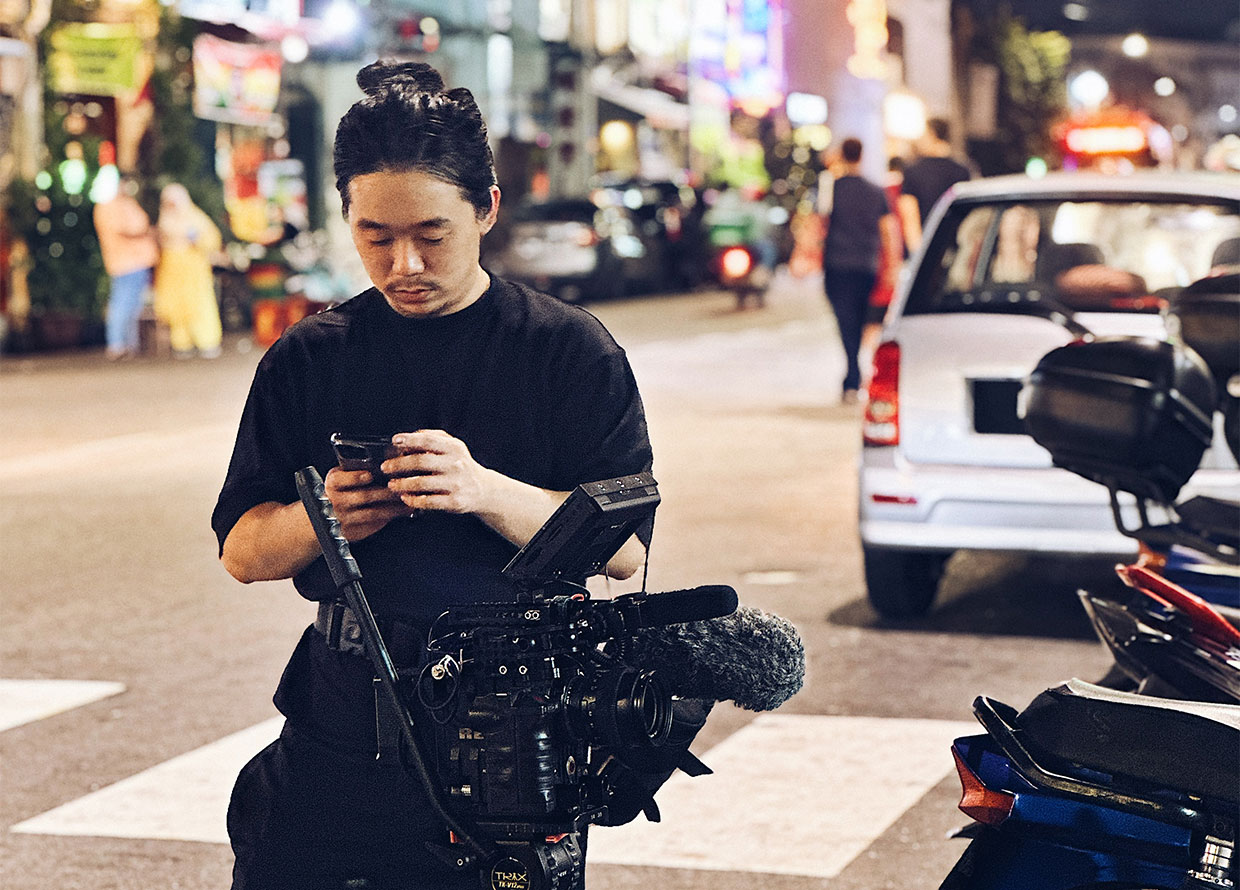
Robert, this is not your first time covering the food & drink industry. What draws you to work with this scene?
RC: I’m a huge foodie, and eating and exploring is basically a hobby of mine. By extension, I love capturing stories related to food & drinks. I realised very early on that every stall, restaurant, and speakeasy serving delicious food and cocktails often has a great story—not just in how it’s made, but also the people behind it. Essentially, you taste the effort, intention, and craft that goes into their food and drinks, and this really gets me excited.
Running a restaurant and a speakeasy is also immensely challenging. It oftentimes leads to remarkable stories that surprise me and the audience. Listening to these tales behind the cameras is a fascinating experience, especially when the stories go deeply personal and the chef or bartender pours their heart out in front of the lens.
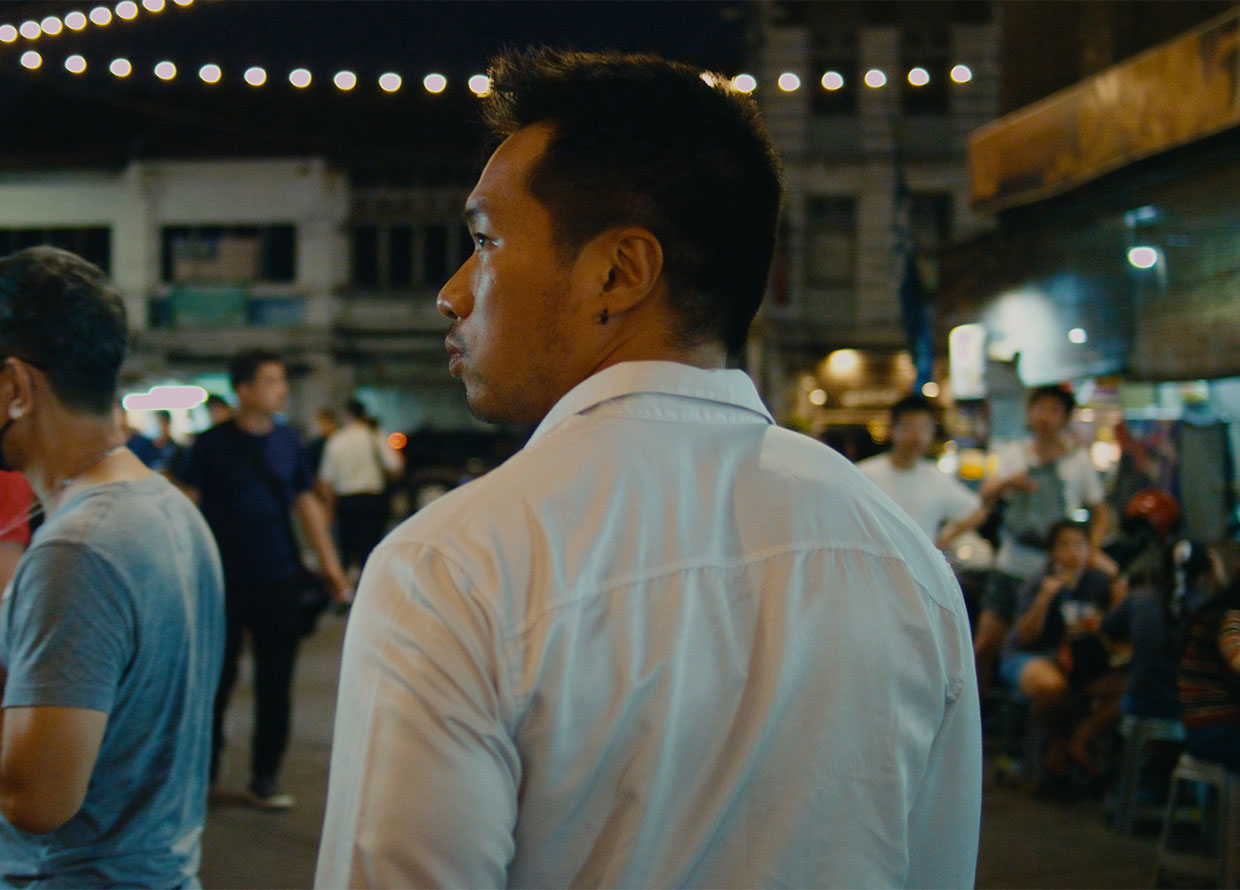
Chris, as a host, it’s your job to make sure the subjects feel compelled to tell their stories. How did you ensure that Johnson and Shen’s stories stayed honest, while keeping things captivating for the audience?
CC: Great question! Luckily, both business owners were well-versed in public relations and could tell captivating stories about their businesses. But to truly get into the nitty-gritty of their stories, you have to ask sometimes invasive and personal questions about their emotions, their near-failure experiences and their honest reflections. You have to balance their need to present the best side of themselves with the audience’s need to learn something fulfilling through their hardships. Sometimes you have to delicately chip away at their ego or vanity to uncover hidden gems of wisdom.
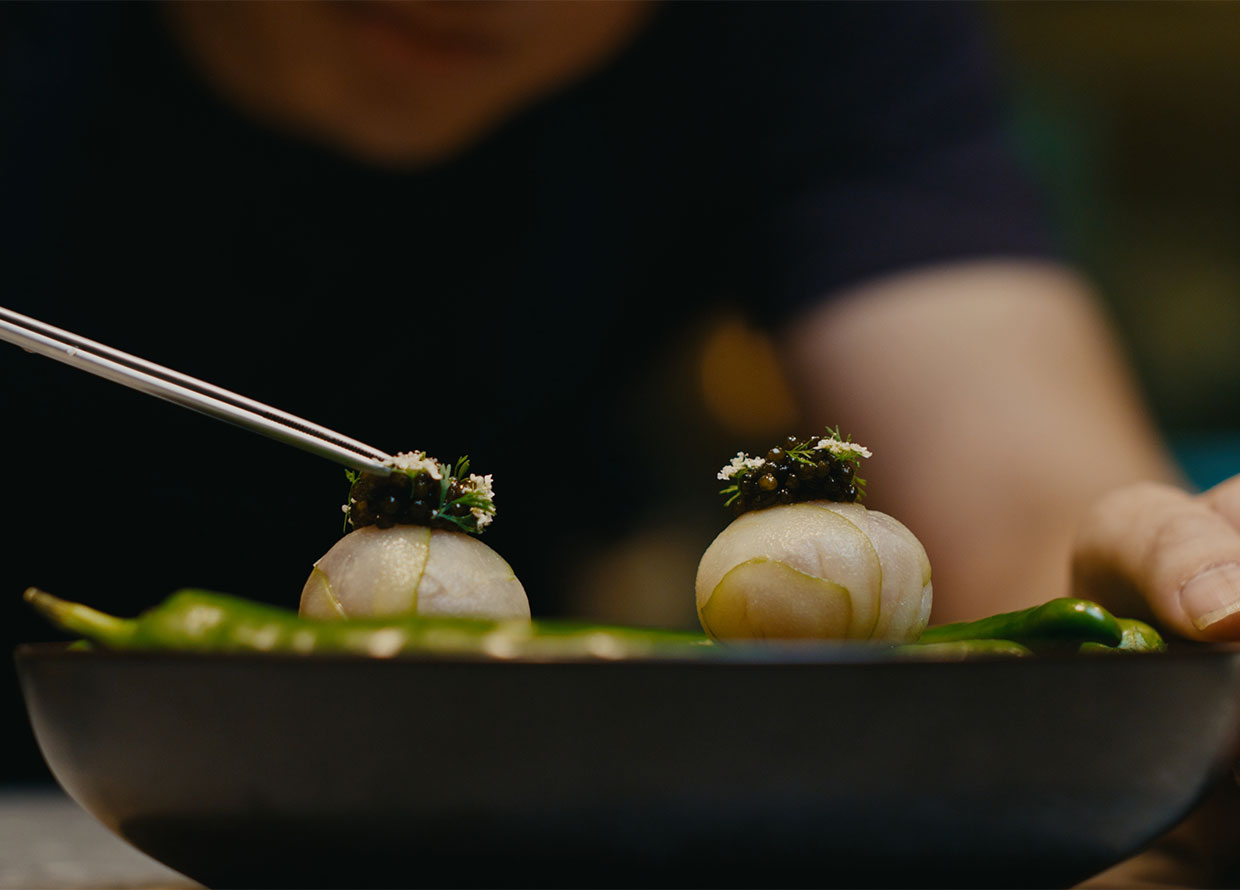
Johnson and Shen, as business owners/a chef/a bartender, why do you feel that it’s important to put yourselves out there in the spotlight for projects like this?
JW: When Robert first approached me, I didn’t have any expectations about how the film would turn out. But I’m incredibly grateful for the opportunity to share our Malaysian story through gēn. For me, it’s all about supporting the community. I truly believe that by lifting each other up, we can grow together and share Penang’s narrative with the world.
Penang is known for its street food, but our culinary scene is so much more versatile than that. Over the years, Penang has cultivated incredible local talent, and the dining landscape here has evolved immensely, offering experiences that go far beyond standard tourist expectations. Ultimately, I hope this project inspires people to look past the usual stereotypes and see Penang through a brand-new lens.
KS: Being part of this film made me realise that sometimes as business owners, we spend all our time and energy chasing greater heights and bigger achievements that we forget to look back and see the progress we’ve made over the years. It has made me appreciate the challenges, the milestones, and the people who have shaped the journey of Backdoor Bodega and my other subsequent ventures. It also gave me a renewed perspective on how to move forward and grow ourselves further.
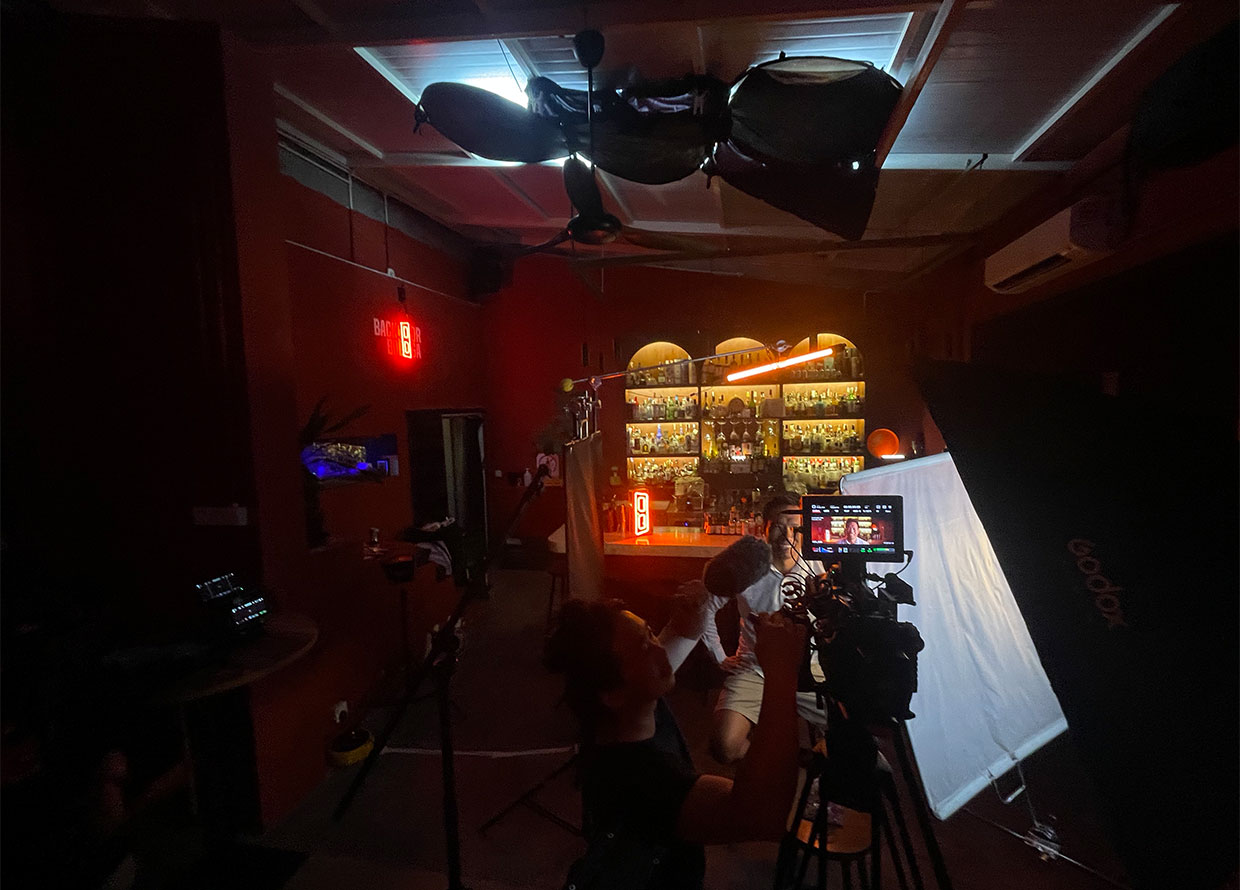
Aside from cravings, what do you hope for the audience to gain from this film?
RC: I really do hope they gain the spirit of a dreamer after watching the film. I want the audience to fully believe that they too can achieve something great if they put in the work, just like Johnson and Shen did, even if the circumstances and odds are immensely against them.
In a meta way of thinking, this film is also a testament to this spirit, taking four years to complete and trusting the process that something magical is along the horizon. Just like Shen and Johnson, we worked with extremely limited resources and yet had the ambition and hope to deliver world-class work that we can all be proud of. I also hope audiences are proud that Malaysia and Penang do have food and drinks that belong on the world stage beyond our street food.
CC: I would like someone who is an aspiring business owner to see that you don’t have to jump onto the already crowded tech bandwagon. There are still gaps and ideas missing in traditional industries, but you need to follow your craft and find in it what you love doing. Don’t just pick up a smartphone—think of other tools, like a frying pan or a cocktail mixer, that can further your craft.
Most importantly, give it the necessary time needed to master whatever you are doing. Don’t expect to become an overnight success; you’ll have to face and overcome prolonged challenges like Johnson and Shen had to.
JW: On one hand, we want to show the reality of the culinary world to inspire the next generation of F&B talents, proving that while it takes grit, passion and serious perseverance, there is beauty and reward in that dedication.
On the other hand, we want to give people a reason to travel to Penang for a completely different culinary experience. Penang is famous for its street food, but we hope this film encourages visitors to come try the modern, innovative side of our food scene as well.
KS: The footage and scenes from the film portray many stories and anecdotes that guests and even friends of Backdoor Bodega would have never known, and this storytelling gives an amazing insight into what made Backdoor Bodega the bar it is today. Hopefully, it not only inspires other bartenders to pursue their dream of running their own bar, but also gives cocktail lovers a new perspective into appreciating what bartenders do.
What do you feel like YOU have gained from making The Supper Club: Penang?
RC: This whole film has definitely instilled patience in me and taught me to trust the process. By nature, I wasn’t a very patient person, and crafting a timeless story, especially in a documentary format, means a lot of waiting around.
I’ve also gained even more appreciation for how meticulous the prep process is for fine dining and cocktails, especially the way that Johnson and Shen do theirs. It’s a lot of manual hand labour that requires hours and even days of work beforehand. Being able to film this brought a newfound appreciation for their craft.
I’ve also learned to trust in my own voice as a director and that I didn’t need to wait for permission from a larger studio to greenlight my film. After pitching the film to a few stakeholders and being rejected, it only fuelled my desire to bring this film to reality. That’s when my team and I decided to self-fund the film through savings from our commercial projects and use our own crews to make it a reality.
CC: I appreciate local artists more. As a tech founder, I’m used to working remotely with freelancers in other countries, and while I feel that way of doing things is efficient, it lacks the magic of working with someone in the same city.
There’s something missing socially in modern online work culture, and I formed a close bond shooting with the crew until 3 a.m. The best feeling was literally getting supper with everyone after shooting all night.
JW: Much like the culinary world, filmmaking demands an incredible amount of grit. Robert and his team showed me that their process is just as gruelling. They were shooting scenes repeatedly to capture the perfect perspective for the audience. Over the past four years, I’ve gained a massive respect for their craft. This film has truly given me a newfound appreciation for their dedication to telling our Malaysian story.
KS: Robert definitely captured so many different milestones of Backdoor Bodega over the past four years that I wouldn’t have managed to document in such an eloquent manner, and I am ever so grateful for that.
Follow The Supper Club: Penang on Instagram for updates on screenings and future projects.
Find more interviews here.
| SHARE THE STORY | |
| Explore More |