Exclusive: Manish Malhotra on Indian Couture and Artistry at Dubai Fashion Week 2026
The Malhotra touch

When it comes to Indian couture, few names carry the weight and glamour of Manish Malhotra. For decades, he has been the architect behind some of Bollywood’s most iconic films, designing the vibrant costumes of Rangeela, the romantic elegance of Mohabbatein, the playful charm of Kuch Kuch Hota Hai, and the opulent grandeur of Kabhi Khushi Kabhie Gham.
It doesn’t stop at the silver screen. On red carpets around the world—from Aishwarya Rai’s bespoke saree at Cannes to Coco Jones making her statement at the Met Gala—his designs carry a sense of celebration and unmistakable Indian artistry.
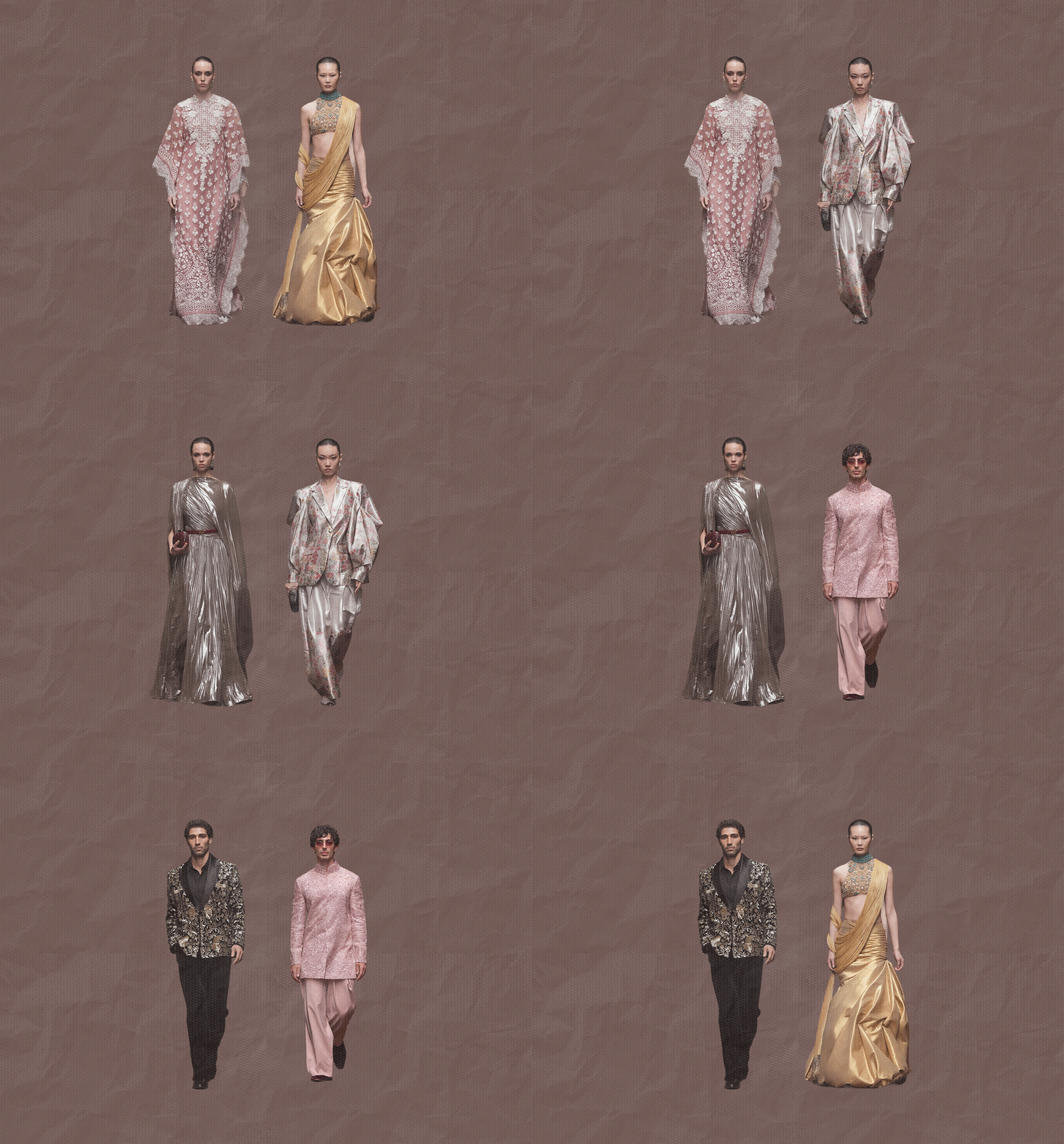
Most recently, he brought this vision to Dubai Fashion Week, closing the season with Inaya: The India Story. The collection was a living tapestry of Indian craftsmanship, from delicate Chikankari embroidery sourced from Mijwan to jewelled lehengas, structured menswear, and flowing womenswear. It showed how tradition and contemporary couture can exist in harmony.
In an exclusive conversation, Manish Malhotra opens up about the inspirations behind his latest collection, the artisanship that drives his vision, and the future of Indian couture.

What’s the inspiration behind this collection, and where did it begin for you?
Inaya: The India Story began with a simple question: what does Indian heritage mean to us today? I have worked closely with artisans for many years, from the women empowered through the Mijwan initiative for Chikankari to the craftsmen creating Kashmiri Aari and brocade weaves. This felt like the right moment to present that connection in a softer, more romantic way—I wanted it to feel light and contemporary, not heavy or traditionally expected.
The starting point was movement: liquid drapes, free-flowing silhouettes, garments that float beautifully as you walk. For me, this collection is about emotion. It honours tradition while presenting it in a modern, global way that is both relevant and romantic.
Was there a particular textile or embroidery that shaped the mood this season?
Lace played a central role this season. In menswear, layering lace in the sherwanis introduced a new kind of elegance—poised, yet strong—adding sculptural form without ever feeling excessive. For womenswear, the focus was on lightness and fluidity: fabrics such as tissue and organza move naturally with the body, creating the effortless grace I envisioned. Pearls and crystal accents were meticulously placed by hand, casting a soft, subtle glow. Together, these elements shaped a mood that feels romantic, refined, and beautifully controlled.

You recently launched MM Accessories. How do they complete the collection?
Accessories change the mood of a look in a defining way, and for us, it feels completely natural. They are never merely additions—they shape the final statement. This season, the sculptural evening bags lend strength to delicate silhouettes, balancing romance with a contemporary edge. The garments tell one story, and the accessories complete it.
Which piece from this collection do you hope will still feel relevant years from now?
I think the fluid, draped silhouettes will always remain relevant because there is something inherently timeless about softness and movement. When a garment flows effortlessly, it transcends trends and resists the passage of time. These pieces are shaped by craftsmanship and care, and garments born from such dedication have a lasting relevance that endures for years.

Your work has long celebrated Indian craftsmanship. How are you reinterpreting heritage for a global audience today?
Indian craftsmanship is incredibly rich and detailed, so for a global audience, it is essential to refine carefully. It is about giving the craft room to breathe within modern silhouettes and clean, structured lines. Heritage should never feel heavy or costume-like—it should feel alive, wearable, and contemporary. When you honour the techniques while presenting them with balance and clarity, the work naturally resonates across cultures.
What does contemporary glamour look like to you right now?
For me, contemporary glamour is confident and effortless. It is not about being loud, but about presence—a quiet command of attention. The modern Indians are rooted in their culture yet completely comfortable on a global stage. That balance between tradition and modernity defines glamour today.
Looking ahead, where do you see Indian couture heading over the next decade?
I see Indian couture becoming even more influential on the global stage, because our craft traditions are unmatched. When combined with a strong design language and a bold creative vision, they become incredibly powerful. Over the next decade, we can expect to see more collaborations and deeper global conversations. At its heart, couture will always remain about emotion, artistry, and the human hand. That foundation will never change.
In case you missed it, watch the show here:
For more fashion reads, click here.
| SHARE THE STORY | |
| Explore More |


