How GoRental Global Flips the Switch in Rural Chiang Mai
Electrifying endeavour

The burning season was at its peak. Mountainous terrain faded behind the haze, which seemed to thicken by the minute, pushing the mercury past 37 degrees Celsius. The heat dissipated for a moment in the air-conditioned off-roader en route to Chiang Mai’s Huay Nam Rin village, but the drive was by no means easy. The last stretch of the two-hour expedition was particularly gruelling as a local driver navigated the narrow dirt roads.
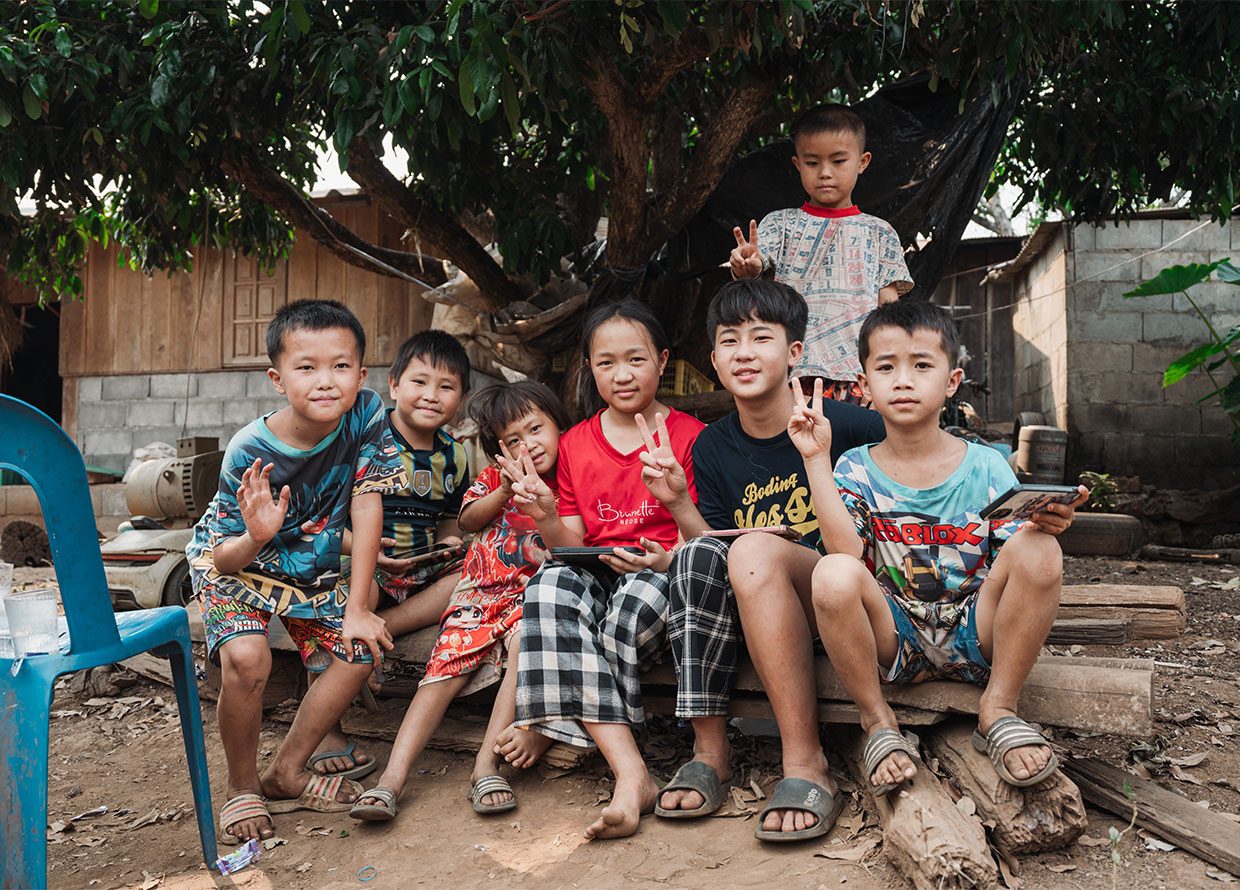
Feeling disoriented from being thrown around in the backseat, I redirected my gaze to the chrysanthemum and passionfruit farms that drifted past the windows, trying to catch a glimpse into the lives of the people here. Fragments of the story started coming together by the time the overland vehicle came to a stop, corroborated by the warm welcome from the Hmong community, who had gathered outside their homes to greet the convoy.
The scenery was not unlike what I often see when returning to my own hometown: children colouring on the porch, teenagers tending to the livestock, and grown-ups manning the barbecue inside an oil drum. But what seemed familiar quickly revealed how little I truly understood it. That semblance of comfort dissolved when the harsh realities of life here came into focus. Behind the smiles, many struggles remained, chief among them being the absence of reliable electricity.
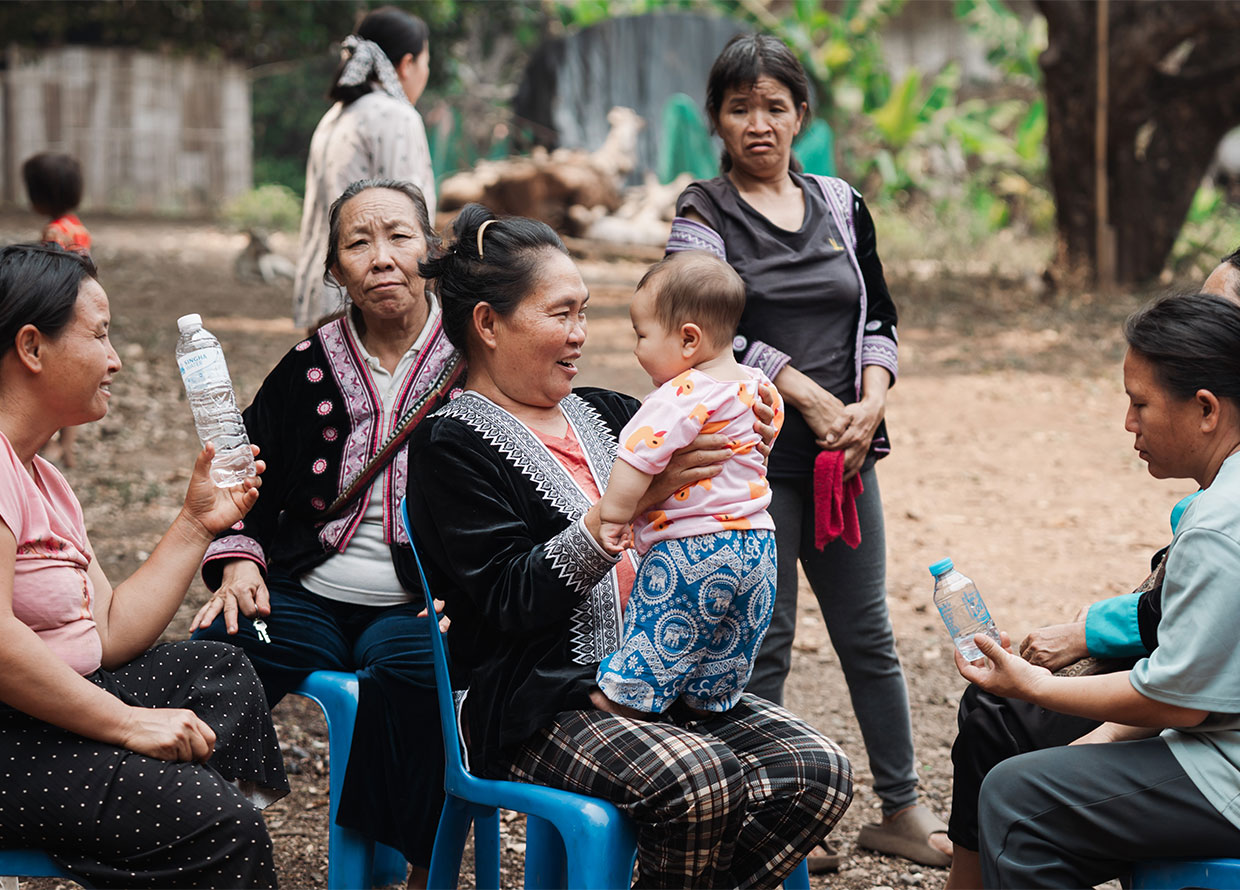

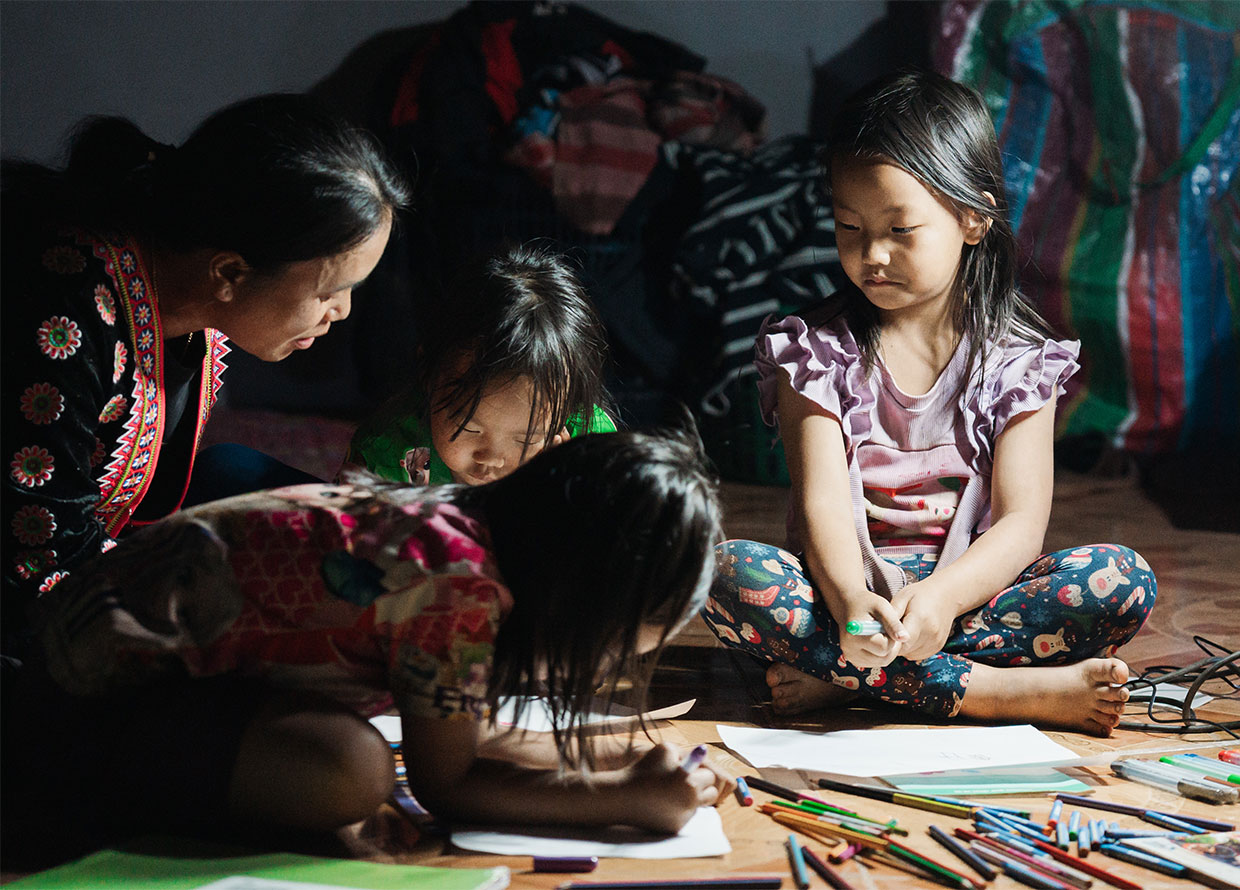
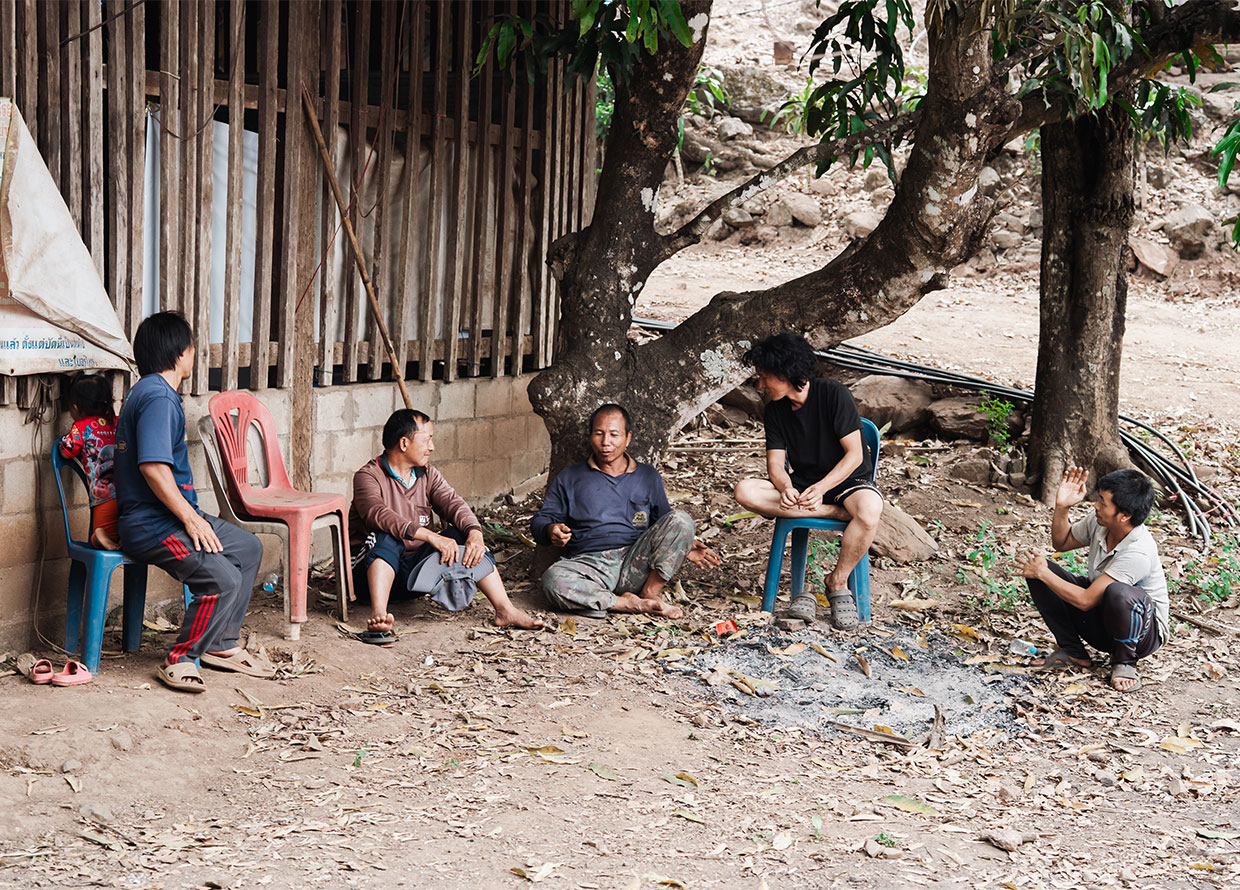
Conservations with the villagers, who invited me into their homes, revealed that many spent their evenings in darkness. Those with a little to spare relied on the costly diesel-powered generators. Over the years, the piling setbacks had taken a toll on the population count as the younger generation flocked to the big city in pursuit of a better life. Out of 200 residents on record, only 60 remain today. Huay Nam Rin is sinking into obscurity.
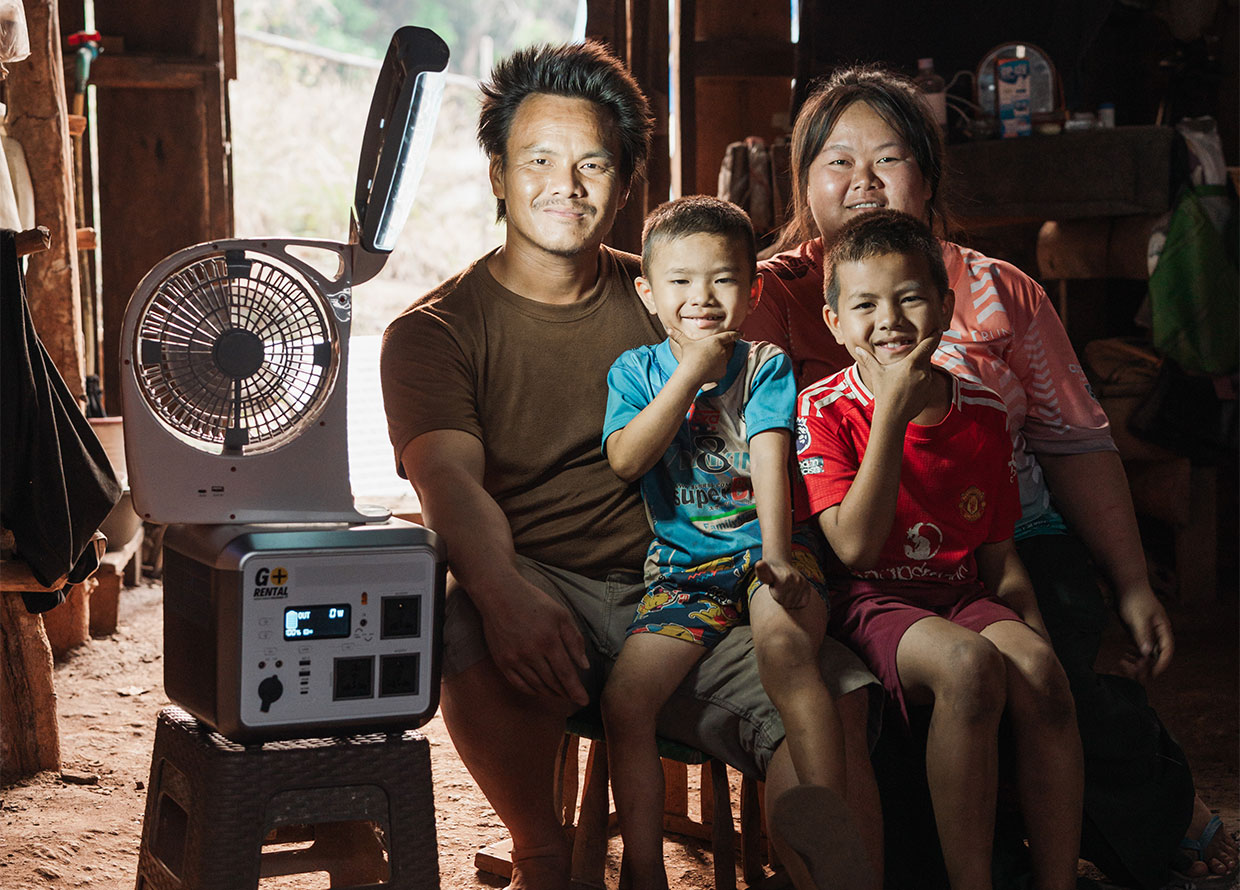
Then comes GoRental Global. Through its #GoImpact initiative, the Singapore-based company empowers underprivileged communities with decentralised energy solutions—systems that generate and distribute power locally rather than relying on a central grid. What this means for the locals is access to modular solar and battery systems—flexible, scalable equipment that can be easily transported and set up—to provide off-grid electricity.
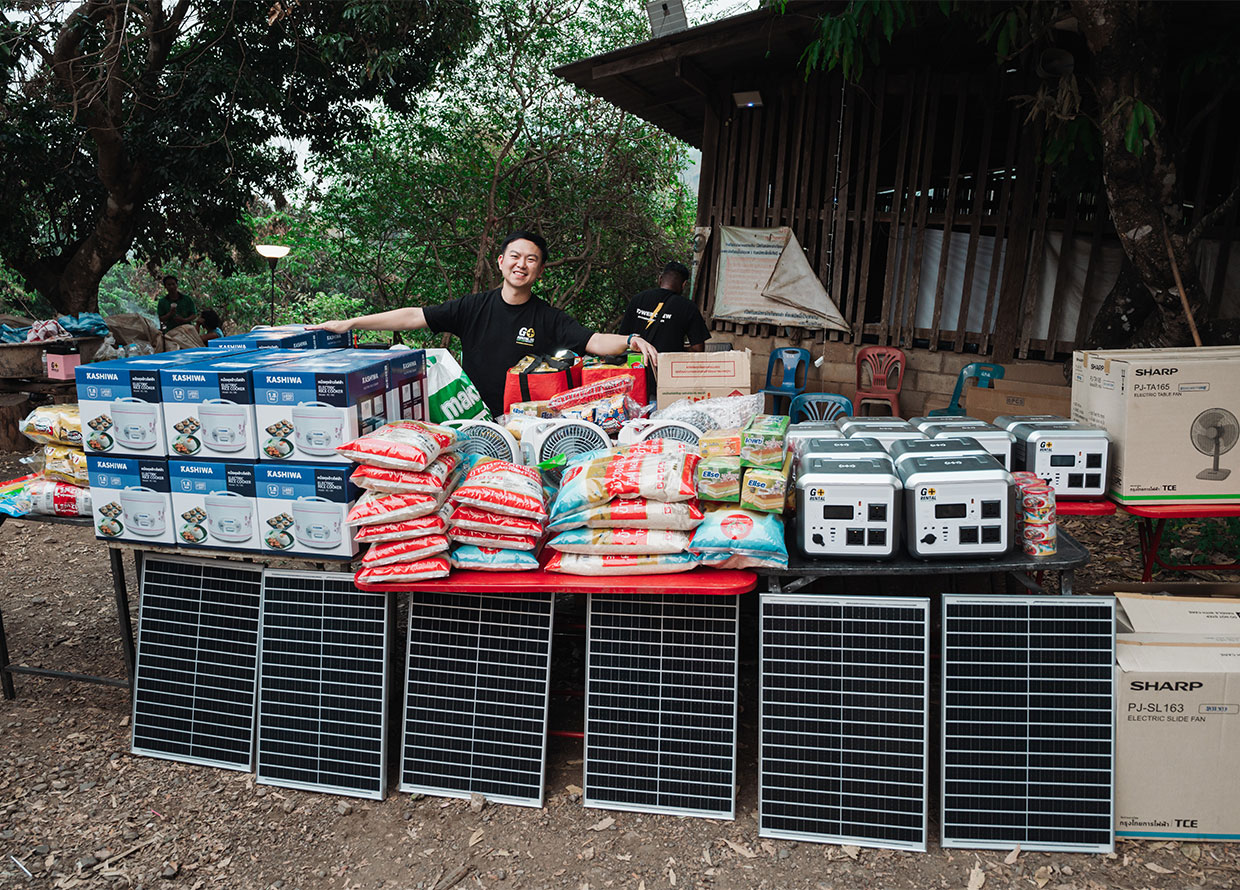
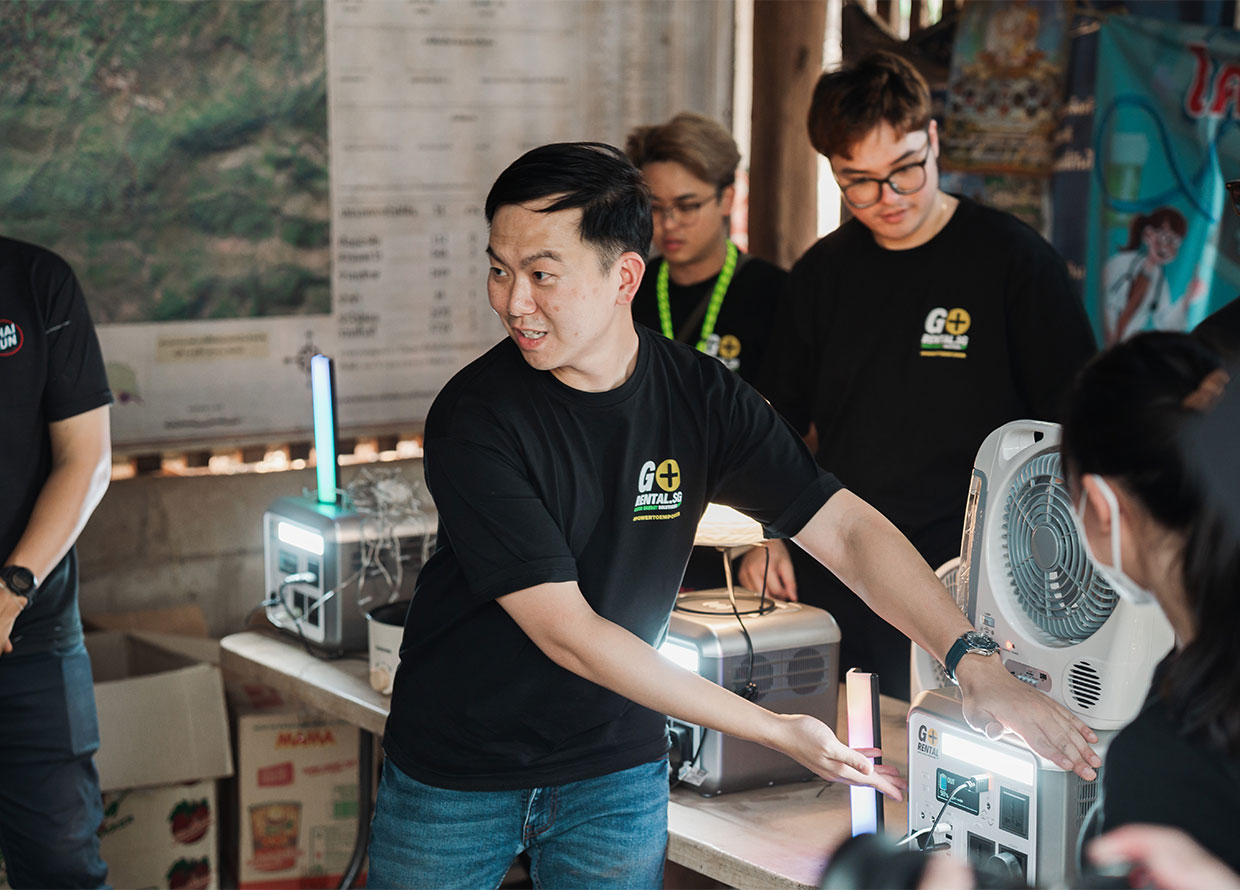
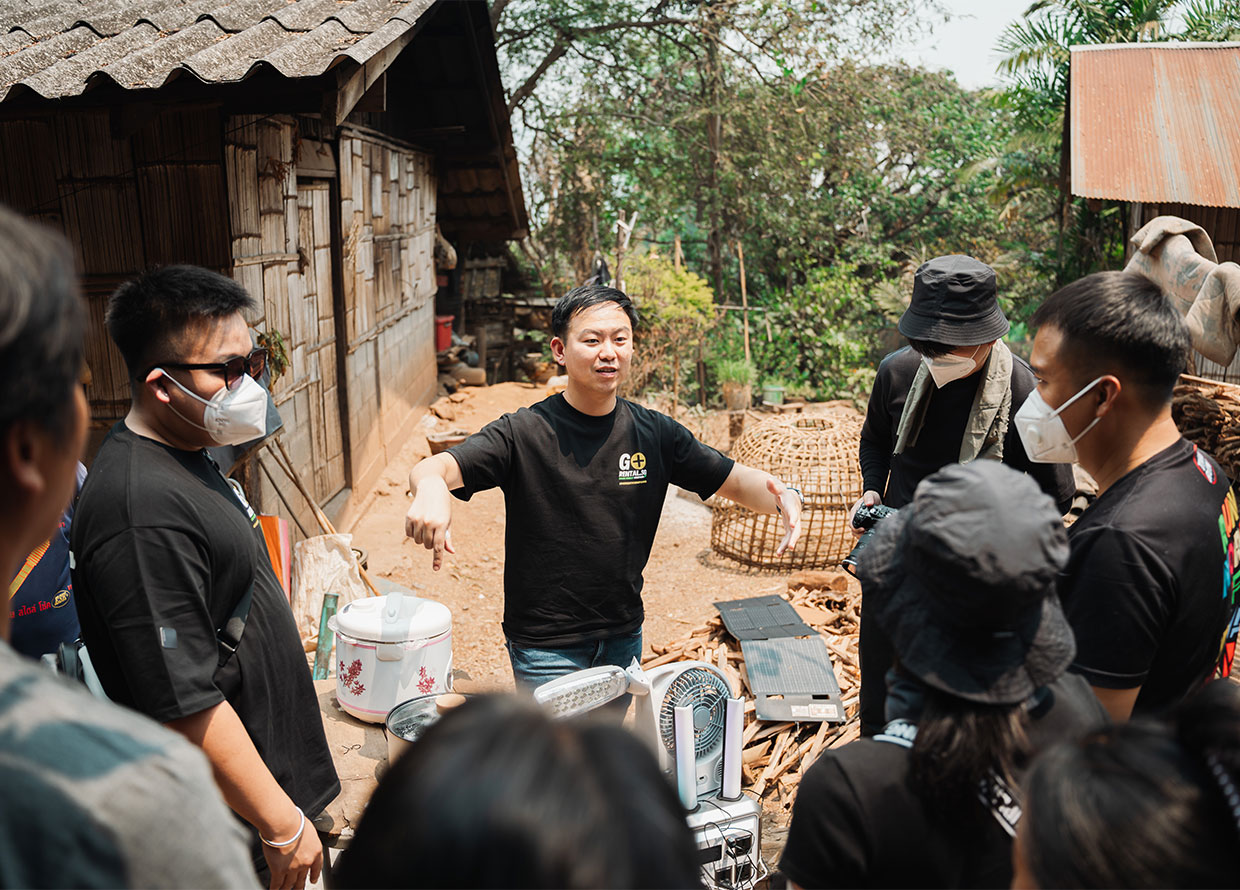
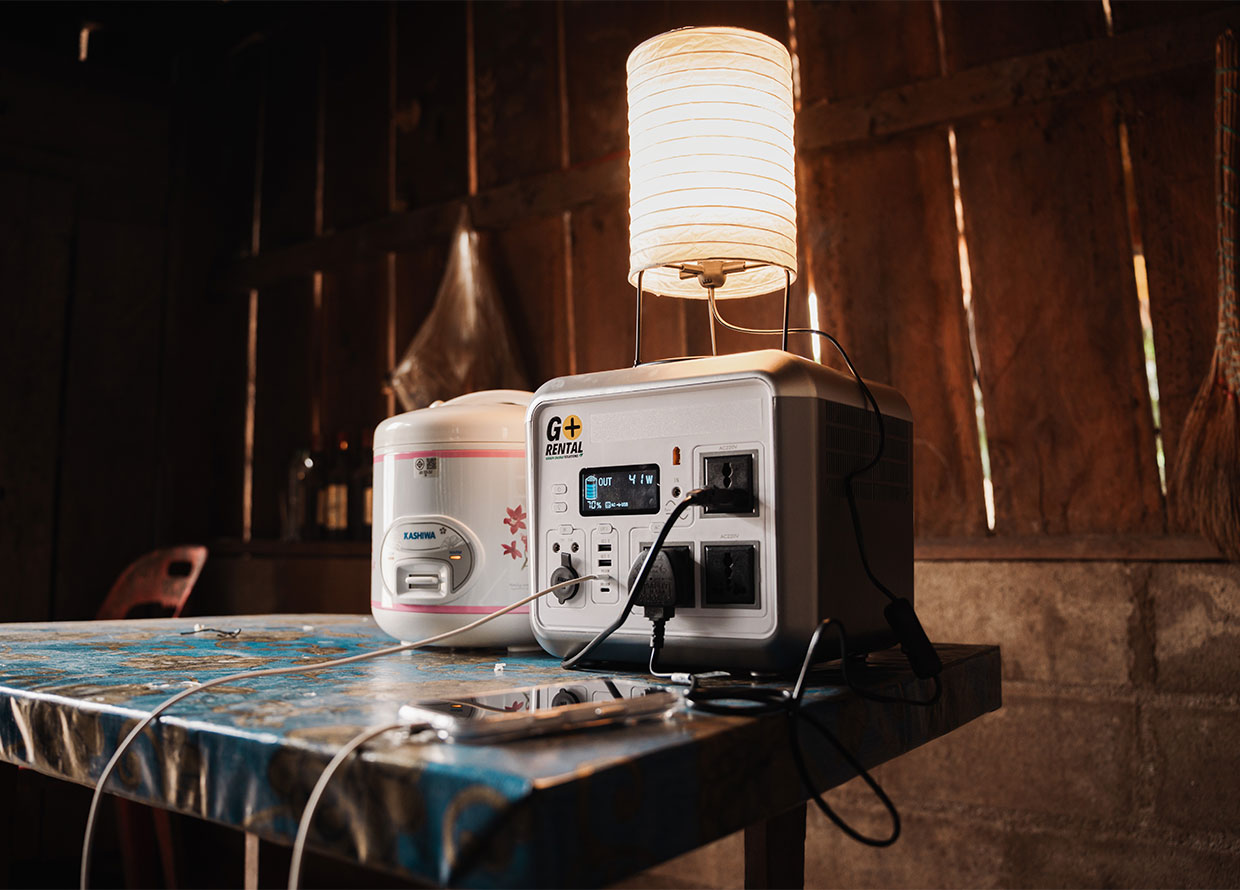
“Reliable electricity changes more than a room after dark. It affects how families live, how children study, and whether a community feels it still has a future,” said founder Colin Peh. “If we already have technology that works, then the question becomes where else it should go. It should not stop at events or commercial sites. It should reach communities that have been waiting for something as basic as dependable power,” he added.
Putting words into action, Peh led his team and select media outlets on the impact mission, 60 solar panels and 31 portable battery energy storage units in tow. What’s more special, the outreach programme looked beyond the simple act of supplying the infrastructure. GoRental Global also helped the villagers build local know-how by providing them with a crash course in running and maintaining the system.
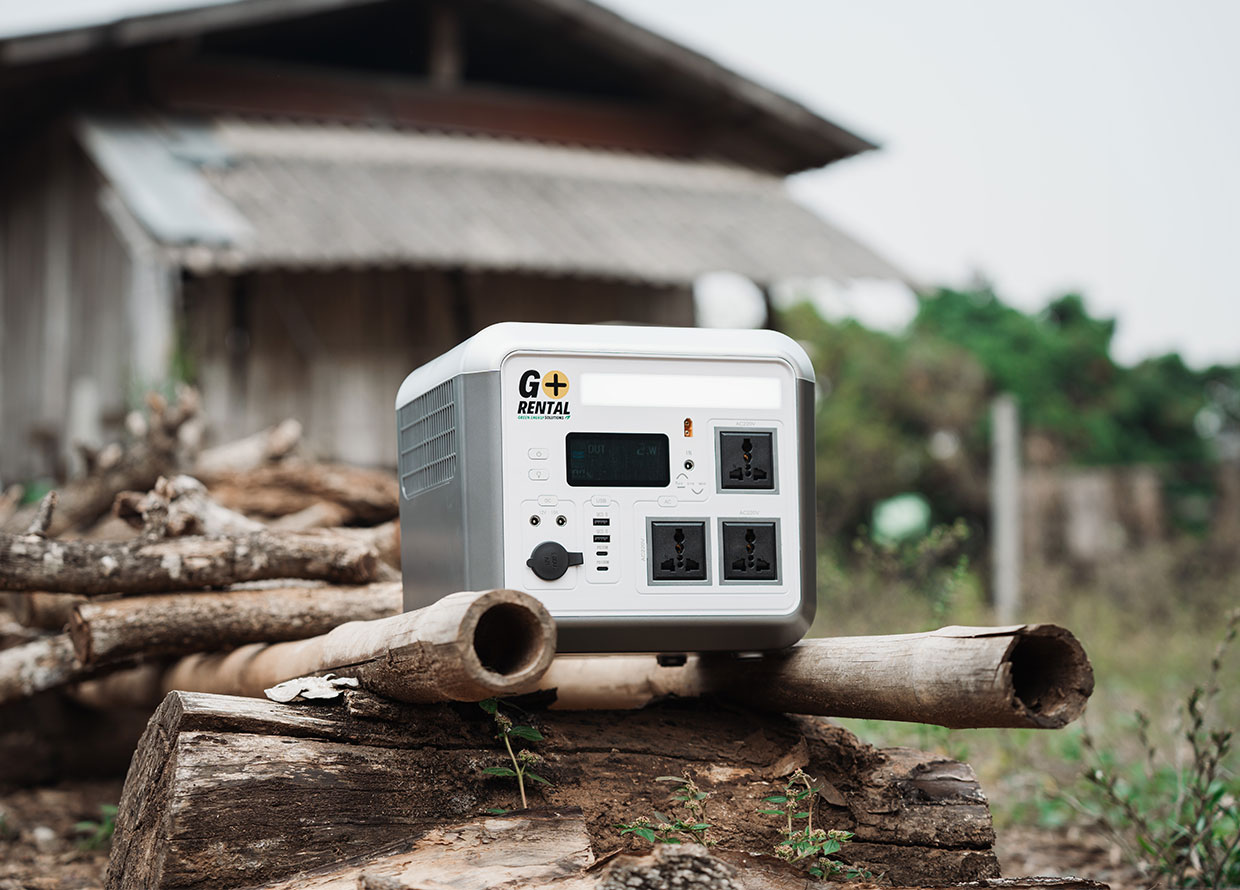
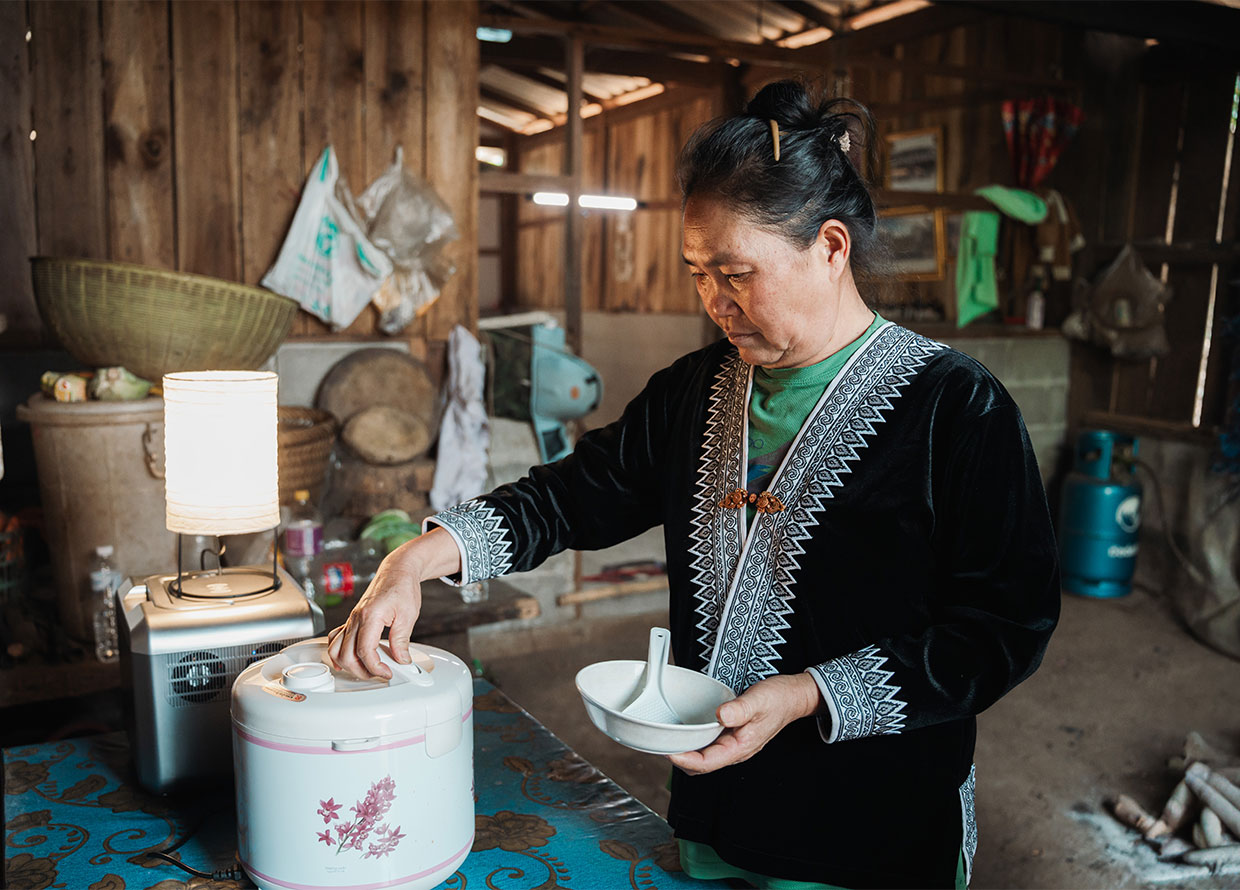
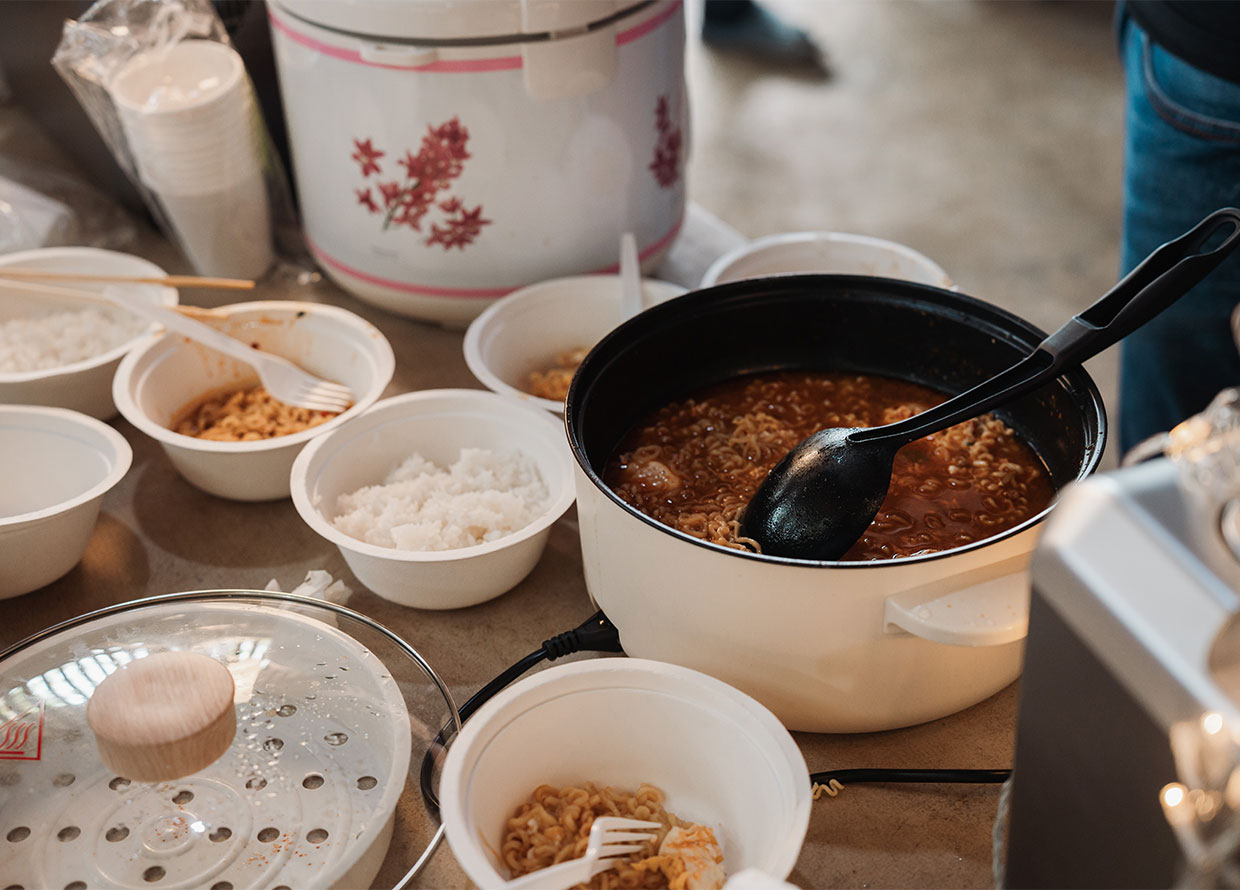
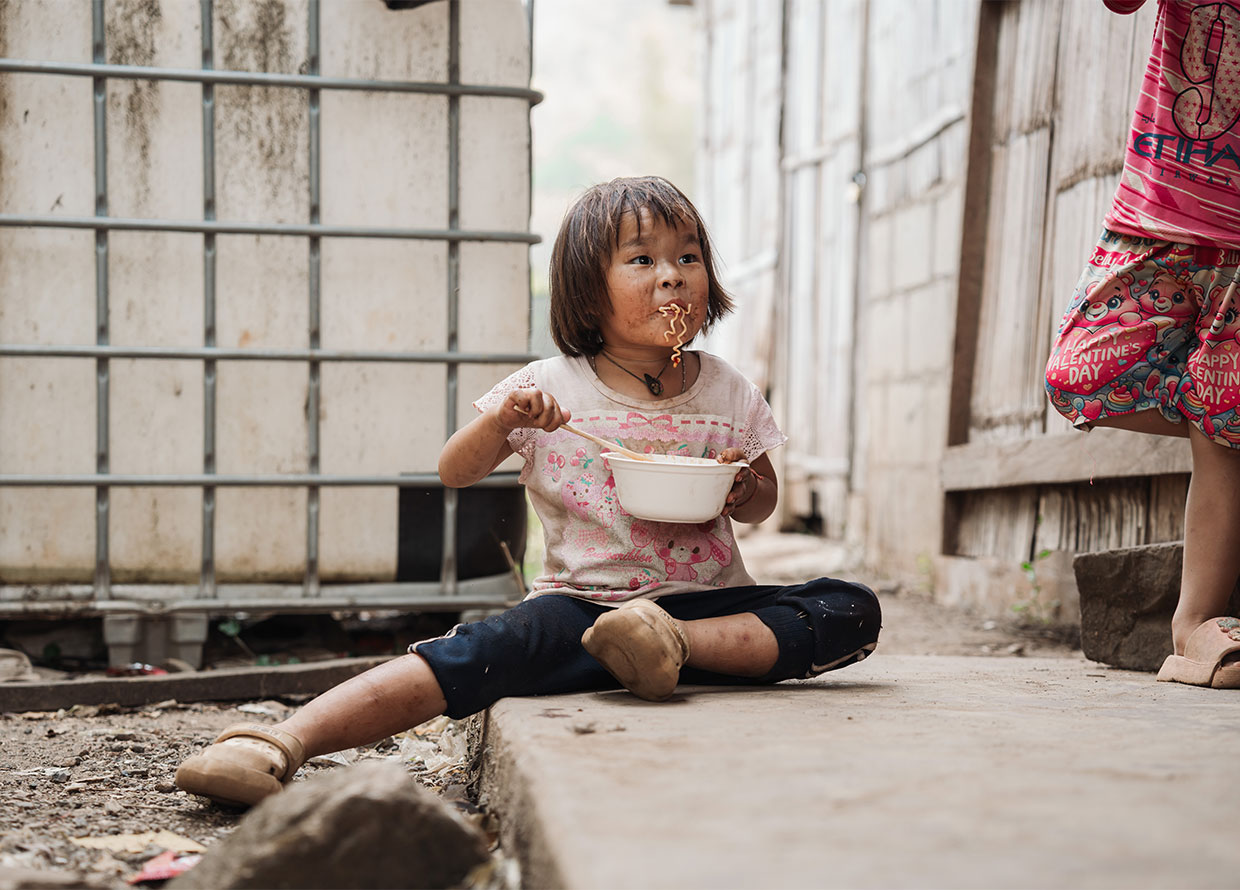
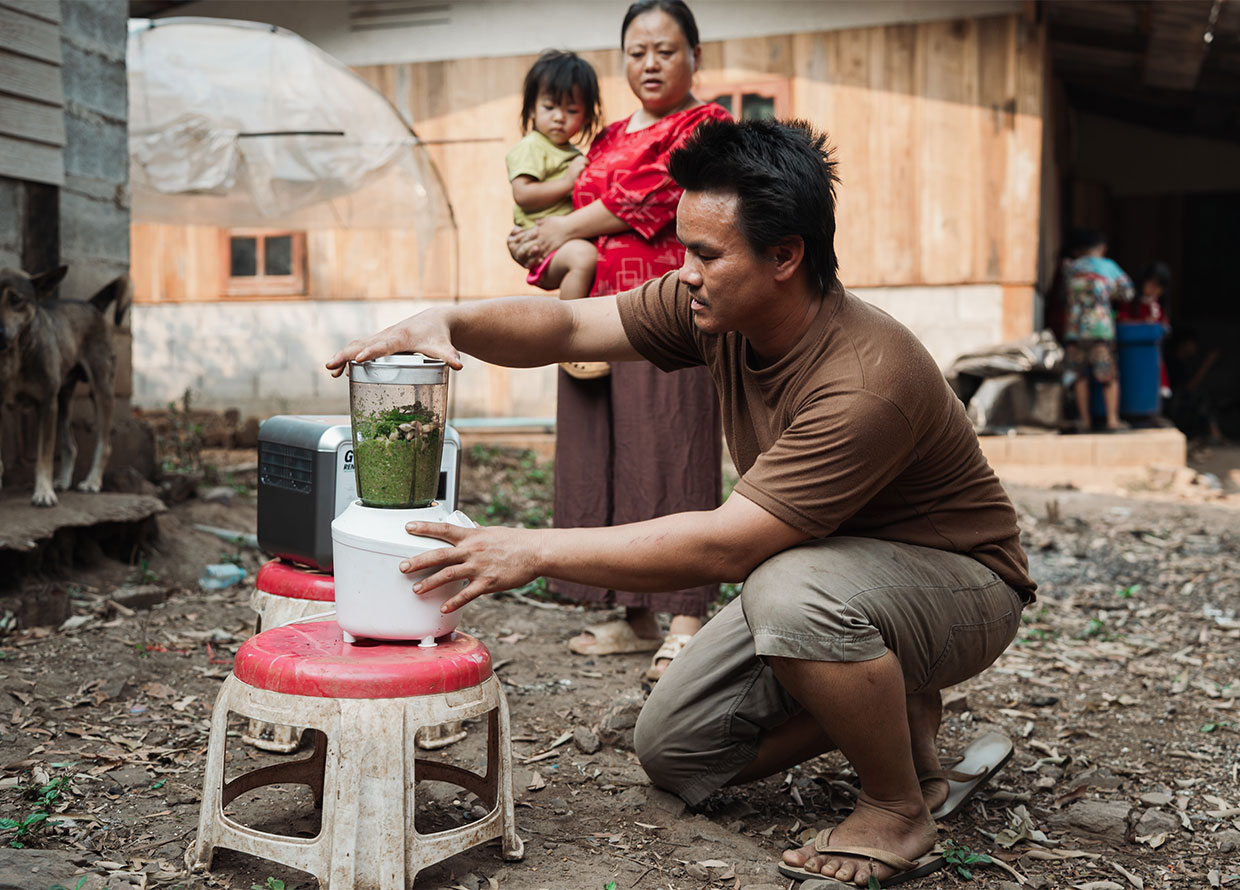
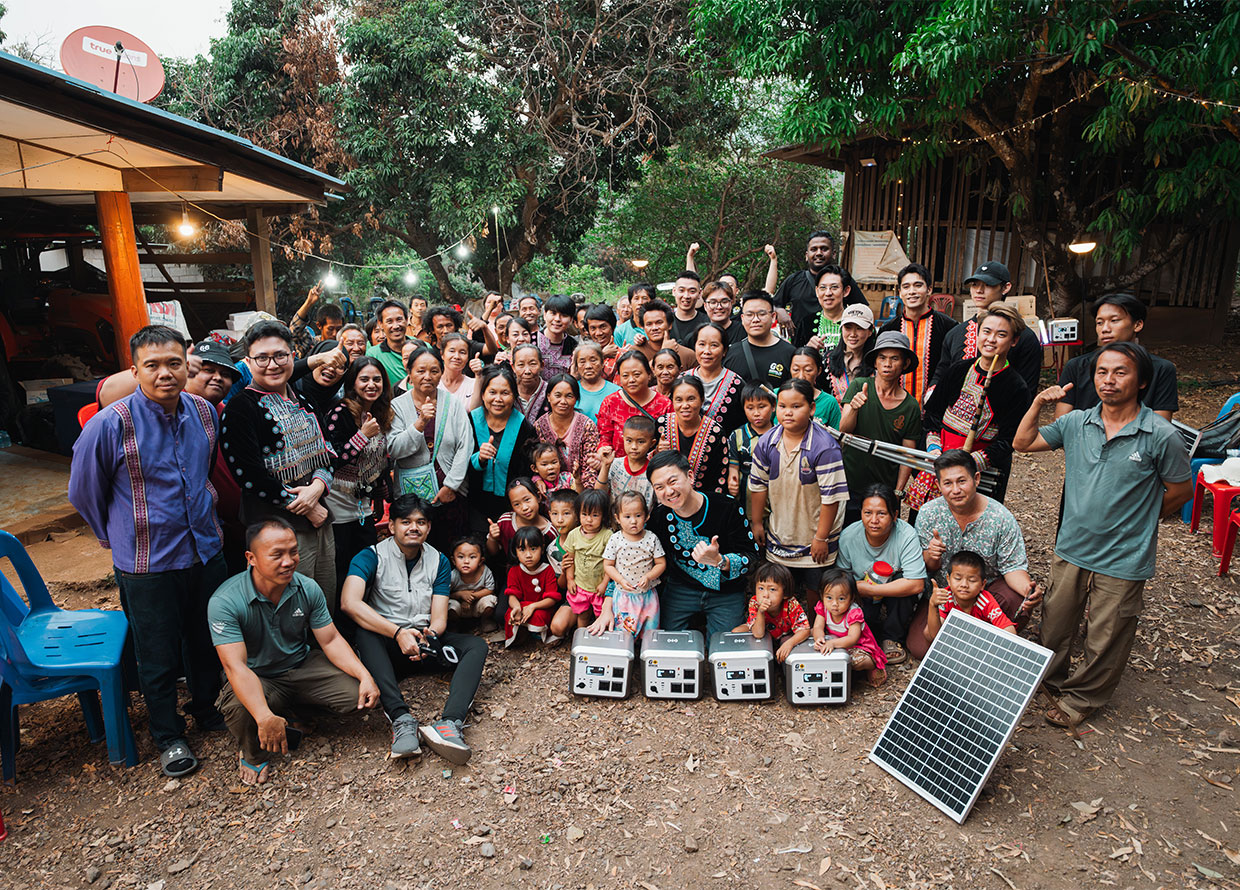
More than a temporary solution, GoRental Global estimates the system to deliver 127,020kWh of sustainable power across the village over the next decade. This hints at a breakthrough forecast: US$250,000 in fuel and maintenance costs associated with running diesel generators slashed and 360 tonnes of emissions averted. Above all, this practical off-grid system offers a glimmer of hope with respect to the preservation of Huay Nam Rin.
Signs of an improved quality of life were already peaking through during my short time at the remote settlement. As the day drew to a close, community members hosted an outdoor dinner affair, underneath strings of lights powered by the GoRental Nomad Series (960Wh). While exchanging stories amid tasty traditional delicacies, a quiet sense of possibility began to take root, hinting at a brighter future ahead. Literally.
For more culture reads, click here.
| SHARE THE STORY | |
| Explore More |