What To Do After You Pop a Pimple and Regret It
Zit down and listen…
From diaper rash cream to hydrocolloid patches, here’s how to skip the scarring on your prematurely popped spot.
Why are we so obsessed with popping our spots? Is it the rush of dopamine that hits as soon as the pus goes splat? Is it the calm before the storm as we sigh in relief, giddy until the realisation of what we’ve done sets in? Are we all just looking at ourselves in the mirror too much?
It always ends one way—a big, angry red blotch on your cheek, chin, or forehead that almost always looks worse than the original pimple ever could. It doesn’t matter how big the pus mountain was or how painful it felt. A popped spot always lands you in a panic spiral, wishing you had never touched it at all.
So, it’s clear to say that the best advice we can offer is to never pop your zits in the first place. Obviously, you’re here because it’s too late, but the advice still stands—popping your spots is a big no-no, unless it’s at the hands of a professional facial therapist or doctor.
But what is to be done if you do the unthinkable? Do you resign yourself to your fate and ready yourself for “I told you so”s? Do you kick, scream, and cry, flailing around as you mourn the state of your skin? No. You collect yourself, assess the situation, and follow our step-by-step guide to healing a botched popped spot:
Step 1: Make sure all the gunk is out of there
Look, you’ve already started—you may as well finish the job! The only thing you need to keep in mind is proper extraction technique. You’re not a professional, so drop the poorly-disinfected needle and the DIY comedone extractor and listen up.
With clean hands, you’ll want to gently extract any pus by using a light touch, pressing down and inwards on either side of your spot. Do not press directly on top of the spot—this will just drive the infection deeper. Instead, keep a minimum 3mm buffer around the very edge of the spot. In addition, don’t overdo it—if you see blood, you’ve gone too far.
Step 2: Stop the bleeding and cleanse the area
Like any wound—and yes, your popped spot qualifies as an open wound—you’ll want to first stop the bleeding as much as you can, and cleanse the area thoroughly before doing anything else. To stop the bleeding, a little light pressure with a clean slice of tissue paper or cotton wool will do the trick. Once all blood flow has ceased, go in with an antibacterial cleanser that doesn’t contain any harsh actives or exfoliants.
Step 3: Follow up with a skin-soothing, barrier-repairing routine
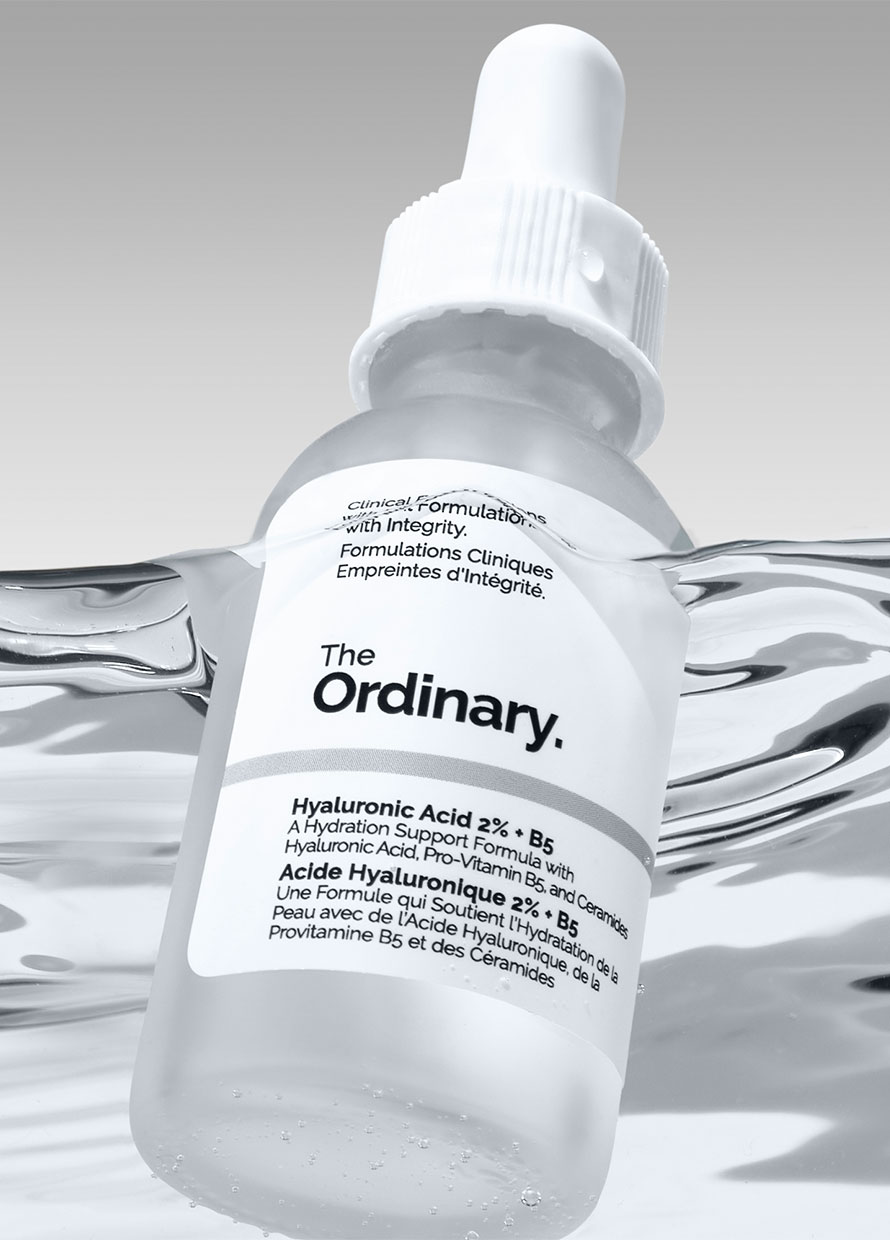
The damage is done—all you can do at this point is help the healing go forward. A soothing serum like KraveBeauty’s Great Barrier Relief (RM145) will do wonders to calm any inflammation, and topping it off with your favourite salicylic acid treatments (we like The Ordinary’s Salicylic Acid 2% Serum, RM40) will hopefully help to stave off any sequels. Then, follow up with an unfragranced moisturiser like the Kiehl’s Ultra Facial Meltdown Recovery Cream (RM155) to help your skin heal faster.
View this post on Instagram
Step 4: Protect the spot as it heals
The last thing you want for your now very delicate, scar-prone skin is a bunch of grit and grime getting in and wreaking more havoc than has already been inflicted. In this case, a hydrocolloid patch or pimple patch will do wonders. Simply apply it to clean skin, leave it on for a maximum of eight hours, and let it do its thing.
Alternatively, diaper rash cream or Sudocrem works wonders too, helping to create an occlusive layer that protects the wound while facilitating fast healing.
Step 5: Load up on SPF
If you want to stop a dark mark from forming where your spot once was, you had better double down on your sun protection. SPF30 is the bare minimum, and it needs to be reapplied every two to four hours. And, while you’re at it, steer clear of makeup as much as you can, at least around the immediate area.
Unfortunately, there’s no quick fix. Just stick with the routine religiously, avoid touching (or looking at) your face too much, and it’ll heal on its own. Should you encounter any scarring, fret not—we have a guide for that too.
For more skincare reads like this, click here.
| SHARE THE STORY | |
| Explore More |