Fashion Insider: April Ng of The WES Studio on Reframing Minimalism
The Art of Less
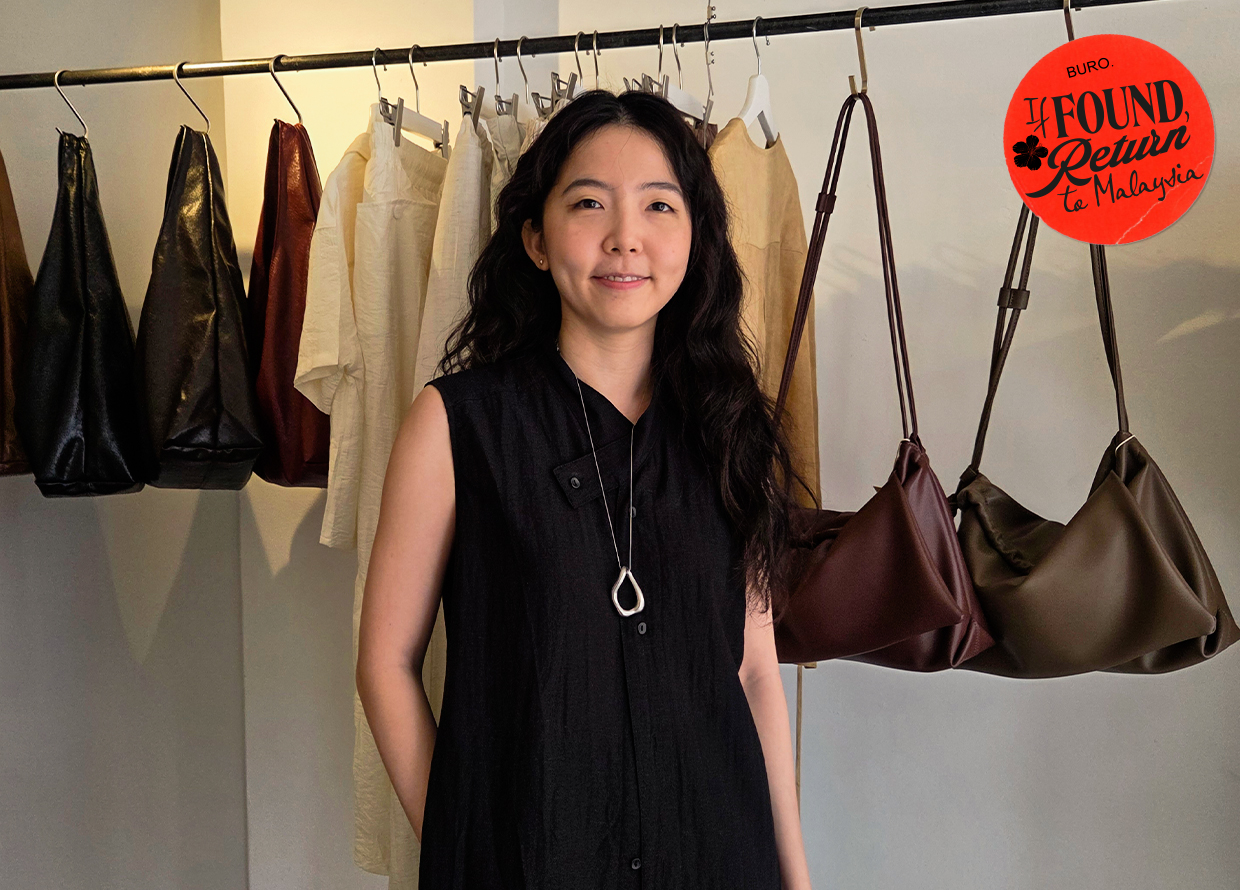

Minimalism is rarely just about simplicity. At its best, it is about intention, and there is a growing appetite for it within the local scene. A new generation of designers is shaping that narrative with greater clarity, and The WES Studio is one of the labels steadily carving out its place within it. Founded by April Ng, the brand carries a distinct identity, expressed through considered silhouettes, fluid shapes and understated attention to detail.
What began as an online venture nine years ago has since grown into something more tangible, culminating in the opening of its first physical store at REX KLUP in Chinatown last year. The move marks a new chapter, bringing The WES Studio closer to its community and reinforcing its place in the local landscape.
In this edition of Fashion Insider, we speak with April on building The WES Studio from the ground up, moving into brick-and-mortar retail, and what lies ahead for the brand.

What was your first memory of fashion?
I would say it was a high school fashion show I somehow ended up taking part in. I don’t remember why I signed up, but I remember committing to it completely. I wore florals at the time, which was so unlike me. Having grown up with three brothers, I was quite boyish, so that moment felt like stepping into a different version of myself.
How did you get started in fashion and what inspired you to launch your own label?
When I first started, I was curating pieces from other brands based on what I was personally drawn to. I have always been interested in minimal design, so that became the starting point. Over time, it became something I wanted to take more seriously, which led me to create my own brand. The label went through a few names in the early days—The Minimal, then We Enjoy Simplicity—before my partner and I reworked it into The WES Studio.
Who have been some of your role models or inspirations in fashion, and why?
I like Studio Doe from Taiwan and the way the founder shapes its creative direction, focusing on the feeling the brand leaves rather than just the clothes themselves. That’s something I really connect with. I am also drawn to Lemaire and JW Anderson for how clearly they define and curate their worlds.

What has been the most unexpected challenge of running a physical space?
The most unexpected challenge has been the constant need to keep things feeling new in the store. Even though we position ourselves as a minimalist brand, there is still an expectation for something fresh each time people return. So we have had to think carefully about how to maintain that sense of freshness, which is why the store is designed to be flexible so the interior can shift and evolve with each collection.
What led you to introduce a gender-neutral section, and what does the response to it look like in Malaysia right now?
It started quite personally—I wanted to share clothes with my partner. I have always shopped across the men’s section, and growing up with three brothers meant I was never particularly girly in my style. I also see strong potential here. For me, the gender-neutral section is about comfort and fluidity, and it has been great to see people explore both the men’s and women’s collections.
With simplicity and minimalism at the core, how do you keep each collection from feeling repetitive?
It really comes down to the message we want to express each season. While our work is rooted in minimalism, what matters more is the story we are telling. For instance, with the recent Lunar collection, we explored everyday pieces, using subtle details to reference Chinese culture rather than traditional wear. Ultimately, I want the brand to express a way of life, where people feel a sense of belonging and naturally connect with our values.

What’s missing from the local fashion landscape at the moment?
I think we are still lacking creative spaces—somewhere that brings together local brands, especially in the city centre. While there are already a few, I believe there is room for more that are easily accessible by public transport, allowing people to naturally discover and engage with local designers. In other countries, these spaces often feel like architectural destinations that bring communities together in a more intentional way, and that is something I think we can build towards here.
What is the biggest lesson that you have learned since you started your own label?
I have learned that it is okay to make changes. My definition of simplicity has evolved over the years as I have grown, and I have realised that this is part of the process. As long as it stays aligned with my beliefs, I am fine with things taking time.
What advice would you give someone who wants to start their own label?
It sounds cliché, but honestly, you just have to start. Fashion is subjective, and there is no single way it should look or feel. It is meant to be explored, and you only really learn by doing. If something does not work, you adjust and keep going.

What hopes do you have for the brand in the years to come?
I hope the brand continues to bring joy to people, and that I can create more spaces that carry that same feeling. It does not necessarily have to stay within fashion. I am open to exploring lifestyle ideas, or even a stay experience in the future.
What is your dream collaboration?
I would love to collaborate with brands that share the same ideology, and Aesop is the first that comes to mind. I think it would be interesting to build something more curated together, where the experience feels just as considered as the product.
What would you be if you were not a fashion designer?
I have always been interested in interior design, so I think I would have pursued that path instead.
For more fashion reads, click here.
| SHARE THE STORY | |
| Explore More |